
 English
  日本語
日本語  Français
  Español
  عربى
عربى  italiano

Industry News
 Mar 30, 2026
 Posted by Administrator
Chocolate Packaging Boxes: Complete Guide
Content
- 1 Why Chocolate Packaging Boxes Are a Critical Product Decision
- 2 Core Protection: Preserving Texture, Flavor, and Appearance
- 3 Scenario-Adaptive Packaging Formats for Every Channel
- 4 Gift-Ready Design: Turning Packaging Into an Experience
- 5 Regulatory Compliance and Labeling Requirements
- 6 Brand Elevation Through Premium Packaging Materials
Why Chocolate Packaging Boxes Are a Critical Product Decision
Chocolate is one of the most packaging-sensitive food products in the world. Its unique physical chemistry — a cocoa butter matrix that melts at temperatures just above room temperature, a porous surface that readily absorbs ambient moisture and foreign aromas, and volatile flavor compounds that oxidize rapidly on exposure to air — means that the wrong packaging can destroy months of careful sourcing, roasting, and tempering work within days of leaving the factory. Chocolate packaging boxes are not merely a branding vehicle; they are an active preservation system that must simultaneously manage moisture, oxygen, light, temperature, mechanical stress, and contamination risk throughout a supply chain that may span multiple countries and climate zones.
For chocolatiers, confectionery brands, and retail buyers alike, understanding the functional and commercial dimensions of chocolate packaging is essential to making decisions that protect product integrity, satisfy regulatory requirements, and differentiate on shelf. This guide covers the full spectrum — from barrier material science to gift box design — with the practical detail needed to specify packaging that performs at every stage of the product journey.
Core Protection: Preserving Texture, Flavor, and Appearance
The first and non-negotiable function of any chocolate packaging box is physical and chemical protection of the product inside. Three specific degradation pathways must be addressed in the packaging specification: moisture ingress, oxygen exposure, and light and heat penetration. Failure to control any one of these pathways leads to visible and organoleptic quality defects that are immediately apparent to the consumer.
Moisture and Temperature Control
Moisture is the primary enemy of chocolate surface quality. When relative humidity exceeds approximately 75% or when chocolate experiences temperature cycling that causes condensation on its surface, dissolved sugars migrate to the exterior and recrystallize as a dull white film — a defect known as sugar bloom. Separately, if cocoa butter re-solidifies unevenly after partial melting, fat bloom produces a greasy, streaked surface that consumers associate with spoilage even when the chocolate remains safe to eat. High-barrier materials such as aluminum-laminated films and hermetically sealed tin cans prevent humidity uptake by reducing the water vapor transmission rate (WVTR) of the package wall to near zero. For paperboard-based chocolate packaging boxes, inner liners of metallized polyester or wax-coated kraft provide a secondary moisture barrier that compensates for the inherent breathability of paper fiber.
Oxygen Barrier for Aroma Retention
The volatile aromatic compounds responsible for fine chocolate's complexity — pyrazines, aldehydes, and esters developed during the roasting and conching process — are highly susceptible to oxidation. Multi-layer film constructions that incorporate an ethylene vinyl alcohol (EVOH) or aluminum foil layer as the oxygen barrier significantly reduce the oxygen transmission rate (OTR) of the package, extending flavor shelf life by weeks to months compared to single-layer alternatives. Vacuum sealing or modified atmosphere packaging (MAP) with nitrogen flush can further reduce residual oxygen inside chocolate packaging boxes to below 0.5%, effectively halting oxidative rancidity of the cocoa butter and preserving the full aromatic profile until the moment of opening.
Light, Heat, and Mechanical Protection
UV radiation accelerates both lipid oxidation and color fading in chocolate coatings and decorations. Opaque or dark-colored packaging — matte black paperboard, charcoal-toned rigid boxes, or metal tins — blocks light transmission entirely, while optional thermal liners made from insulating foam or reflective foil laminate reduce heat transfer to the chocolate surface during transit through warm climates or unrefrigerated retail environments. Rigid outer chocolate packaging boxes with fitted inserts or thermoformed trays prevent crushing and shifting during distribution, ensuring that individually molded pralines, enrobed truffles, and decorated bars arrive at their destination in the same pristine condition they left the production facility.
Scenario-Adaptive Packaging Formats for Every Channel
A single chocolate packaging format rarely serves all commercial contexts optimally. The packaging requirements for a supermarket impulse bar, a Valentine's Day gift assortment, and a corporate hospitality hamper are sufficiently different that brands managing multiple SKUs must think carefully about format selection for each channel and occasion.
| Scenario | Recommended Format | Key Features |
| Retail shelf / impulse | Flow-wrapped bar or windowed folding carton | High shelf impact, compact footprint, price-point visible |
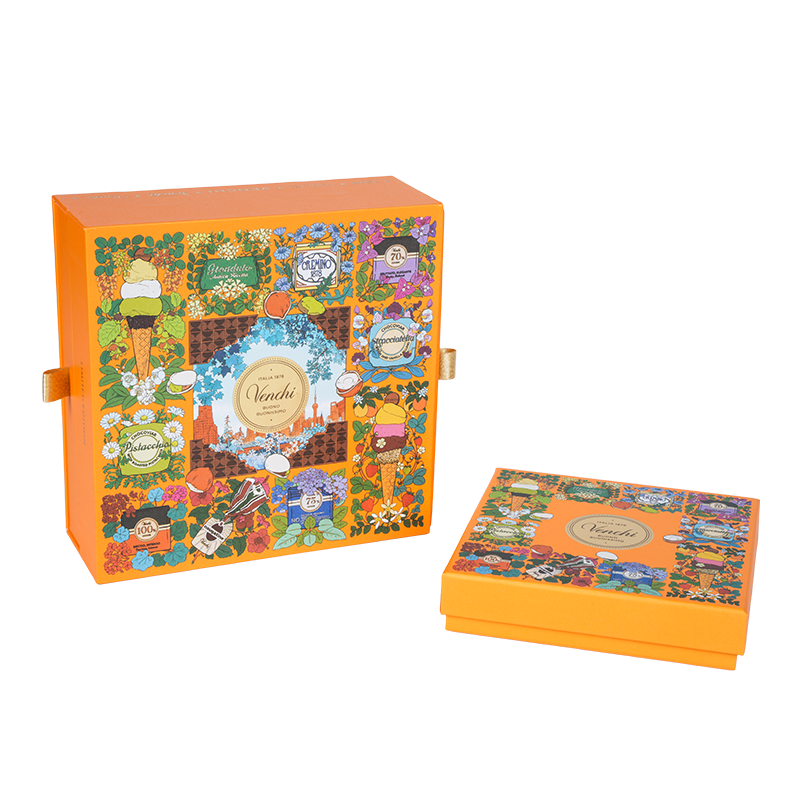
| Gifting (Valentine's, holidays) | Rigid lift-off lid box with compartmented tray | Foil stamping, ribbon, embossing, luxury unboxing |
| On-the-go / travel | Pocket-sized bar or mini box with resealable closure | Portion control, portability, reclosable after opening |
| Home storage / sharing | Resealable tin can or zipper pouch with inner foil wrap | Freshness retention, multi-use, family or sharing size |
| Corporate gifting / B2B | Large branded rigid box or wooden presentation chest | Custom logo, premium materials, curated assortment |
Single-portion foil-wrapped pieces address the freshness and hygiene requirements of open-display retail environments, where individual chocolates are handled repeatedly before purchase. Resealable tins and zipper pouches solve the specific challenge of maintaining quality after the primary seal is broken — a scenario that standard folding cartons handle poorly because they offer no reclosure mechanism once opened.
Gift-Ready Design: Turning Packaging Into an Experience
For premium and artisanal chocolate brands, the gift box is not incidental to the product — it is part of the product. Consumers purchasing chocolate for Valentine's Day, birthdays, anniversaries, or holiday occasions are paying as much for the presentation and emotional resonance of the gift as for the confectionery itself. Luxury chocolate packaging boxes must therefore deliver a multi-sensory unboxing experience that communicates quality, care, and exclusivity before the first piece of chocolate is tasted.
The most effective premium packaging formats combine several design and material elements that work together to create this experience:
- Foil stamping and embossing: Hot foil stamping in gold, silver, rose gold, or holographic finishes applied to brand logos and decorative motifs creates a tactile and visual luxury cue that is immediately legible to the consumer as a premium signal.
- Ribbon and magnetic closures: Satin ribbon pulls and magnetic lid closures slow the opening ritual and heighten anticipation — a deliberate design choice that reinforces the gifting occasion and the perceived value of the contents.
- Compartmentalized insert trays: Thermoformed or die-cut paper pulp trays with individual cavities for each chocolate prevent movement, protect decoration, and allow the full assortment to be displayed perfectly on opening — creating the "jewelry box" reveal effect that photographs well for social media sharing.
- Custom color palettes: Black-and-gold colorways communicate luxury and sophistication; pastel tones in blush pink, lavender, and mint signal romance and femininity for Valentine's and Mother's Day gifting; deep jewel tones — burgundy, emerald, navy — position the product as a sophisticated adult indulgence suitable for corporate gifting.
Regulatory Compliance and Labeling Requirements
Chocolate packaging boxes must accommodate mandatory food labeling information without compromising aesthetic design. Global food safety frameworks — including EU Regulation 1169/2011, FDA 21 CFR, and equivalent national standards across major export markets — require that the following information appear legibly on the primary packaging or an attached label:
- Cocoa percentage and full ingredient list in descending order by weight
- Allergen declarations, with particular attention to nuts, dairy (milk solids, milk fat), gluten, and soy — all common inclusions in chocolate production environments
- Net weight, production date, and best-before date in the format required by the destination market
- Country of origin, manufacturer name and address, and relevant certification marks (organic, Fair Trade, Rainforest Alliance) where applicable
Designing compliant chocolate packaging boxes requires close coordination between the brand's graphic design team, regulatory affairs advisors, and the packaging supplier to ensure that mandatory text areas are allocated sufficient space without disrupting the premium visual hierarchy of the pack. Digital printing technology now makes it straightforward to produce region-specific label variants from a single structural packaging component, reducing tooling costs for brands selling across multiple regulatory jurisdictions.
Brand Elevation Through Premium Packaging Materials
Beyond protection and compliance, chocolate packaging boxes are one of the most powerful brand-building assets available to a confectionery company. The structural format, surface material, print quality, and finishing technique of the outer packaging collectively communicate brand positioning before the consumer reads a single word of copy. Rigid boxes constructed from 2mm greyboard with soft-touch laminated paper wraps, metallic paperboard, or genuine wood veneer justify premium retail pricing by signaling craft, quality, and artisanal provenance at the point of sale.
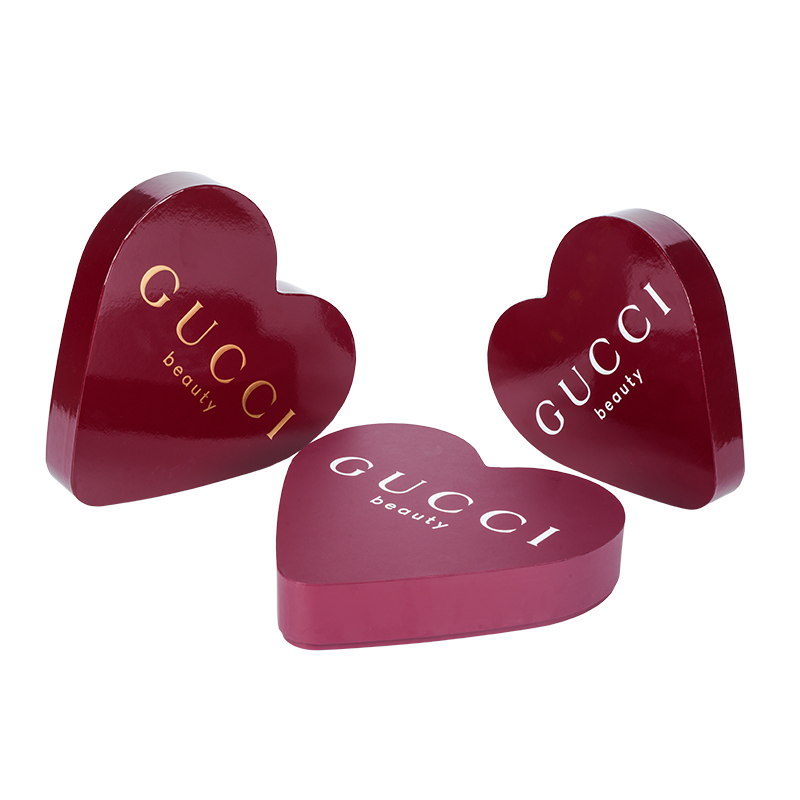
Custom structural shapes — hexagonal boxes for honey-flavored collections, heart-shaped formats for Valentine's ranges, or architectural tower boxes for advent calendar assortments — create distinctive shelf presence that separates artisanal and fine chocolate lines from commodity confectionery in a crowded retail environment. Consistent application of signature design elements — a proprietary Pantone color, a distinctive brand mark, a characteristic ribbon color — across all SKUs builds the visual recognition and brand recall that underpins long-term consumer loyalty and repeat purchase behavior. In the competitive premium chocolate category, where the functional differences between products are often imperceptible to most consumers, the packaging box is frequently the deciding factor in the purchase decision.
Product Categories
Mainly engaged in various types of packaging boxes made of different materials and various paper products.


-
Email
[email protected]Phone Number
+86-15300896380 -
Address
No. 58 Hongmudan Road, Songjiang District, Shanghai, China -
Quick Links
Home About Us Service Industries News Contact -
Products
Food Packaging Cosmetic Packaging Gift Wrapping Apparel Packaging Home Textile Packaging Other Packaging Paper Packaging Boxes -
feel free to contact us

