
 English
  日本語
日本語  Français
  Español
  عربى
عربى  italiano

Industry News
 Jan 05, 2026
 Posted by Administrator
Are Foldable Home Textile Packaging Boxes the Future of Space-Saving Logistics?
Content
- 1 Why Space Efficiency Has Become a Core Issue in Home Textile Packaging
- 2 How Foldable Structures Work in Practical Logistics Scenarios
- 3 Structural Strength vs. Foldability: Finding the Right Balance
- 4 Impact on Warehousing and Inventory Management
- 5 Cost Considerations Beyond Material Savings
- 6 Compatibility with Branding and Retail Presentation
- 7 Sustainability and Environmental Implications
- 8 When Foldable Packaging May Not Be the Best Choice
- 9 Are Foldable Home Textile Packaging Boxes the Future?
Why Space Efficiency Has Become a Core Issue in Home Textile Packaging
In the home textile industry, logistics efficiency has moved from a secondary consideration to a core operational concern. Products such as bedding sets, quilts, curtains, and blankets are inherently bulky, even after compression. Traditional rigid packaging boxes consume significant storage and transportation space before they are filled, leading to higher warehousing costs and inefficient container utilization. As global supply chains become more cost-sensitive, brands are re-evaluating whether conventional packaging structures still make sense.
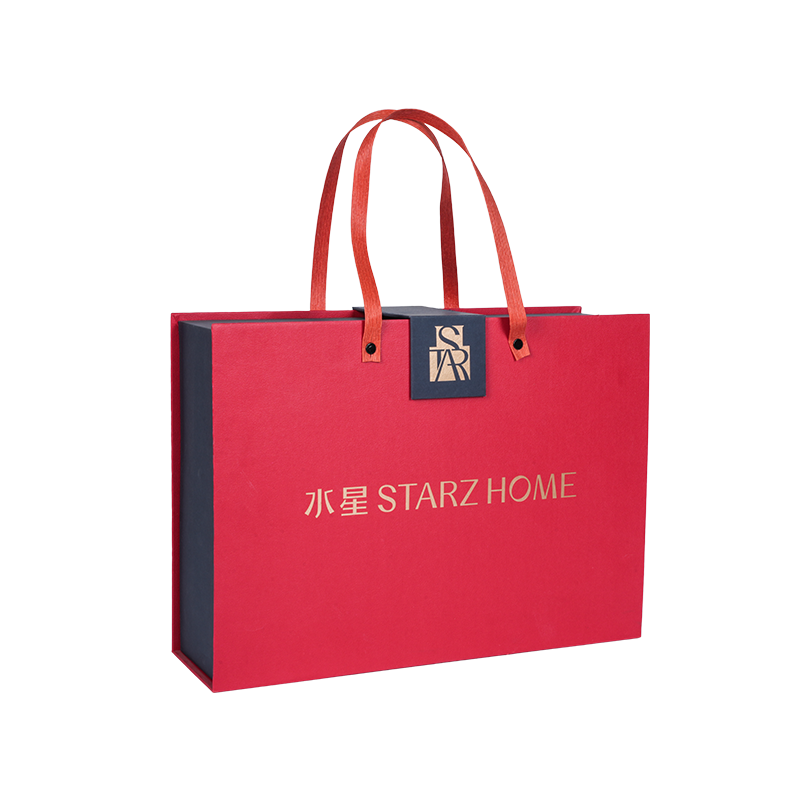
Foldable home textile packaging boxes address this challenge at its root by reducing empty-volume waste. When shipped flat, these boxes dramatically lower storage requirements at factories, distribution centers, and brand warehouses. From a manufacturing perspective, we have seen growing demand for packaging solutions that reduce logistics pressure without compromising product protection or brand presentation.
How Foldable Structures Work in Practical Logistics Scenarios
Foldable home textile packaging boxes are designed with pre-creased panels, reinforced folding lines, and locking mechanisms that allow them to collapse flat and quickly regain structural integrity during assembly. Unlike simple collapsible cartons, high-quality foldable boxes rely on precise die-cutting and controlled material memory to ensure consistent performance over repeated folding cycles.
In real logistics operations, this translates into tangible gains. Flat-packed boxes can be palletized more densely, allowing a single shipment to carry several times more packaging units compared to rigid alternatives. For export-oriented home textile brands, this efficiency often results in lower per-unit transportation costs and more predictable inventory planning.
Structural Strength vs. Foldability: Finding the Right Balance
One common concern about foldable home textile packaging boxes is whether they can provide sufficient strength for heavy or bulky products. In practice, strength is less about thickness and more about structural logic. Reinforced corners, double-layer side panels, and load-bearing bases allow foldable boxes to perform comparably to rigid boxes once assembled.
Advanced production equipment plays a critical role here. Automatic die-cutting and box-making machines ensure tight tolerances, while precise gluing and paper mounting improve joint stability. In our own production lines, we often optimize folding structures so that vertical pressure is transferred through reinforced edges rather than flat surfaces, improving stacking performance during storage and transit.
Key Structural Elements That Enhance Strength
- Double-wall side panels to resist lateral compression
- Reinforced folding corners to prevent collapse under load
- Interlocking bases that distribute weight evenly
Impact on Warehousing and Inventory Management
Warehousing efficiency is one of the strongest arguments in favor of foldable home textile packaging boxes. Flat-packed packaging dramatically reduces the footprint required for packaging inventory, freeing up valuable warehouse space for finished goods. This is especially relevant for brands managing multiple product lines or seasonal collections.
From an operational standpoint, reduced packaging volume simplifies inventory handling and lowers the risk of damage during internal transport. In large-scale production environments, such as ours, this also improves workflow efficiency by minimizing material movement and storage bottlenecks across different production stages.
Cost Considerations Beyond Material Savings
While material usage is often discussed, the true cost advantage of foldable home textile packaging boxes lies in system-level savings. Lower transportation costs, reduced storage fees, and faster packaging line setup all contribute to improved overall efficiency. These benefits often outweigh the slightly higher design and tooling costs associated with more complex folding structures.
For OEM clients with large and recurring orders, foldable designs also support better production planning. Automation-compatible structures reduce manual labor requirements and error rates, which is critical when meeting tight delivery schedules across international markets.
Compatibility with Branding and Retail Presentation
A frequent misconception is that foldable home textile packaging boxes limit branding possibilities. In reality, modern foldable boxes support a wide range of surface treatments, including high-quality printing, hot stamping, lamination, and embossing. Once assembled, they maintain clean edges and flat surfaces suitable for premium presentation.
From a consumer perspective, the unboxing experience remains largely unchanged. For brands, this means they can achieve space-saving logistics without sacrificing shelf appeal. In some cases, foldable designs even enhance perceived value by combining practicality with thoughtful engineering.
Sustainability and Environmental Implications
Sustainability considerations further strengthen the case for foldable home textile packaging boxes. Reduced transportation volume directly lowers carbon emissions across the supply chain. In addition, many foldable designs use optimized material layouts that minimize waste during die-cutting.
When combined with recyclable paperboard, water-based adhesives, and controlled production processes, foldable packaging aligns well with the environmental goals of international home textile brands. In our ISO9001-managed production environment, process stability also helps reduce defect-related waste, contributing to more responsible manufacturing.
When Foldable Packaging May Not Be the Best Choice
Despite their advantages, foldable home textile packaging boxes are not a universal solution. Extremely heavy products or packaging requiring permanent rigid display structures may still benefit from traditional rigid boxes. In addition, brands with highly customized inner fittings may need to carefully evaluate foldable compatibility during early design stages.
The most successful applications are those where packaging design, product characteristics, and logistics strategy are aligned from the outset. This is why collaborative development between brands and experienced manufacturers remains essential.
Are Foldable Home Textile Packaging Boxes the Future?
Looking at current logistics trends, foldable home textile packaging boxes are not just a temporary solution but a strategic response to evolving global supply chains. Their ability to reduce space consumption, improve efficiency, and support sustainability makes them increasingly attractive for international markets.
While they may not fully replace all rigid packaging formats, foldable boxes are clearly becoming a mainstream option for brands focused on long-term cost control and operational flexibility. From our manufacturing perspective, continued investment in automated equipment and structural innovation will further expand their potential in the home textile packaging sector.
Product Categories
Mainly engaged in various types of packaging boxes made of different materials and various paper products.



-
Email
[email protected]Phone Number
+86-15300896380 -
Address
No. 58 Hongmudan Road, Songjiang District, Shanghai, China -
Quick Links
Home About Us Service Industries News Contact -
Products
Food Packaging Cosmetic Packaging Gift Wrapping Apparel Packaging Home Textile Packaging Other Packaging Paper Packaging Boxes -
feel free to contact us

