
 English
  日本語
日本語  Français
  Español
  عربى
عربى  italiano

Industry News
 Jan 05, 2026
 Posted by Administrator
The Psychology of Candy Packaging: Colors, Shapes, and Consumer Appeal
Content
- 1 Understanding the Psychology Behind Candy Packaging
- 2 The Role of Color in Consumer Perception
- 3 The Impact of Shape and Structure on Appeal
- 4 Material and Texture Influence on Perceived Value
- 5 The Influence of Candy Packaging on Consumer Behavior
- 6 Conclusion: Designing Candy Packaging with Psychology in Mind
Understanding the Psychology Behind Candy Packaging
Candy packaging is more than just a protective container—it is a powerful marketing tool that influences consumer perception and buying behavior. The design elements of candy packaging, including colors, shapes, and materials, can trigger emotional responses, enhance perceived value, and encourage impulse purchases. Understanding the psychological impact of packaging allows brands to create products that are not only visually appealing but also emotionally engaging, turning simple treats into memorable experiences.
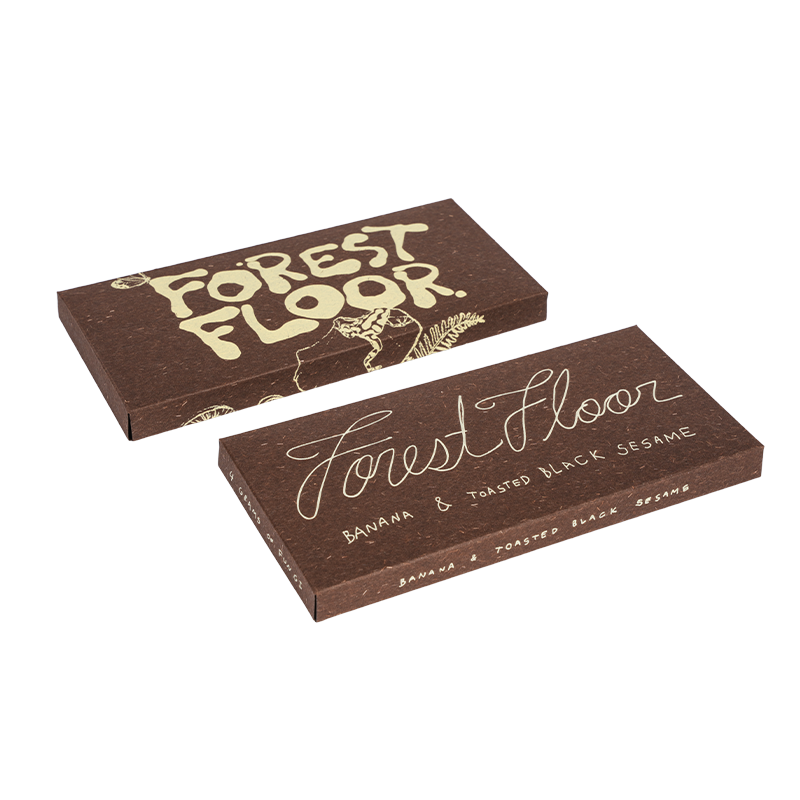
The Role of Color in Consumer Perception
Colors play a critical role in candy packaging by conveying emotions, signaling flavor, and attracting attention. Bright, vibrant colors often evoke feelings of excitement and joy, making the product more enticing. Pastel tones can suggest sweetness and delicacy, while dark or metallic hues communicate premium quality. Color choices also influence brand recognition and can be strategically aligned with holidays or cultural expectations to increase relevance.
Color Psychology in Candy Packaging
- Red: Stimulates appetite and conveys energy, making it popular for chocolate and festive candies
- Yellow: Represents happiness and warmth, often used for fruity or citrus-flavored candies
- Green: Suggests freshness and natural ingredients, commonly used for mint or herbal confections
- Blue: Evokes trust and calmness, effective for premium or specialty chocolates
- Metallic Gold/Silver: Signals luxury and exclusivity, often used in holiday or limited-edition packaging
The Impact of Shape and Structure on Appeal
The shape and structure of candy packaging influence consumer perception of quality and functionality. Unique shapes attract attention on crowded shelves, encourage sharing, and enhance the unboxing experience. Functional features, such as easy-open boxes, resealable pouches, or compartments for individual candies, improve usability and satisfaction. The tactile experience of holding and interacting with the package also strengthens emotional engagement and brand recall.
Shape Strategies for Candy Packaging
- Rectangular or square boxes: Ideal for gifting, stacking, and retail display efficiency
- Cylindrical tubes or tins: Create premium appeal and collectible value
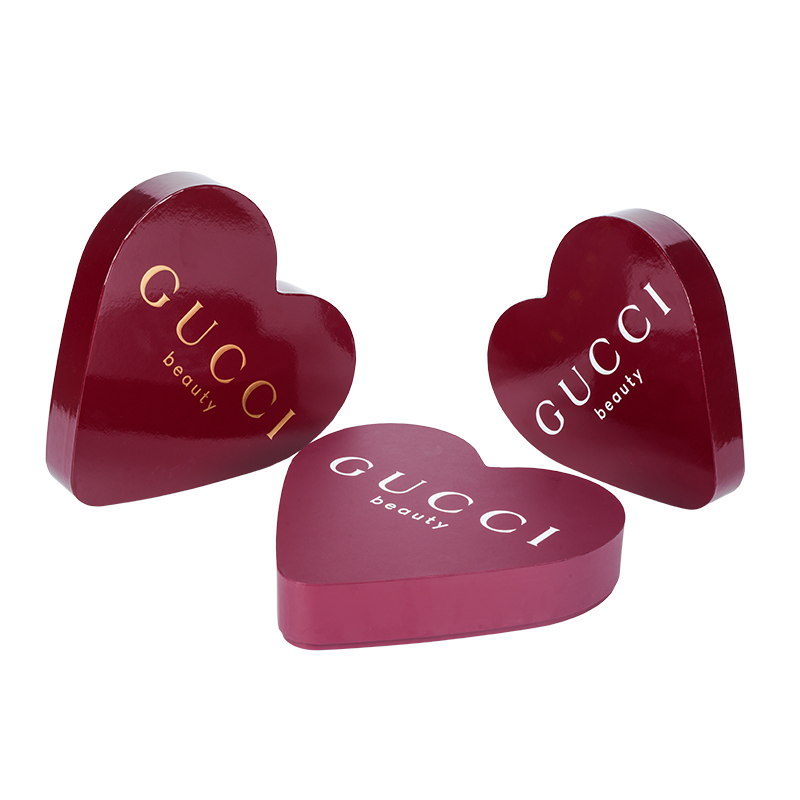
- Novelty shapes: Heart-shaped, star-shaped, or seasonal designs capture attention and enhance sharing
- Compartmentalized designs: Organize different flavors or chocolates while adding functional convenience
Material and Texture Influence on Perceived Value
The choice of materials and surface textures affects how consumers perceive the quality and luxury of candy products. High-quality cardboard, metallic finishes, glossy lamination, or embossed patterns communicate premium positioning. Soft-touch coatings or velvet-like textures enhance the tactile experience, creating a stronger emotional connection with the product. Packaging materials also signal environmental responsibility when recyclable or sustainable, which can influence purchase decisions among eco-conscious consumers.
Comparing Material Impacts on Consumer Perception
| Material | Perceived Quality | Consumer Appeal |
| Cardboard | Moderate | Functional, versatile, and customizable |
| Metal Tin | High | Premium, collectible, reusable |
| Plastic Tubes/Pouches | Medium | Colorful, functional, convenient for multiple servings |
| Embossed/Glossy Laminate | High | Visually appealing, luxurious tactile experience |
The Influence of Candy Packaging on Consumer Behavior
Effective candy packaging guides consumer choices by appealing to both emotion and rationality. Eye-catching visuals, interactive features, and premium materials increase attention and perceived value. Packaging that communicates freshness, portion control, and usability encourages purchase decisions and repeat consumption. Seasonal or limited-edition designs create urgency and drive impulse buying, while high-quality presentation strengthens brand loyalty and encourages sharing on social media.
Key Behavioral Impacts
- Impulse purchases: Attractive colors and unique shapes trigger immediate buying decisions
- Perceived quality: Premium materials and finishing increase willingness to pay
- Brand loyalty: Consistent, high-quality packaging builds long-term consumer trust
- Social sharing: Decorative or novelty designs encourage gifting and online sharing
Conclusion: Designing Candy Packaging with Psychology in Mind
Understanding the psychology of candy packaging allows brands to create products that are visually appealing, emotionally engaging, and commercially effective. By carefully selecting colors, shapes, materials, and interactive elements, brands can influence consumer perception, drive purchases, and enhance brand loyalty. Thoughtful design transforms ordinary candy into a memorable experience, turning each product into a compelling combination of taste, aesthetics, and emotional satisfaction.
Product Categories
Mainly engaged in various types of packaging boxes made of different materials and various paper products.


-
Email
[email protected]Phone Number
+86-15300896380 -
Address
No. 58 Hongmudan Road, Songjiang District, Shanghai, China -
Quick Links
Home About Us Service Industries News Contact -
Products
Food Packaging Cosmetic Packaging Gift Wrapping Apparel Packaging Home Textile Packaging Other Packaging Paper Packaging Boxes -
feel free to contact us

