
 English
 日本語
 Français
 Español
 عربى
 italiano


Industry News
 Nov 02, 2026
 Posted by Administrator
Doybag Guide: Stand-Up Pouch Film Structures, Costs and Sourcing Checks
The first warning is usually a pallet of pouches that will not stand up. The film was approved, the print matched, the fill weight was correct — but the bottom gusset sits a millimetre off centre, and forty thousand units now lean like dominoes on the shelf. A doybag is simple in principle and unforgiving in production, which is why the specification conversation matters far more than the artwork.
The short answer: a doybag — also written doypack or stand-up pouch — is a three-seal flexible pouch with a W-shaped bottom gusset that unfolds into a flat base, letting the pack stand on a shelf. Its performance rests on four variables: film stiffness, gusset geometry, seal window and barrier layer. Its economics beat rigid packaging mainly because it ships flat and uses roughly 60–80% less material weight per unit of product.
That flat-shipping advantage is the whole business case. A container of empty stand-up pouches holds several times the pack count of the same volume of jars or tins, so freight, warehousing and pallet cube all improve before a single unit is filled. The catch is that the same thin film that saves the freight is also the part that fails first when the filler, the seal jaws and the film specification are not aligned.
Content
How a Doybag Is Built
The format was commercialised in the early 1960s and the word "doypack" was coined as a trademark by a French machinery builder; "doybag" became the generic shorthand used by buyers and converters across Asia. Every version follows the same logic: a tube of laminate is sealed at the back, closed at the top and folded into a gusset at the bottom, then sealed with a curved or straight bar so the base opens into an oval footprint.
Four elements that decide whether it stands
- Bottom gusset depth. A useful working range is 25–35% of pouch width. Go shallower and the pouch tips forward once it passes about 80% of nominal fill.
- Base seal pattern. Standard doy seals suit 100–500 g fills; K-seals add a folded centre strip that holds shape above 1 kg or in wide-format packs.
- Zipper position. Keep the zipper at least 15 mm below the top seal so the filling nozzles and the customer's hands both have clearance.
- Film stiffness. Standing power comes from the outer layer. A 12 µm polyester outer carries a 120 µm build; drop to 10 µm and the shoulders soften after filling.
- Headspace discipline. Fill to no more than 85% of nominal volume, or the gusset blooms and the pouch rocks instead of standing.
PET/AL/PE
Foil core. Best barrier, longest shelf life, the standard for ground coffee, nuts and powdered drinks. Not recyclable in most kerbside streams.
PET/VMPET/PE
Metallised mid-barrier. Lower cost, good gloss, fine for candy, biscuits and dried fruit where shelf life runs under nine months.
Mono-PE or MDO-PE
Recyclable single-material build. Narrower seal window, softer shoulders, needs line tuning and a stiffness booster in the outer layer.
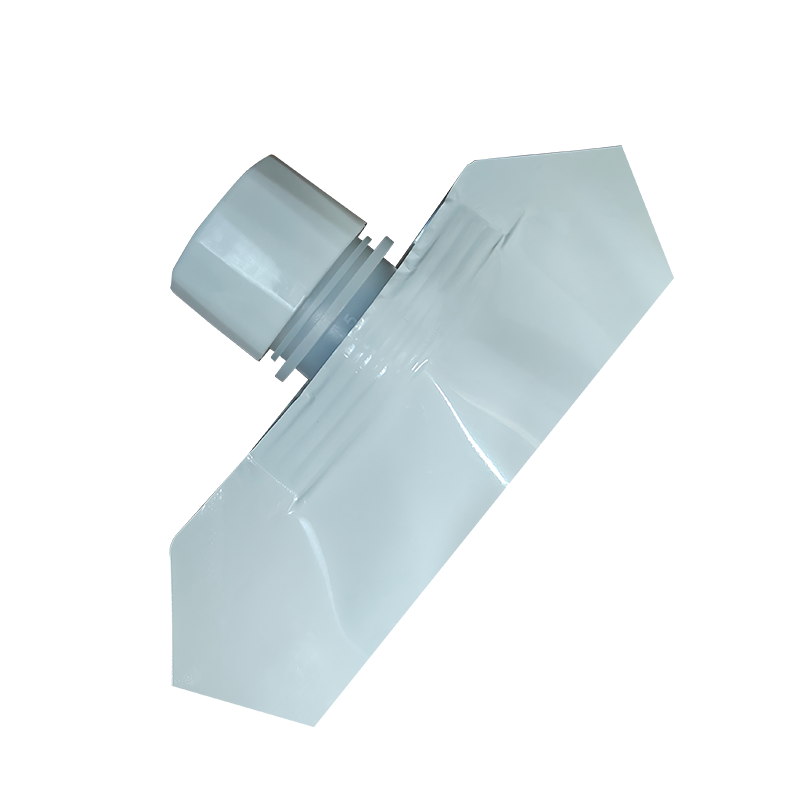 Solo Swirl-Top Stand-Up Packaging PouchWhite translucent stand-up pouch with integrated spiral closure and basic barrier, suited to dry goods, coffee, tea and small-to-medium batch filling.View Product →
Specification Comparison: Matching Film Build to Shelf Life
Most sourcing disputes start with a barrier number that was never tested on the actual filling line. The table below shows how the common builds sit against each other for a 500 g to 1 kg fill.
Hidden Metrics: Where Doybags Quietly Lose Money
Film data sheets do not show where money leaks. In line audits of stand-up pouch filling, rejects cluster into a small number of causes that are almost always process-related rather than material-related.
On a 500,000-unit run, a 3% reject rate is 15,000 pouches — plus the product inside them and the labour to clear the line. Gusset cracking alone typically traces back to a former plate that is out of alignment by half a millimetre, or to a film that was slit too narrow for the pouch width. Neither shows up in a sample approval.
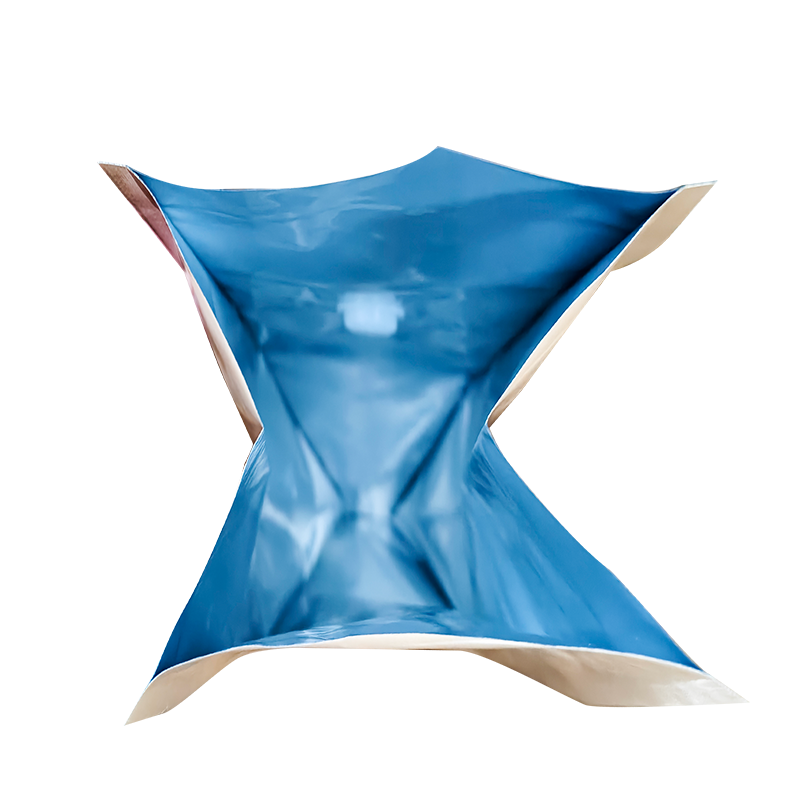 Vent-Valve Coffee Bag with Easy-Tear OpeningHigh-barrier back-seal coffee pouch with one-way valve option and tear notch, supporting retail branding and automated filling for roasted beans or ground coffee.View Product →
Where Doybags Win by Industry
Demand is concentrated where shelf presence and barrier work together — dry food, pet food, coffee and home care. The split below reflects how buyers typically allocate stand-up pouch volumes across categories.
Pet food is the fastest-growing slice because the pouch handles 1–3 kg fills with a K-seal, offers resealability for multi-day feeding, and reduces the rigid tub weight that consumers notice at the door. Coffee leans on degassing valves; personal care leans on flat-bottom hygiene bottles only where the pouch can sit on a wet bathroom shelf without wicking.
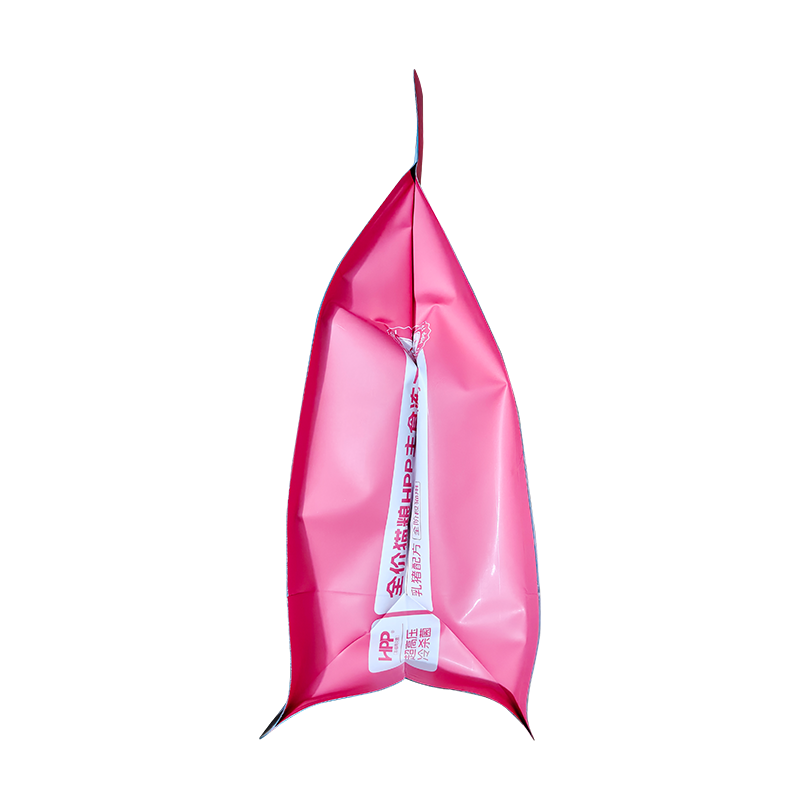 High-Barrier Pet Food Packaging PouchMulti-layer pet food pouch with high-barrier laminates, tear notch and optional reseal, suited to printed retail packs and automated filling for dry pet food.View Product →
Sourcing Workflow: Five Steps From Brief to Pilot Run
A doybag project goes wrong in the brief far more often than in the factory. Work through these steps in order and most of the risk disappears before tooling is cut.
Step 1: Fix fill weight and headspace
State net weight, bulk density and target headspace. These three numbers set pouch width, gusset depth and the seal pattern before anything else is discussed.
Step 2: Set the shelf-life target
Twelve months in a humid market is a different film from six months in a temperate one. Write the target down; do not let the converter guess it.
Step 3: Choose closure and fitment
Zipper, slider, spout, valve or plain tear notch. Each adds cost and each consumes vertical space that the fill nozzles need to clear.
Step 4: Run a real pilot
Two to three thousand pouches on your own filling line, at production speed, not a hand-sealed sample on a desk. Log rejects by cause.
Step 5: Validate transit and shelf
ISTA 3A drop and vibration, then a three-month accelerated or real-time shelf test in the actual carton and pallet configuration.
On ROI, the numbers are consistent across categories. Replacing a 400 g rigid jar with a doybag typically cuts pack material weight by half or more, removes the label and liner components, and improves pallet cube for the empty packs by a factor of five to eight. The trade-off is that filling speeds for pre-made pouches run lower than jar lines, so annual volumes under roughly 50,000 units rarely justify the change. Our stand-up pouch selection guide covers film and fill-type combinations in more depth.
Maintenance, Compliance and Supplier Checks
The last six months before a launch are usually spent on documentation, not design. Build these into the purchase order so they are not negotiated after the first shipment.
- Food-contact documentation. Written declaration of compliance, migration test data and a full material breakdown for every layer, including adhesives and ink.
- Seal verification. Burst and creep testing per batch, plus dye penetration on the gusset corners where cracks originate.
- Residual solvent. Gravure-printed film should be checked for solvent retention before lamination; the number is rarely volunteered.
- Line maintenance rhythm. Clean seal jaws every shift, replace PTFE tape on a fixed interval rather than on failure, and check former plate alignment monthly.
- Storage discipline. Keep rolls at 15–25°C and below 60% relative humidity, and observe stacking limits — film creeps under load and standing performance drops before any visible defect appears.
- Recycling claims. Mono-material structures are the practical route, but only make the claim once the certification and the collection reality in the destination market line up.
A doybag is one of the few packaging formats where a millimetre of gusset and a two-degree seal temperature decide whether the product looks premium or collapses on the shelf. Get the fill weight, film stiffness and seal window aligned at the brief stage and the format pays back in freight, material and shelf impact. If you are weighing a stand-up pouch against a rigid pack, send your fill weight, shelf-life target and destination market to our packaging team through the contact page and we will come back with a structure recommendation and an indicative cost per thousand.
Product Categories
Mainly engaged in various types of packaging boxes made of different materials and various paper products.


-
Email
[email protected]Phone Number
+86-15300896380 -
Address
No. 58 Hongmudan Road, Songjiang District, Shanghai, China -
Quick Links
Home About Us Service Industries News Contact -
Products
Food Packaging Cosmetic Packaging Gift Wrapping Apparel Packaging Home Textile Packaging Other Packaging Paper Packaging Boxes -
feel free to contact us

