
 English
 日本語
 Français
 Español
 عربى
 italiano


Industry News
 Nov 16, 2026
 Posted by Administrator
Doypack Bags: Stand-Up Pouch Types, Barrier Films, Fill Speeds and B2B Sourcing
A 250 g coffee doypack can look perfect on a shelf and still fail at 60 pouches per minute if the bottom gusset is 2 mm short or the seal land is narrower than the fill-line jaw. The format is simple; the specification is not. Doypack bags are stand-up pouches built around a bottom gusset, a laminated film and a seal pattern that must survive filling, drop, compression and distribution. The buying decision usually turns on four variables: product density, fill-line interface, barrier target and packer speed.
The practical conclusion: specify the fill line before the artwork. A doypack bag is a machine interface as much as a pack. Gusset depth, seal width, zipper placement and spout diameter must match the filler, capper and case packer. Get that sequence right and the pouch can reduce pack weight, pallet count and warehouse space; get it wrong and leakage, poor standing and slow changeovers follow.
Content
Doypack bag anatomy: where performance is decided
A doypack is not one material. It is a system of four elements that must work together. Most quality complaints trace back to one element being treated as a commodity while the others are engineered.
Bottom gusset
The gusset sets standing stability and fill volume. A shallow gusset saves film but can tip on shelf or buckle in a case packer. Typical gusset depth runs from 30 mm to 70 mm depending on pouch width and fill weight.
Seal geometry
Seal width, jaw profile and dwell time determine leak resistance. A common starting point is a 6 mm to 10 mm seal land, but the correct figure depends on film thickness, contamination risk and fill temperature.
Fitments
Spouts and zippers change the machine interface. Spout diameters commonly sit between 8 mm and 16 mm, while zipper placement must avoid the fill zone and the top seal. A fitment that looks small on a drawing can add 5 mm to 8 mm of headspace.
Film structure
PET/PE suits dry snacks; PET/AL/PE adds oxygen and light barrier; PET/PA/PE improves puncture resistance. Mono-PE structures support recyclability but demand tighter seal windows and often reduce run speed.
Spouted formats suit liquids and semi-liquids, but the fill line must control fill temperature, headspace and capping torque. A translucent stand-up pouch with a swirl top is useful for products that need visible fill level or a clean pouring profile.
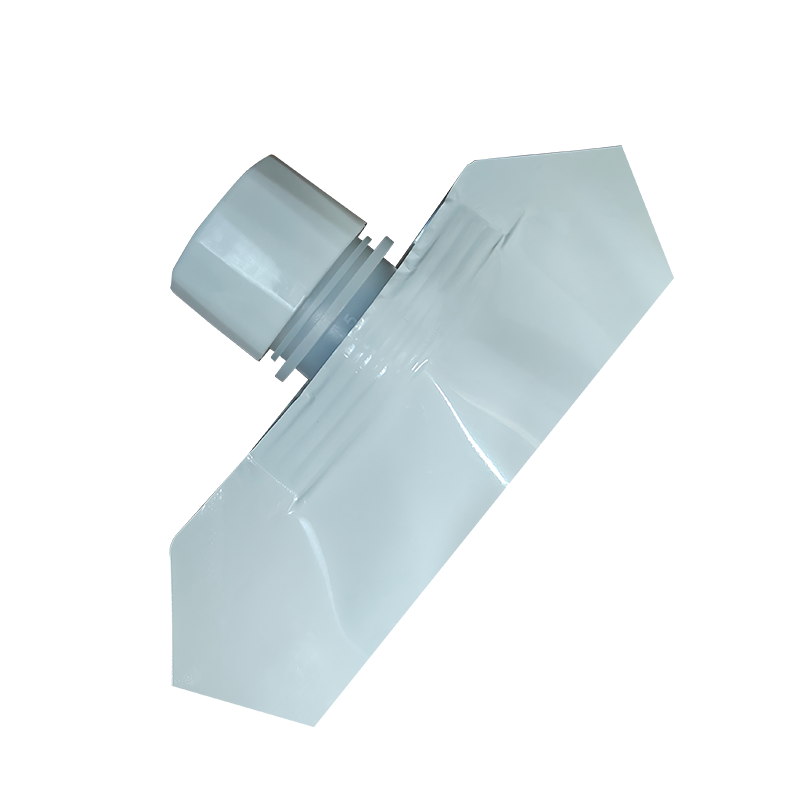 Solo Swirl Top Stand-Up PouchTranslucent stand-up pouch with twist closure for dry coffee, tea, spices, or powders; useful when reviewing fill-line and seal compatibility.View Product →
For dry powders and granules, the same pouch shape may need a different gusset and seal profile. The mistake is to approve a spout pouch sample on a benchtop filler, then run it on a rotary machine with a different jaw geometry.
Format comparison: standard, zipper, spout and flat-bottom
Table note: machine fit and barrier route are starting points for a specification review, not universal rules. Confirm against the actual filler, film supplier data and product shelf-life target.
Hidden metrics that shift the landed cost
Film downgauging is the most common false economy in doypack sourcing. A 10% reduction in film thickness can lower material spend, but it also reduces drop height, seal strength and standing stiffness. The chart below uses a relative planning index for a 250 g coffee pouch; it is not a laboratory result.
Chart note: relative index for early-stage comparison only. Validate with seal-strength, leak and drop tests on the actual fill line.
A common example: reducing film from 120 micron to 110 micron may save 6% to 8% in material cost. If the leak rate rises by 0.5%, rework, product loss and chargebacks can erase the saving before the first pallet ships. The right comparison is cost per good pouch, not cost per kilogram of film.
Where doypack bags earn their space
Chart note: illustrative split based on common B2B packaging project pipelines, not a published market study.
Pet food is a useful example because the pouch must handle fat migration, aroma and puncture from kibble edges. A stand-up pouch with a high-barrier film and a wide bottom gusset often replaces a rigid tub, but the seal zone must be protected from grease contamination during filling.
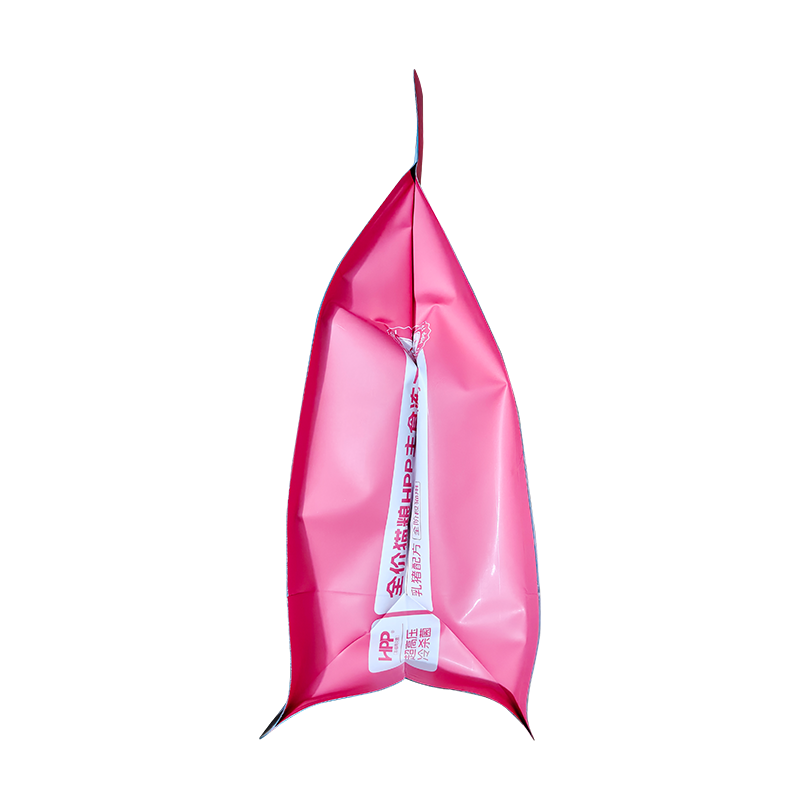 High-Barrier Pet Food Packaging BagMulti-layer pouch for kibble or freeze-dried pet food, with high-barrier protection and printable front panel for retail labeling.View Product →
For coffee, the one-way valve is not a decoration. It releases carbon dioxide while limiting oxygen ingress, and its position must stay clear of the top seal and the fill zone. A valve placed too close to the seal can create a channel during compression.
A four-step selection sequence that avoids late rework
For coffee, a valve-equipped stand-up pouch is often the reference format, but the specification still depends on degassing rate, fill temperature and the packer's valve seating tool.
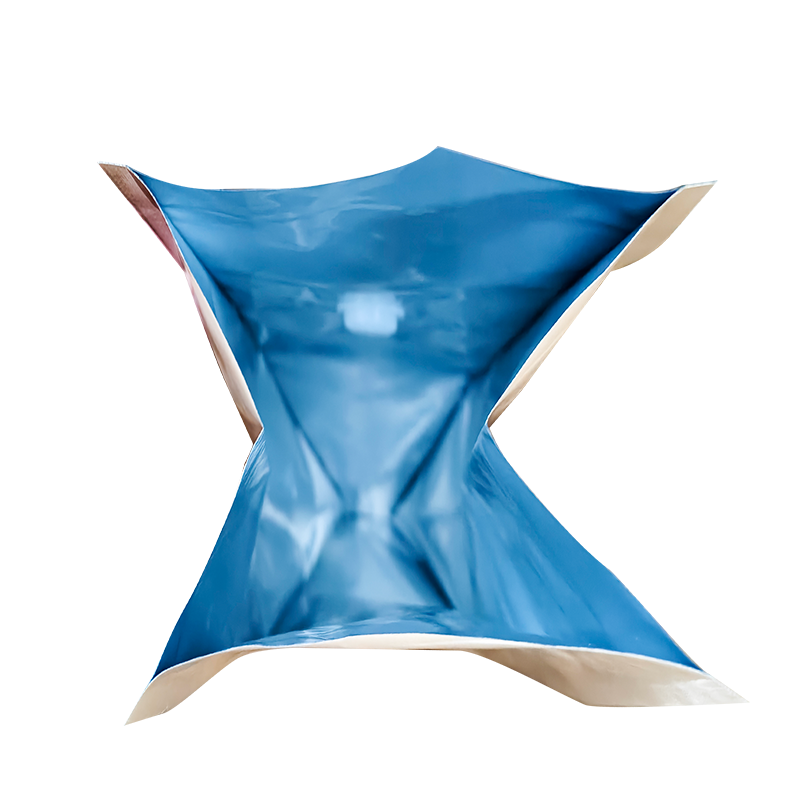 Coffee Pouch with Degassing ValveHigh-barrier coffee bag with one-way valve and tear notch for roasted beans or ground coffee; review valve placement and filling compatibility.View Product →
Lock the fill line
Record dosing method, nozzle diameter, fill temperature, headspace, target speed and capper torque. Use the stand-up pouch selection guide to shortlist formats before requesting samples.
Match film to shelf life
Set oxygen and moisture targets, then check fat, salt, aroma and puncture risks. Ask for film data sheets and a declaration of compliance, not just a sample photo.
Validate seals and drop
Run burst, 24-hour leak, drop and compression tests on filled pouches. A 1.2 m drop and a 40°C/75% RH conditioning step reveal more than a bench-top seal check.
Build total cost
Compare film grammage, scrap, changeover time, pallet cube and freight. For a 100,000-unit run, a 2% scrap difference can matter more than a small unit-price gap. To review a specific line, send the fill-line details before committing to tooling.
Maintenance, food safety and recyclability claims
- Store laminated rolls at 15°C to 25°C and 40% to 60% RH, sealed and away from direct sunlight. Corona treatment decays over time, so use rolls within the supplier's stated shelf life.
- Check food-contact compliance against the destination market: EU 10/2011, FDA 21 CFR or local rules, supported by migration testing, a declaration of compliance and batch traceability.
- Monitor jaw temperature, pressure and dwell every shift. Record zipper damage, spout torque and seal contamination; these three defects account for a large share of doypack rejects.
- For recyclability, verify mono-PE or mono-PP structures against the local collection scheme. Avoid printing "100% recyclable" unless the full pack, including zipper, valve and label, has been assessed and certified.
The maintenance routine is simple but unforgiving: a clean seal bar, a calibrated jaw and a controlled fill zone prevent more failures than a premium film alone. When a doypack bag is treated as a machine component rather than a printed bag, the specification becomes clearer, the sampling cycle shortens and the landed cost is easier to defend.
Final rule: approve the fill interface, film structure and seal validation before approving the artwork. A doypack bag that runs cleanly at the target speed, survives distribution and meets the declared barrier target is worth more than a lower unit price that returns as leakage, rework or a delisted SKU.
Product Categories
Mainly engaged in various types of packaging boxes made of different materials and various paper products.



-
Email
[email protected]Phone Number
+86-15300896380 -
Address
No. 58 Hongmudan Road, Songjiang District, Shanghai, China -
Quick Links
Home About Us Service Industries News Contact -
Products
Food Packaging Cosmetic Packaging Gift Wrapping Apparel Packaging Home Textile Packaging Other Packaging Paper Packaging Boxes -
feel free to contact us

