
 English
  日本語
日本語  Français
  Español
  عربى
عربى  italiano

Industry News
 Feb 02, 2026
 Posted by Administrator
How Do Premium Apparel Packaging Designs Influence Purchase Decisions?
Content
- 1 Understanding the Role of Apparel Packaging in Modern Retail
- 2 Why First Impressions Matter in Apparel Packaging
- 3 How Premium Packaging Reinforces Brand Identity
- 4 Material Choices and Their Impact on Buying Decisions
- 5 The Psychology Behind Premium Apparel Packaging
- 6 Unboxing Experiences and Social Sharing
- 7 Balancing Cost Efficiency with Premium Presentation
- 8 Sustainability as a Purchase Driver in Apparel Packaging
- 9 How Retailers Can Measure Packaging Effectiveness
- 10 Future Trends in Premium Apparel Packaging
- 11 Conclusion: Turning Packaging Into a Strategic Asset
Understanding the Role of Apparel Packaging in Modern Retail
Apparel packaging has evolved far beyond its traditional role of protecting garments during transportation. In today’s competitive retail environment, packaging acts as a silent salesperson, shaping customer perceptions before a product is even touched. Premium apparel packaging designs communicate brand values, quality standards, and lifestyle positioning at first glance, directly influencing purchase decisions across physical stores and e-commerce channels.
As global consumers become more design-conscious and experience-driven, brands increasingly invest in thoughtful packaging strategies. From luxury fashion houses to emerging direct-to-consumer labels, apparel packaging now integrates aesthetics, sustainability, and functionality to create emotional connections and improve conversion rates.
Why First Impressions Matter in Apparel Packaging
Research consistently shows that shoppers form opinions about products within seconds. Premium apparel packaging leverages this behavior by delivering immediate visual and tactile cues that signal quality and trust. Elements such as color palettes, typography, material textures, and structural design work together to build expectations about the garment inside.
In brick-and-mortar environments, attractive packaging can draw attention on crowded shelves or display racks. Online, unboxing experiences shared through social media further amplify the impact of premium packaging, turning customers into informal brand ambassadors.
Key sensory factors that influence perception
- Visual appeal through clean layouts and cohesive branding
- Tactile feedback from textured papers, fabrics, or coatings
- Auditory cues such as magnetic closures or rigid box openings
- Perceived freshness and care in folded presentation
How Premium Packaging Reinforces Brand Identity
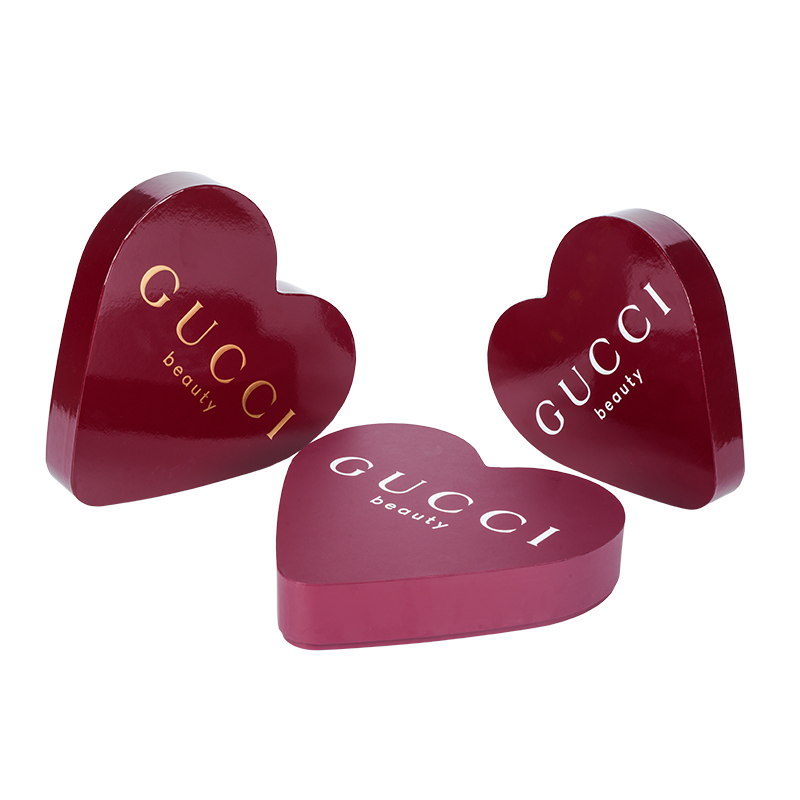
Consistent apparel packaging design strengthens brand recognition and helps differentiate products in saturated markets. Premium packaging often reflects a brand’s story, whether that means minimalist Scandinavian aesthetics, bold streetwear graphics, or refined luxury finishes. Every packaging detail becomes part of the broader brand narrative.
Custom logos, embossed patterns, branded tissue paper, and signature color schemes reinforce visual identity while fostering familiarity. Over time, customers begin to associate specific packaging styles with reliability and quality, increasing repeat purchase behavior.
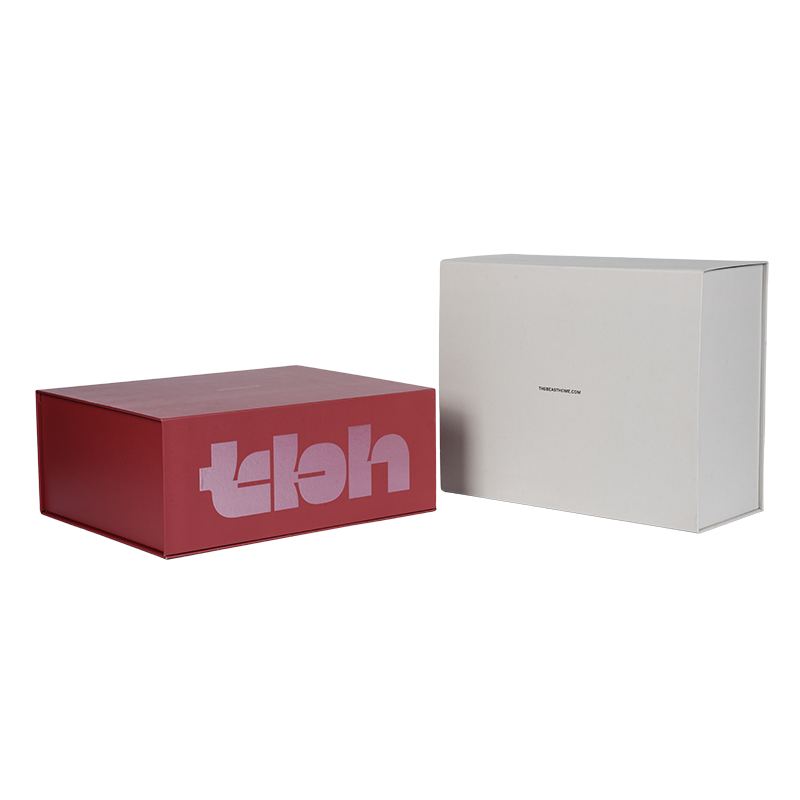
- Custom-printed boxes or mailers
- Branded hangtags and inserts
- Coordinated tissue paper and stickers
- Reusable tote bags or garment covers
Material Choices and Their Impact on Buying Decisions
Material selection plays a central role in shaping perceived value. Rigid boxes, thick kraft paper, soft-touch laminations, and fabric pouches communicate durability and premium positioning. These materials often suggest that similar care has gone into the garment itself.
At the same time, sustainability has become a decisive factor. Eco-conscious consumers increasingly favor brands that use recyclable, biodegradable, or FSC-certified materials. Premium apparel packaging now balances luxury aesthetics with responsible sourcing.
| Material | Perceived Benefit | Typical Use |
| Rigid cardboard | High-end protection | Luxury apparel boxes |
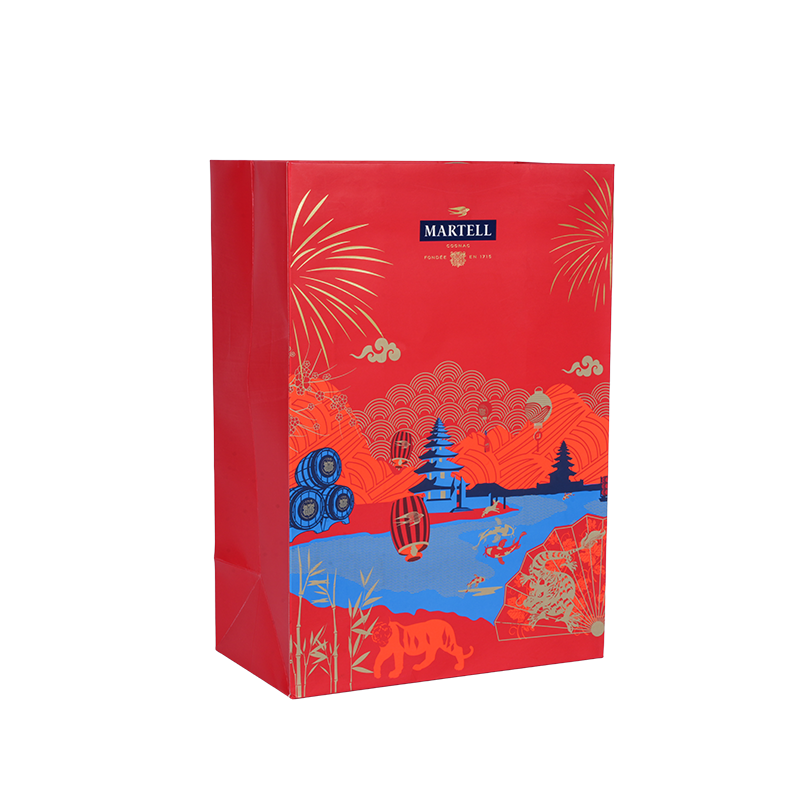
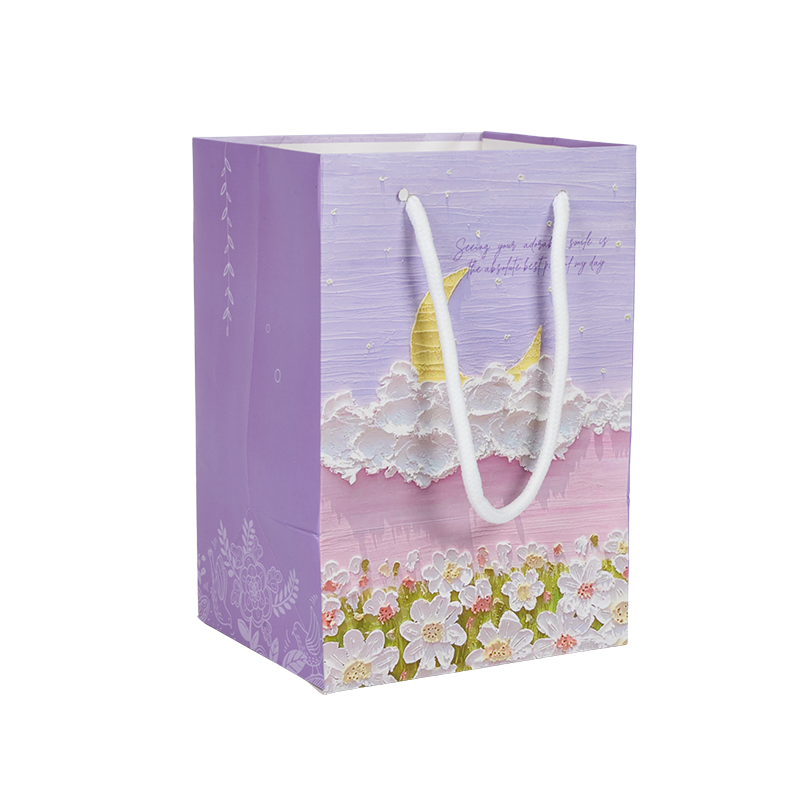
| Recycled kraft paper | Eco-friendly appeal | Mailers and shopping bags |
| Cotton fabric | Soft premium touch | Garment pouches |
| Glassine paper | Clean presentation | Inner wrapping |
The Psychology Behind Premium Apparel Packaging
Premium apparel packaging taps into psychological triggers such as exclusivity, anticipation, and perceived value. When customers receive beautifully packaged garments, they often experience a heightened sense of reward, reinforcing positive associations with the brand.
Well-designed packaging can also reduce purchase hesitation. A refined presentation signals professionalism and reliability, helping customers feel more confident about their buying decision—especially in online environments where physical inspection is not possible.
Unboxing Experiences and Social Sharing
Unboxing has become an important marketing channel, particularly among younger demographics. Premium apparel packaging designed for visual impact encourages customers to share their experiences on platforms like Instagram, TikTok, and YouTube. This organic exposure builds trust and extends brand reach at minimal cost.
Brands now intentionally design packaging sequences, from outer mailer to inner wrap, to create layered moments of discovery that keep customers engaged throughout the unboxing process.
Balancing Cost Efficiency with Premium Presentation
While premium apparel packaging enhances perceived value, it must also align with operational budgets. Smart brands focus on modular designs, standardized box sizes, and scalable materials to control costs while maintaining visual quality.
Lightweight packaging can reduce shipping expenses, while flat-pack designs improve storage efficiency. Many companies adopt hybrid approaches, using premium outer packaging combined with simpler inner components.
Practical cost-optimization strategies
- Using shared packaging sizes across product lines
- Choosing recyclable materials with competitive pricing
- Reducing excess inserts and fillers
- Partnering with packaging suppliers for bulk production
Sustainability as a Purchase Driver in Apparel Packaging
Environmental responsibility is no longer optional. Consumers increasingly evaluate brands based on their packaging choices. Premium apparel packaging that incorporates recyclable inks, compostable mailers, and reusable containers can significantly influence purchasing behavior.
Clear sustainability messaging printed on packaging helps educate customers and reinforces brand transparency. This approach builds long-term trust and aligns businesses with global environmental goals.
How Retailers Can Measure Packaging Effectiveness
To understand how premium apparel packaging impacts purchase decisions, retailers track key performance indicators such as conversion rates, repeat purchases, return frequency, and customer feedback. Surveys and post-purchase emails often provide valuable insights into packaging perception.
A/B testing different packaging designs in limited markets can also reveal which elements resonate most with target audiences, guiding future investments.
Future Trends in Premium Apparel Packaging
Looking ahead, apparel packaging will continue to integrate technology and personalization. QR codes linking to care instructions, NFC tags for authenticity verification, and AI-driven customization are becoming more common. These innovations add practical value while strengthening brand engagement.
As consumer expectations evolve, successful brands will focus on packaging systems that combine premium aesthetics, sustainability, and operational efficiency, ensuring that every unboxing reinforces purchase confidence.
Conclusion: Turning Packaging Into a Strategic Asset
Premium apparel packaging designs play a meaningful role in shaping purchase decisions by influencing perception, trust, and emotional connection. Through thoughtful material selection, cohesive branding, and engaging unboxing experiences, packaging becomes more than a container—it becomes a strategic marketing asset.
For apparel brands operating in competitive global markets, investing in well-designed packaging is not simply about presentation. It is about creating memorable experiences, encouraging repeat business, and building long-term customer loyalty through every delivered garment.
Product Categories
Mainly engaged in various types of packaging boxes made of different materials and various paper products.


-
Email
[email protected]Phone Number
+86-15300896380 -
Address
No. 58 Hongmudan Road, Songjiang District, Shanghai, China -
Quick Links
Home About Us Service Industries News Contact -
Products
Food Packaging Cosmetic Packaging Gift Wrapping Apparel Packaging Home Textile Packaging Other Packaging Paper Packaging Boxes -
feel free to contact us

