
 English
  日本語
日本語  Français
  Español
  عربى
عربى  italiano

Industry News
 Jan 26, 2026
 Posted by Administrator
Why Is Home Textile Packaging Critical for Brand Recognition and Logistics?
Content
Introduction to Home Textile Packaging
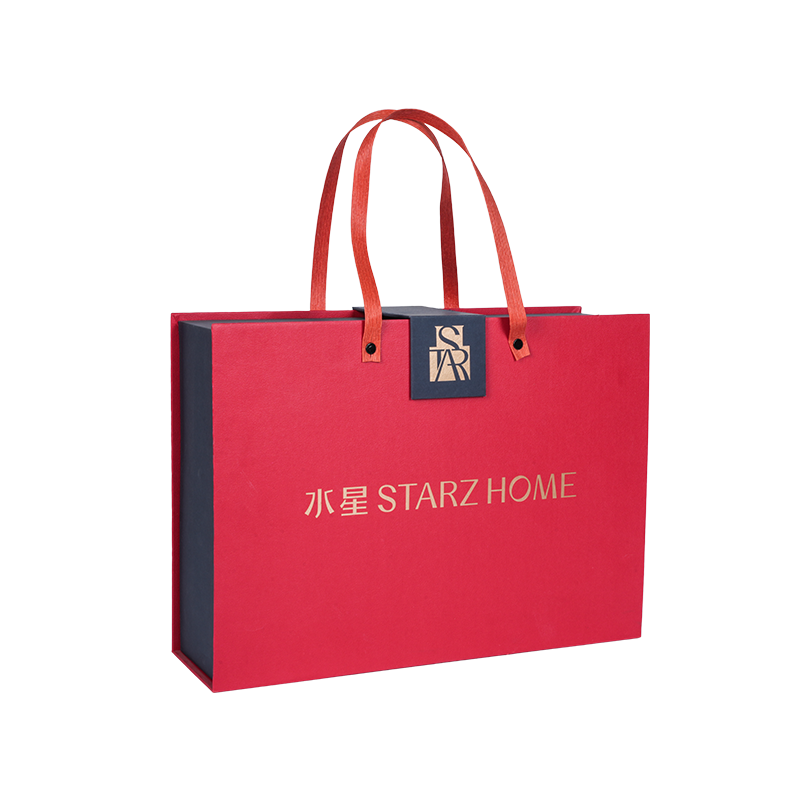
Home textile packaging plays a crucial role in the modern retail and logistics ecosystem. Beyond simply protecting products like bed linens, curtains, and cushions, packaging communicates brand identity, enhances customer perception, and ensures safe transportation. Effective packaging combines functionality with aesthetics, reflecting the brand’s values while maintaining product integrity during handling and storage.
As global supply chains become increasingly complex, packaging solutions must be designed to accommodate shipping, warehousing, and retail display requirements. High-quality packaging not only reduces damage rates but also influences consumer purchasing decisions, highlighting the intersection of logistics and marketing within the home textile sector.
The Role of Packaging in Brand Recognition
Brand recognition is heavily influenced by packaging design. Logos, color schemes, material choices, and product presentation create a visual identity that consumers remember. Consistent and appealing packaging reinforces brand loyalty, differentiates products from competitors, and conveys quality and reliability.
In the home textile industry, customers often associate luxurious, well-presented packaging with superior product quality. For example, a neatly folded duvet in a branded, eco-friendly bag communicates attention to detail and reinforces a premium image, enhancing the likelihood of repeat purchases and recommendations.
Key Branding Benefits
- Differentiates products from competitors in crowded marketplaces
- Reinforces quality perception and premium positioning
- Creates a memorable unboxing experience for customers
- Supports consistent brand identity across product lines
Protecting Products During Transport
Home textiles are often bulky and delicate, requiring packaging that prevents damage, dirt, moisture, and deformation. Materials such as polypropylene bags, cardboard boxes, vacuum-sealed pouches, and reusable fabric bags are commonly used to provide structural support and protection during shipping and storage.
Proper packaging reduces returns due to damaged products, lowers replacement costs, and ensures that items arrive in pristine condition. Shock absorption, moisture resistance, and secure closures are critical design considerations, particularly for high-value textiles that may be shipped internationally.
Common Protective Packaging Methods
- Vacuum-sealed bags to reduce volume and protect against moisture
- Reinforced cardboard boxes for structural support during handling
- Eco-friendly woven or fabric bags for reusable, sustainable options
- Custom inserts or padding for fragile or premium textile items
Streamlining Logistics with Effective Packaging
Efficient logistics relies on packaging that is not only protective but also optimized for storage and transport. Stackable designs, standardized dimensions, and lightweight materials reduce shipping costs and simplify warehouse management. Uniform packaging also enables automated handling systems, facilitating faster processing and inventory control.
In addition, clear labeling and product information printed directly on packaging improve accuracy in shipping, reduce human errors, and enhance traceability. Brands that invest in logistics-friendly packaging benefit from smoother operations and higher customer satisfaction due to timely and intact delivery.
Logistics Considerations for Home Textile Packaging
- Standardized sizes for palletization and space optimization
- Lightweight but durable materials to reduce shipping costs
- Clear labeling for easy identification and inventory management
- Stackable and modular designs for warehouse efficiency
Sustainable and Eco-Friendly Packaging Trends
Consumers increasingly demand eco-friendly packaging solutions. Home textile brands are adopting biodegradable plastics, recycled materials, and reusable fabric bags to reduce environmental impact while maintaining protection and aesthetics. Sustainable packaging also strengthens brand image, appealing to environmentally conscious buyers and aligning with global sustainability goals.
Beyond materials, reducing excess packaging and designing for minimal waste contribute to more efficient logistics and lower costs. Brands that successfully implement sustainable packaging achieve a balance between functionality, brand perception, and environmental responsibility.
Conclusion: Packaging as a Strategic Asset
Home textile packaging is no longer just a protective layer; it is a strategic asset that influences brand recognition, customer experience, and supply chain efficiency. Thoughtful packaging enhances product appeal, ensures safe delivery, and supports brand identity, all while reducing operational challenges in logistics.
By investing in high-quality, innovative, and sustainable packaging solutions, home textile brands can differentiate themselves in competitive markets, increase customer satisfaction, and optimize logistics processes. Packaging is thus a critical component in building a successful, modern, and responsible home textile business.
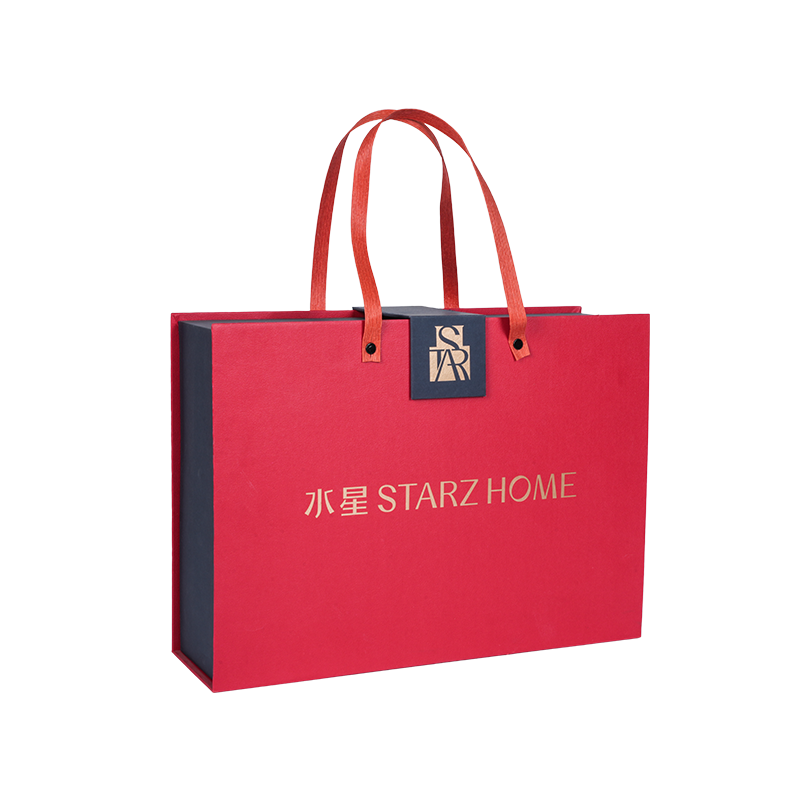
Product Categories
Mainly engaged in various types of packaging boxes made of different materials and various paper products.



-
Email
[email protected]Phone Number
+86-15300896380 -
Address
No. 58 Hongmudan Road, Songjiang District, Shanghai, China -
Quick Links
Home About Us Service Industries News Contact -
Products
Food Packaging Cosmetic Packaging Gift Wrapping Apparel Packaging Home Textile Packaging Other Packaging Paper Packaging Boxes -
feel free to contact us

