
 English
  日本語
日本語  Français
  Español
  عربى
عربى  italiano

Industry News
 Jan 19, 2026
 Posted by Administrator
What Role Does Home Textile Packaging Play in Enhancing Brand Image?
Content
Introduction: The Impact of Home Textile Packaging on Brand Image
In today’s competitive market, the role of packaging extends far beyond its functional purpose of protecting the product. For home textiles such as bedding, curtains, and towels, packaging plays a crucial role in shaping the brand image and influencing consumer perception. From creating a memorable first impression to communicating the brand’s values, the right packaging design can enhance the overall consumer experience and elevate a brand’s identity. This article explores how home textile packaging contributes to strengthening brand image, focusing on design, sustainability, and consumer engagement.
The Role of Packaging in Brand Perception
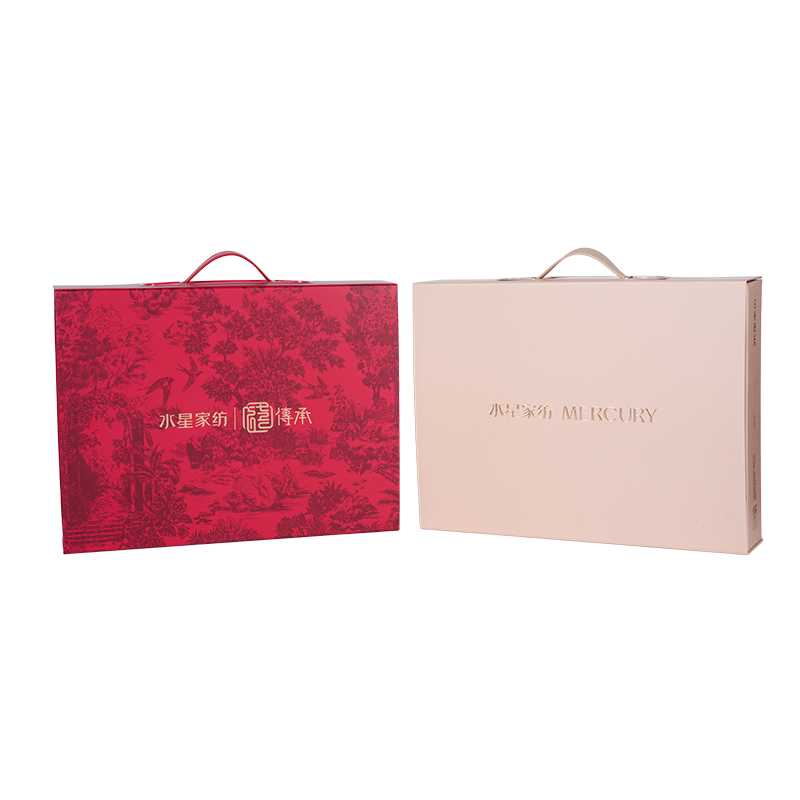
Packaging is often the first point of contact between the consumer and the product. In the case of home textiles, the packaging can communicate the quality, style, and values of a brand long before the consumer opens the package. Whether it’s a luxury duvet set or a budget-friendly towel, the way the product is presented can significantly impact how the brand is perceived.
- First Impressions: Packaging is the first thing consumers notice, and it can set the tone for their perception of the product. High-quality, aesthetically appealing packaging conveys a sense of premium value, while functional but simple designs may appeal to a more budget-conscious consumer.
- Visual Appeal: The design elements of packaging, including color schemes, logos, and typography, can reinforce a brand’s identity. A well-designed package speaks to the consumer’s sense of style and can create an emotional connection.
- Brand Consistency: Consistent packaging design across a range of products helps establish brand recognition. Home textile brands that use a unified color palette, logo, and design elements across their packaging help consumers instantly recognize their products.
Packaging Design Elements that Shape Brand Image
Several key design elements in home textile packaging can play a role in enhancing a brand's image. These elements not only contribute to the aesthetic appeal but also communicate the brand’s values, quality, and consumer focus.
- Colors and Typography: Colors can evoke specific emotions, such as calmness, warmth, or excitement. Typography, too, can suggest sophistication or playfulness. Together, these elements contribute to the overall brand personality and can make the product stand out on store shelves or online marketplaces.
- Material Choices: The materials used in packaging—whether cardboard, biodegradable plastic, or cloth—speak volumes about a brand’s commitment to quality and sustainability. For instance, premium fabrics for packaging may convey luxury, while eco-friendly materials communicate environmental responsibility.
- Graphic Design: Clear, elegant graphics that showcase product features or lifestyle imagery help consumers visualize the product in their own homes. This also enhances the emotional appeal and strengthens the connection between the consumer and the brand.
Sustainability in Home Textile Packaging
Sustainability has become a key factor in consumer purchasing decisions, and packaging plays a central role in this trend. Consumers are increasingly aware of the environmental impact of the products they purchase, including the packaging. Brands that prioritize eco-friendly materials, minimize waste, and use recyclable or reusable packaging options can significantly improve their image and attract environmentally conscious customers.
- Eco-Friendly Materials: Sustainable materials such as recycled paper, organic cotton, and biodegradable plastics are popular choices for home textile packaging. These materials help reduce the environmental footprint and demonstrate the brand’s commitment to sustainability.
- Minimalist Packaging: Many brands are moving away from excessive packaging to reduce waste. Minimalist packaging, where only the necessary amount of material is used, appeals to consumers looking for more eco-friendly options.
- Reusable Packaging: Offering reusable packaging solutions, such as cloth bags or sturdy boxes, not only provides value to consumers but also aligns the brand with sustainable living. This approach can enhance brand loyalty and consumer trust.
How Sustainable Packaging Enhances Brand Image
By incorporating sustainable practices into packaging, home textile brands demonstrate their environmental responsibility, which can boost their reputation and appeal to eco-conscious consumers. Brands that clearly communicate their sustainable packaging practices on the packaging itself or through marketing campaigns strengthen their image as ethical and forward-thinking businesses.
Packaging as a Tool for Consumer Engagement
Packaging is not just about protecting the product; it also serves as a powerful tool for engaging with consumers. Creative packaging designs that include storytelling elements or promotional information can increase consumer interest and encourage brand loyalty.
- Storytelling: Many home textile brands use their packaging as a canvas to tell their brand story, highlighting their origins, values, or the craftsmanship behind their products. This narrative can build emotional connections and deepen consumer trust.
- Interactive Packaging: Some brands are incorporating interactive elements into their packaging, such as QR codes that lead to online content or contests. These features enhance the consumer experience and create additional touchpoints for brand engagement.
- Personalization: Personalized packaging that speaks directly to the consumer—such as custom labels or messages—can elevate the perceived value of the product and foster a sense of connection to the brand.
Packaging for E-Commerce Success
In the era of e-commerce, home textile packaging also plays a crucial role in shaping brand image. The unboxing experience has become a significant aspect of online shopping, with many consumers sharing their experiences on social media. Thoughtful, visually appealing, and functional packaging can enhance the unboxing experience, making it shareable and encouraging customers to promote the brand online.
Conclusion: Home Textile Packaging as a Brand-Building Tool
Home textile packaging is much more than a protective layer for products; it is an essential component of brand identity. Well-designed packaging enhances the consumer’s experience, builds brand recognition, and communicates the values and quality behind the product. In a competitive market, packaging that aligns with the brand’s image, sustainability efforts, and consumer expectations can set a brand apart and create lasting consumer loyalty.
Product Categories
Mainly engaged in various types of packaging boxes made of different materials and various paper products.


-
Email
[email protected]Phone Number
+86-15300896380 -
Address
No. 58 Hongmudan Road, Songjiang District, Shanghai, China -
Quick Links
Home About Us Service Industries News Contact -
Products
Food Packaging Cosmetic Packaging Gift Wrapping Apparel Packaging Home Textile Packaging Other Packaging Paper Packaging Boxes -
feel free to contact us

