
 English
  日本語
日本語  Français
  Español
  عربى
عربى  italiano

Industry News
 Apr 20, 2026
 Posted by Administrator
Pet Food Flexible Packaging Bag Guide
The global pet food market is growing rapidly, and packaging has become one of the most consequential decisions a brand makes. A well-engineered pet food flexible packaging bag does far more than hold product — it preserves nutritional integrity, communicates brand values, meets regulatory requirements, and directly influences purchase decisions at the shelf. For brands sourcing at scale, working with an experienced pet food packaging manufacturer China offers access to advanced flexible packaging technology, broad material options, and cost-competitive production without compromising on quality. This guide covers everything you need to know: packaging functions, flexible bag formats, material selection, and how to evaluate a manufacturing partner.
Content
- 1 Why Packaging Is Central to Pet Food Success
- 2 Core Functions Every Pet Food Flexible Packaging Bag Must Deliver
- 3 Flexible Bag Formats for Pet Food: A Practical Comparison
- 4 Material Selection: What Goes Into a High-Performance Pet Food Bag
- 5 How to Evaluate a Pet Food Packaging Manufacturer in China
- 6 Sustainability Trends Reshaping Pet Food Flexible Packaging
Why Packaging Is Central to Pet Food Success
Food packaging is a key component in food production, storage, and sales. Its core value lies in safety protection, regulatory communication, and user experience — covering essential dimensions such as material selection, structural functionality, and product classification. For pet food specifically, these dimensions carry added weight. Pet owners increasingly scrutinize packaging the same way they evaluate their own food: for freshness assurance, ingredient transparency, sustainable materials, and ease of use in daily feeding routines.
From a commercial standpoint, packaging is often the first physical interaction a customer has with a brand. Premium flexible pouches with high-resolution printing communicate quality before the bag is even opened. Resealable closures suggest care for the pet's health. Transparent windows allow visual inspection of kibble texture and color. Every structural and aesthetic choice either builds or erodes consumer trust — which is why leading pet food brands invest heavily in packaging specification and design.
Core Functions Every Pet Food Flexible Packaging Bag Must Deliver
Safety Protection and Shelf Life Extension
The primary function of any pet food packaging is barrier performance. A high-quality flexible packaging bag isolates oxygen, moisture, light, and bacteria — the four primary causes of pet food spoilage and contamination. For dry kibble, moisture-vapor transmission rate (MVTR) is the critical barrier metric: even small amounts of humidity can trigger mold growth or cause palatability loss within days. For wet food, oxygen transmission rate (OTR) determines how quickly fats oxidize and flavors degrade. Aluminum foil laminate structures achieve near-zero OTR and are the standard for long-shelf-life wet and semi-moist formats. For dry kibble bags, metallized PET or EVOH-barrier films provide an effective and cost-efficient alternative.
Regulatory Information Transmission
Pet food packaging must clearly display all legally required information in the target market. This includes product name, complete ingredient list, guaranteed analysis (protein, fat, fiber, moisture), net weight, production and expiry dates, manufacturer name and contact details, and feeding guidelines. In the United States, AAFCO nutritional adequacy statements are mandatory. In the European Union, EU feed legislation governs label content. In China, GB standards define domestic requirements. A capable pet food packaging manufacturer in China will print panels that comply with multiple regional regulatory frameworks simultaneously — critical for brands exporting to more than one market.
Convenient Use Across Storage, Transport, and Feeding
Packaging is designed to support the full product lifecycle: from warehouse storage and retail display through home use and daily feeding. Moisture-resistant zipper closures allow pet owners to reseal bags between meals, maintaining freshness without requiring a secondary container. Easy-tear notches enable clean, tool-free opening — particularly valued in single-serve and travel formats. For larger bags (5kg, 10kg, 15kg), reinforced gussets and carry handles improve handling and reduce the risk of structural failure during transport. These functional features are not cosmetic additions — they directly affect repeat purchase rates and brand perception.
Branding and Shelf Differentiation
The design and material selection of a pet food flexible packaging bag are primary tools for conveying product positioning and enhancing brand perception. Matte lamination finishes signal premium positioning; high-gloss surfaces communicate energy and value. Spot UV coatings, embossing, and metallic inks add tactile and visual distinction on crowded retail shelves. Full-bleed photographic printing of the target pet breed creates immediate emotional resonance with the shopper. For natural and organic pet food brands, kraft paper outer layers highlight an eco-conscious identity while retaining the moisture barrier properties required for food safety.
Flexible Bag Formats for Pet Food: A Practical Comparison
Different pet food products and retail strategies require different bag structures. The following formats are the most widely used in the global pet food market, each with distinct functional and commercial advantages.
| Bag Format | Best For | Key Features |
|---|---|---|
| Stand-Up Pouch (SUP) | Treats, small kibble, wet food | Self-standing, resealable zipper, large print area |
| Flat Bottom Bag | Premium dry kibble, specialty diets | Superior shelf stability, five printable panels, premium positioning |
| Side Gusset Bag | Large-format dry food (5–20kg) | High volume capacity, expandable sides, handle options |
| Pillow Bag | Value kibble, bulk retail packs | Low material cost, high-speed machine filling, economical |
| Spout Pouch | Liquid broths, nutritional gels, sauces | Spill-proof dispensing, reclosable cap, portable |
| Quad-Seal Bag | Mid-to-large dry food formats | Four sealed corners, structured shape, excellent shelf presence |
Material Selection: What Goes Into a High-Performance Pet Food Bag
The laminate structure of a pet food flexible packaging bag determines its barrier performance, print quality, heat-seal integrity, and sustainability profile. Most pet food pouches are constructed from two to four bonded layers, each serving a specific function. Understanding the role of each layer helps buyers specify the right structure for their product and market.
- PET (Polyethylene Terephthalate) outer layer — Provides dimensional stability, puncture resistance, and a high-quality print surface. The standard outer substrate for most printed pet food pouches
- Aluminum foil barrier layer — Near-zero OTR and MVTR, making it the gold standard for wet food and high-fat treats where oxidation is the primary shelf-life threat
- EVOH (Ethylene Vinyl Alcohol) barrier layer — A transparent, high-barrier alternative to foil used when window panels are required or when a lighter pack weight is preferred
- LLDPE or CPP inner sealant layer — Enables heat sealing during the filling process and provides direct food-contact compliance. CPP is preferred for higher-temperature applications
- Kraft paper outer layer — Used in natural and organic pet food positioning to communicate sustainability; must be combined with an inner barrier film to maintain moisture protection
- Mono-material PE or PP structures — Emerging recyclable formats gaining adoption as brands respond to sustainability pressure; trade some barrier performance for end-of-life recyclability
How to Evaluate a Pet Food Packaging Manufacturer in China
China is the world's largest producer of flexible packaging, home to hundreds of manufacturers capable of supplying pet food pouches at competitive prices. However, quality, compliance, and communication standards vary significantly. Selecting the right pet food packaging manufacturer China requires evaluating several critical factors beyond unit price.
- Food safety certifications — Confirm the manufacturer holds ISO 9001 for quality management and ISO 22000 or BRC Packaging for food safety. FDA registration is required for packaging destined for the US market; EU food contact material declarations are required for European distribution
- Printing capability — Ask whether the facility operates rotogravure or flexographic printing presses, the maximum number of colors, and whether inline quality inspection systems are installed. High-resolution pet photography requires 8–10 color rotogravure for accurate reproduction
- Lamination and structure options — Confirm the manufacturer can produce your required laminate structure in-house, including foil lamination, EVOH co-extrusion, and kraft paper combinations. In-house lamination reduces lead time and improves interlayer bonding consistency
- Minimum order quantities and sampling process — Established manufacturers typically offer pre-production samples for approval before committing full production runs. Clarify MOQ by SKU, sampling timelines, and whether tooling costs apply to zipper or spout components
- Export experience and documentation support — Verified export history to your target markets, familiarity with customs requirements, and the ability to provide material safety data sheets, migration test reports, and certificates of conformance are non-negotiable for regulated markets
Leading Chinese flexible packaging manufacturers serving the pet food sector operate integrated facilities that handle gravure printing, lamination, pouch conversion, and quality testing under one roof. This integration reduces inter-facility variation, shortens lead times to 25–35 days for repeat orders, and provides a single point of accountability for specification compliance from raw film through finished pouch.
Sustainability Trends Reshaping Pet Food Flexible Packaging
Approximately 45% of pet owners now consider recyclable packaging as part of their purchasing decision, according to Euromonitor data. This shift is driving meaningful structural change in pet food flexible packaging specification. Several brands are already transitioning flagship SKUs from foil-barrier laminates to mono-material recyclable PE or PP pouches, accepting a modest reduction in shelf life in exchange for on-pack recyclability claims that resonate with environmentally aware shoppers.
The most practical near-term path for most brands is a hybrid approach: retain foil or EVOH barrier structures for wet food and high-fat treats where oxidation risk is greatest, while transitioning dry kibble formats to PCR (post-consumer recycled) content films or certified compostable structures where shelf life requirements permit. A knowledgeable pet food packaging manufacturer in China with active R&D investment in sustainable substrates can guide this transition without compromising the food safety performance that pet owners ultimately rely on.
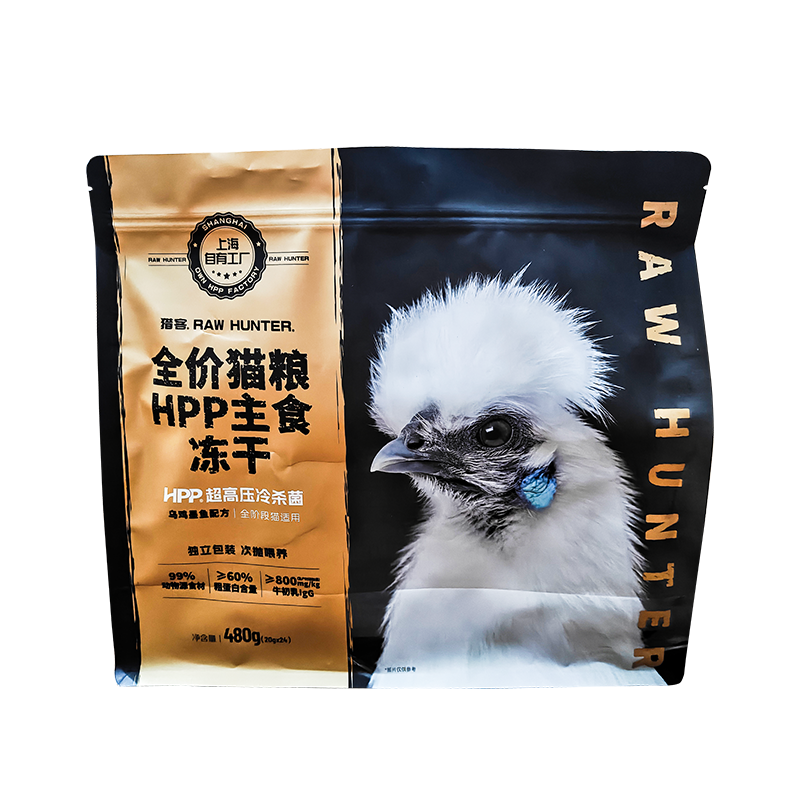
Product Categories
Mainly engaged in various types of packaging boxes made of different materials and various paper products.
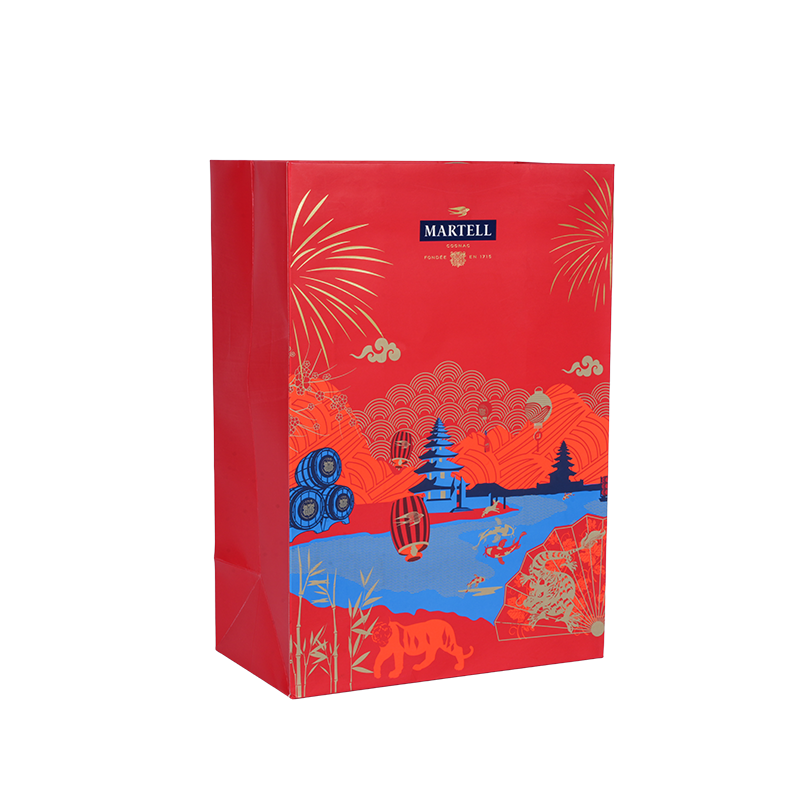

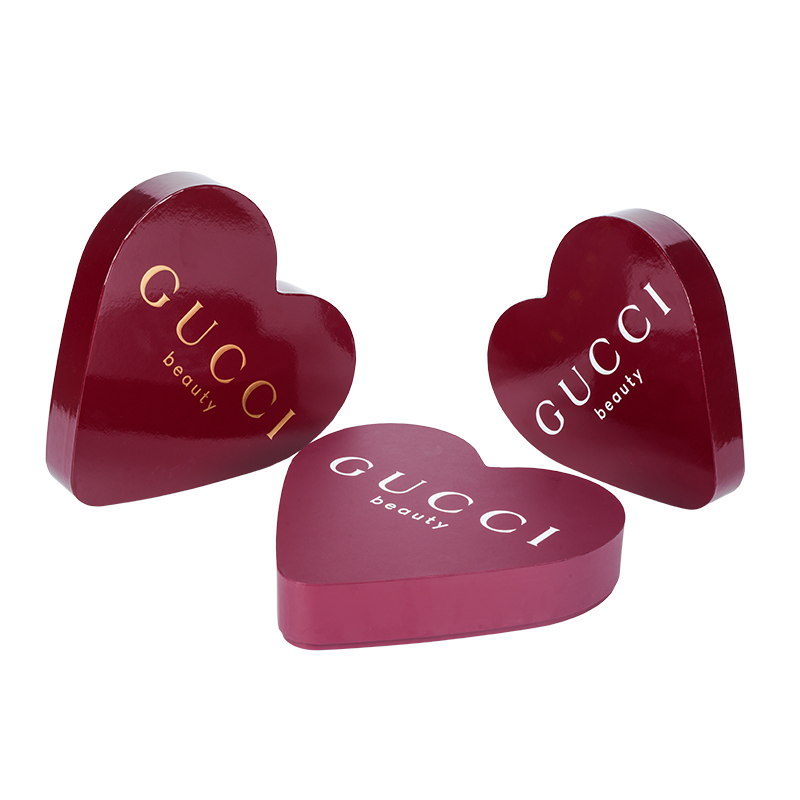
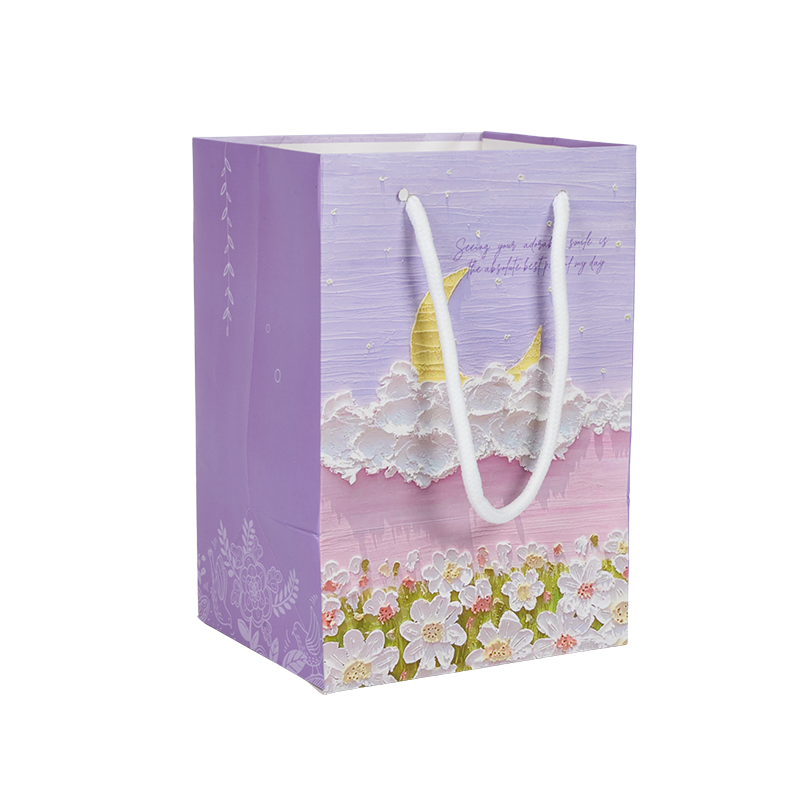

-
Email
[email protected]Phone Number
+86-15300896380 -
Address
No. 58 Hongmudan Road, Songjiang District, Shanghai, China -
Quick Links
Home About Us Service Industries News Contact -
Products
Food Packaging Cosmetic Packaging Gift Wrapping Apparel Packaging Home Textile Packaging Other Packaging Paper Packaging Boxes -
feel free to contact us

