
 English
  日本語
日本語  Français
  Español
  عربى
عربى  italiano

Industry News
 Oct 08, 2026
 Posted by Administrator
Crash Lock Bottom Box: The Ultimate B2B Sourcing and Engineering Guide
Core conclusion: For high-volume automated packaging lines, the crash lock bottom box (CLB) typically reduces total packaging cost by 15–25% compared to tuck-end or standard reverse-tuck cartons. Its self-locking base eliminates glue on the bottom, cuts assembly time, and maintains a robust structure for products up to 5 kg.
If you are sourcing folding cartons for food, cosmetics, or consumer electronics, the CLB design deserves a close look. It ships flat, assembles in one motion, and works reliably on most cartoning machines. This guide explains the engineering, compares real performance data, and helps you decide if CLB fits your next project.
A crash lock bottom box is a folding carton with a base that locks automatically when the box is opened from its flat state. The bottom consists of several interlocking flaps that are die-cut from the same board. When you push the side walls outward, the flaps fold inward and interlock, creating a secure floor without any adhesive. This design is widely used in the food, confectionery, cosmetics, and small electronics industries because it balances speed, strength, and material efficiency.
Content
What Is a Crash Lock Bottom Box and How Does It Work?
The magic of a CLB lies in its die-cut geometry. The bottom panel is divided into four main flaps: two outer flaps with tabs and two inner flaps with slots. When the box is erected, the outer flaps fold over the inner flaps, and the tabs snap into the slots. Friction and the board’s natural spring hold the base in place. No glue, no tape, no staples.
This mechanism offers several practical advantages:
- Fast assembly: A trained operator can erect a CLB in 2–3 seconds, while a glued bottom box may take 5–7 seconds plus drying time.
- Material savings: No glue flap is needed on the bottom, reducing board waste by 8–12% compared to standard auto-bottom designs.
- Reliable strength: The interlocking flaps distribute weight evenly. A well-designed CLB made from 350 gsm white cardstock can hold up to 5 kg.
- Flat shipping: Boxes are delivered knocked down, saving up to 70% of transport volume compared to pre-glued boxes.
Self-locking base
No adhesive required. The interlocking tabs create a secure floor that withstands stacking pressure.
Material efficiency
Optimized die layout reduces board consumption. Common stocks: white cardstock, kraft, corrugated E-flute.
Automation-ready
Compatible with most cartoning machines. The flat-packed design feeds smoothly and erects reliably.
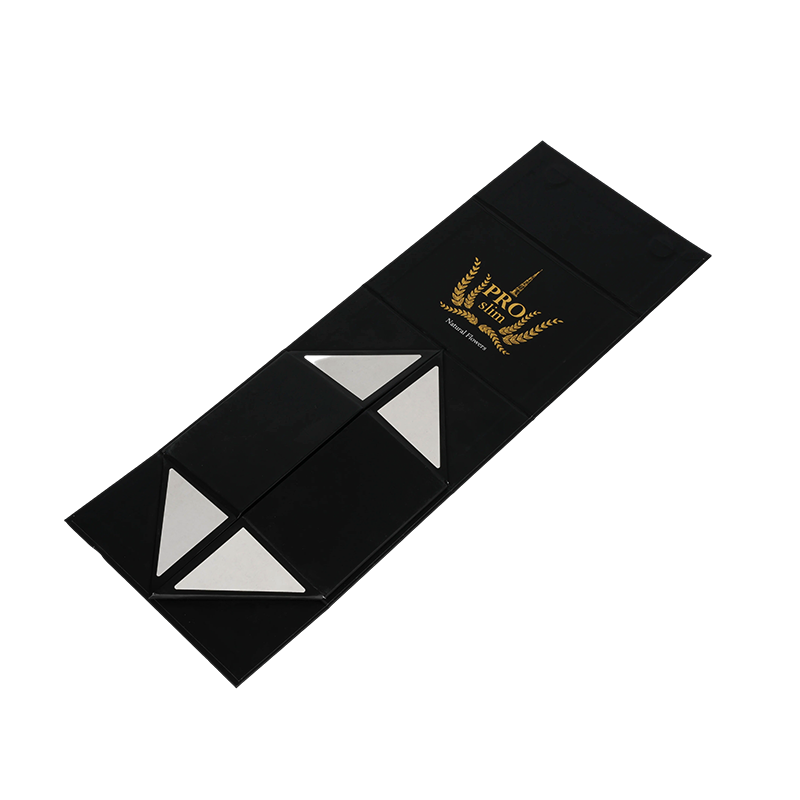 Foldable Lock-Bottom Matte Black Gift Box with Gold FoilA die-cut, glue-free gift box that folds flat, locks by hand, and offers matte black, gold-foiled premium presentation for flowers, fragrance, cigars, or skincare sets.View Product →
For premium gift applications, consider a foldable lock-bottom gift box with matte black finish and gold foil. It combines the efficiency of CLB with a luxurious shelf presence.
Crash Lock vs. Other Bottom Styles: A Data-Driven Comparison
Not all bottom styles are equal. The table below compares CLB with three common alternatives based on typical production data for a 200 × 150 × 80 mm carton made from 350 gsm SBS board.
Caption: Comparison of bottom styles for a 200 × 150 × 80 mm folding carton. Data based on typical production runs.
Hidden Metrics: Cost, Strength, and Assembly Time
When you look beyond the purchase price, CLB often wins on total cost of ownership. The chart below visualizes relative cost indices for four bottom styles over a 100,000-unit run, including material, labor, and glue.
Relative total cost index (100 = highest). CLB typically lands 15–25% below reverse tuck due to faster assembly and zero glue.
Industry Application Distribution
Crash lock bottom boxes are used across many sectors. The pie chart below shows estimated global consumption by industry, based on recent packaging market data.
Food and beverage remains the largest user because CLB boxes handle dry goods, snacks, and frozen items well. Cosmetics brands favor the clean interior and premium printability.
ROI Analysis and Selection Guide
To determine if a crash lock bottom box will deliver positive ROI for your product, follow these five steps. Each step includes a practical checkpoint.
Define product weight and dimensions
CLB works best for products up to 5 kg. If your item is heavier, consider a glued auto-bottom or corrugated box.
Choose board grade
For retail shelves, 300–350 gsm SBS offers excellent print and strength. For shipping, E-flute corrugated adds rigidity.
Evaluate automation compatibility
Test the die-cut blank on your cartoning machine. Minor adjustments to flap angles often improve feeding.
Request samples and run a trial
Order 50–100 blanks for a line trial. Measure assembly time, rejection rate, and stacking strength.
Calculate total landed cost
Include board, printing, die-cutting, freight, and labor. CLB usually wins when annual volume exceeds 50,000 units.
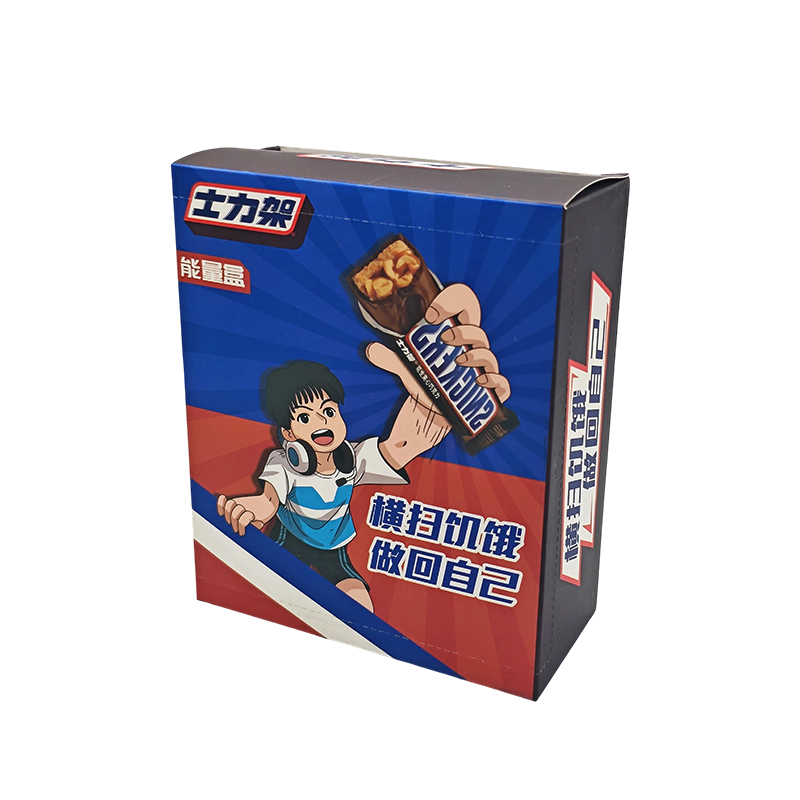 White Paperboard Auto-Lock Bottom Folding Chocolate Packaging BoxA food-grade, flat-shipping folding carton with snap-lock base, six-sided print coverage, and recyclable white paperboard for chocolates, snacks, baked goods, and gift sets.View Product →
For chocolate and confectionery, a white paperboard folding color box with autolock bottom provides a food-safe, grease-resistant option that runs smoothly on high-speed lines.
Maintenance, Compliance, and Sourcing Tips
Once your CLB boxes are in production, keep these practical points in mind. They help you avoid costly delays and compliance issues.
- Moisture control: Store flat blanks in a dry area (40–60% RH). Excessive humidity can soften the board and weaken the locking tabs.
- Food contact compliance: For direct food contact, specify FDA-compliant or EU 10/2011 grades. Avoid recycled board unless a functional barrier is used.
- FSC certification: If your brand promotes sustainability, request FSC Mix or FSC Recycled board. Documentation should accompany each shipment.
- Tooling maintenance: Die-cutting tools wear over time. Inspect cutting rules every 200,000 impressions to prevent poor tab formation.
- Supplier vetting: Choose a manufacturer with in-house printing, die-cutting, and gluing. This reduces lead times and ensures consistent quality.
When selecting a partner, look for proven experience in your industry. For a deeper checklist, see our guide on how to choose gift boxes. You can also contact our team for a custom quote and free samples.
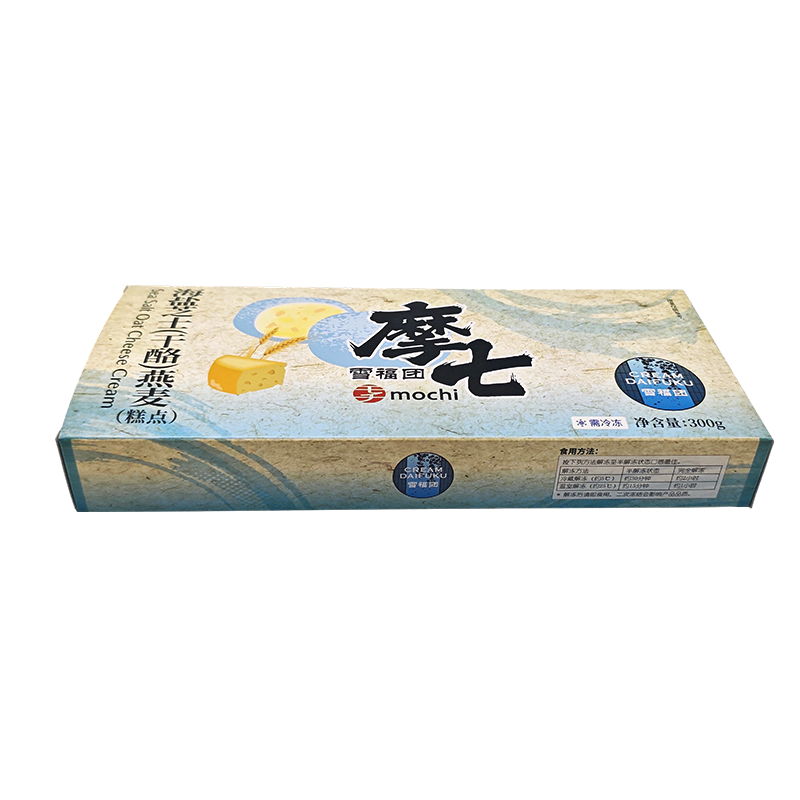 Auto-Lock Bottom Folding Paper Box for Frozen Mochi and PastriesA food-grade, long-format white cardboard box with self-locking base, flat shipping, and printable surface for frozen mochi, daifuku, pastries, or chilled desserts.View Product →
For frozen mochi, long-format pastries, and other chilled products, an autolock bottom folding paper box with moisture-resistant coating is a smart choice. It preserves product quality while keeping assembly fast.
Crash lock bottom boxes are not a one-size-fits-all solution, but for many B2B applications they offer an unbeatable combination of speed, cost, and reliability. Evaluate your product weight, automation setup, and compliance needs. With the right board grade and a trusted manufacturing partner, CLB can reduce your packaging costs and improve line efficiency.
Ready to test a crash lock bottom box for your product? Request a sample kit and run a trial on your packaging line. The results will speak for themselves.
Product Categories
Mainly engaged in various types of packaging boxes made of different materials and various paper products.


-
Email
[email protected]Phone Number
+86-15300896380 -
Address
No. 58 Hongmudan Road, Songjiang District, Shanghai, China -
Quick Links
Home About Us Service Industries News Contact -
Products
Food Packaging Cosmetic Packaging Gift Wrapping Apparel Packaging Home Textile Packaging Other Packaging Paper Packaging Boxes -
feel free to contact us

