
 English
  日本語
日本語  Français
  Español
  عربى
عربى  italiano

Industry News
 Aug 24, 2026
 Posted by Administrator
Eco-Friendly Packaging Solutions: Materials, Costs, and Supplier Selection
You are comparing quotes for a new retail bag line. One supplier offers a compostable film pouch, another proposes an FSC-certified kraft paper bag, and a third recommends a box made from 80% recycled fibre. All three claim to be eco-friendly packaging solutions, yet their costs, product protection, and end-of-life requirements are completely different.
The short version: the most dependable eco-friendly packaging strategy for most brands combines paper-based materials, right-sized structural design, and a manufacturer who can document compliance with food-contact and recycling standards. The material itself matters less than the system around it.
Core conclusion: Recyclable paper-based packaging, cut to the minimum dimensions your product allows and produced by a supplier with auditable certifications, gives the best balance of cost, brand perception, and environmental impact for most consumer goods. Reserve premium formats and specialised barriers for products that genuinely need them.
Content
- 1 What Separates Real Eco-Friendly Packaging from Marketing Claims
- 2 Comparing Common Eco-Friendly Packaging Formats
- 3 What the Price per Unit Does Not Tell You
- 4 Which Industries Are Adopting Eco-Friendly Packaging First
- 5 A Five-Step Selection Process for Your Next Packaging Project
- 6 Compliance, Storage, and Supplier Diligence
What Separates Real Eco-Friendly Packaging from Marketing Claims
Four factors decide whether a package is sustainable in practice, not just on the label. Use them as a checklist when a supplier presents a new material or structure.
Lifecycle thinking
A paper bag can look greener than a plastic pouch while causing higher emissions during transport because it is bulkier. Evaluate sourcing of raw material, packing line efficiency, shipping volume, and end-of-life collection all together.
Material reduction
The cheapest and most reliable sustainability lever is using less material. Right-sized boxes, single-material constructions, and removable inserts reduce both cost and environmental load.
Clear end-of-life terms
Recyclable, biodegradable, and compostable are not synonyms. Recyclable means existing collection can process it. Compostable usually requires industrial facilities. Biodegradable has no fixed timeline in most regulations. Ask which claim your supplier can substantiate.
Certified renewable content
FSC or PEFC certification shows the paper fibre comes from responsibly managed forests. For many export markets, this documentation is as important as the packaging itself.
Comparing Common Eco-Friendly Packaging Formats
The table below compares five formats you will regularly meet in supplier presentations. The cost index is relative to a standard corrugated shipping box at equal order volumes.
What the Price per Unit Does Not Tell You
A lower unit price can hide higher logistics and defect costs. The chart shows the relative cost per 1,000 units for the same formats, including material and standard finishing.
Hidden metrics matter more than the sticker price:
- Minimum order quantities: a material that looks cheap per unit may require a 50,000-piece minimum, tying up working capital.
- Flat-pack efficiency: foldable structures ship in denser loads, cutting freight cost and carbon footprint per order.
- Line compatibility: run a sample batch on your existing filling line before committing; paper stiffness and tolerance vary by lot.
- Defect rate: a 2% higher defect rate on a 100,000-piece order wipes out most material savings.
- Lead time: custom paper structures often need 25–35 days for tooling and production; plan around your launch calendar.
Which Industries Are Adopting Eco-Friendly Packaging First
Food and beverage brands lead the shift to paper-based eco-friendly packaging because they face the most regulatory and shelf-life pressure. Beauty and personal care follow, driven partly by premium branding. The chart shows the distribution across recent packaging tenders by industry.
- Food and beverage – 42%
- Cosmetics and personal care – 26%
- E-commerce and retail – 16%
- Apparel and textiles – 10%
- Others – 6%
Across food service, a recyclable kraft takeaway bag covers most orders, while hot or greasy menus need a semi-rigid structure such as a semirigid kraft paper takeaway box. Bakeries often choose a water-resistant kraft cake carry bag because it keeps the presentation intact during short-distance transport while staying curbside recyclable.
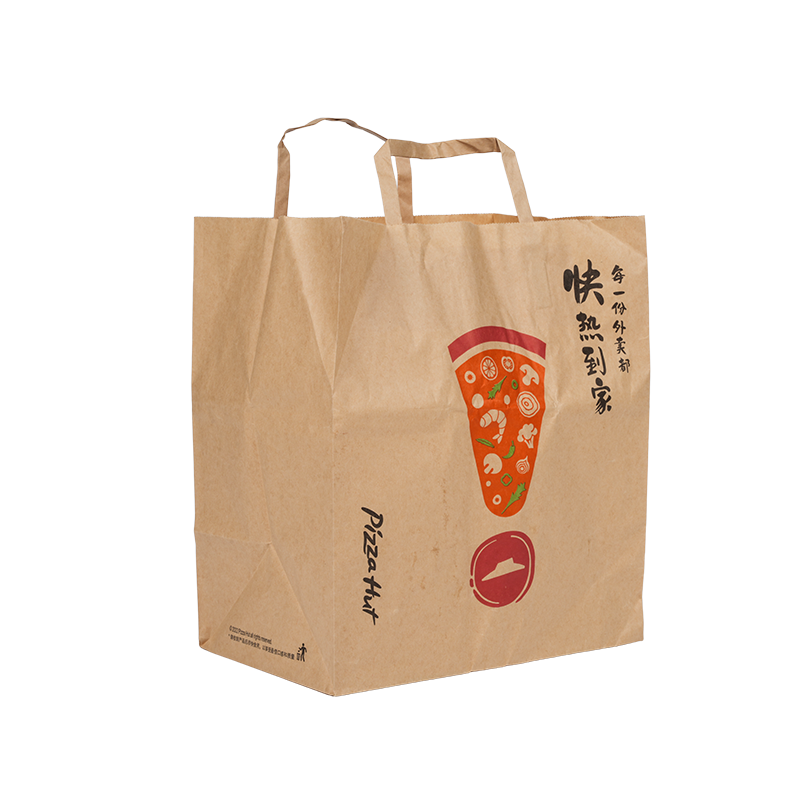 Water-resistant handle kraft/white cardboard cake carry bag Suppliers, WholesaleShanghai Jingmai Packaging Technology Co., Ltd is Water-resistant handle kraft/white cardboard cake carry bag Suppliers and Company in Ch...View Product →
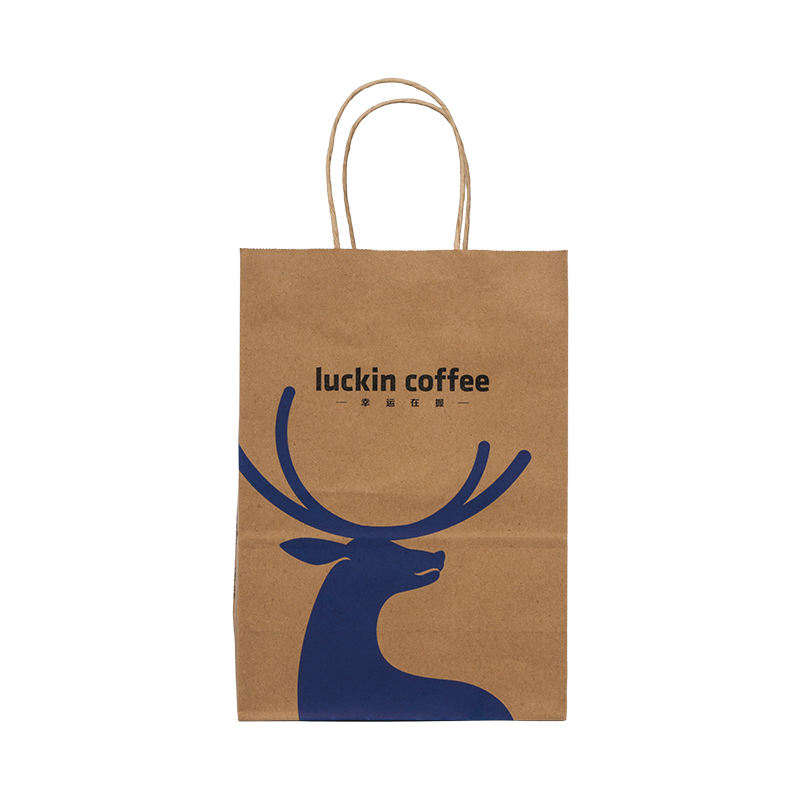 Semi-rigid kraft paper takeaway box Suppliers, Wholesale Company - Shanghai JingShanghai Jingmai Packaging Technology Co., Ltd is Semi-rigid kraft paper takeaway box Suppliers and Company in China, Wholesale Semi-rigi...View Product →
A Five-Step Selection Process for Your Next Packaging Project
Use this process to avoid the two most common mistakes: choosing a material before defining constraints, and scaling a format that cannot be certified.
Define product constraints
Record weight, dimensions, moisture sensitivity, shelf life, and transport route. A 300 g chocolate bar and a 1 L oil bottle need different structures and barriers.
Select the paper-based architecture
Start from the format that needs the least material. For retail and gifting, a general kraft paper bag is often the most versatile eco-friendly packaging solution.
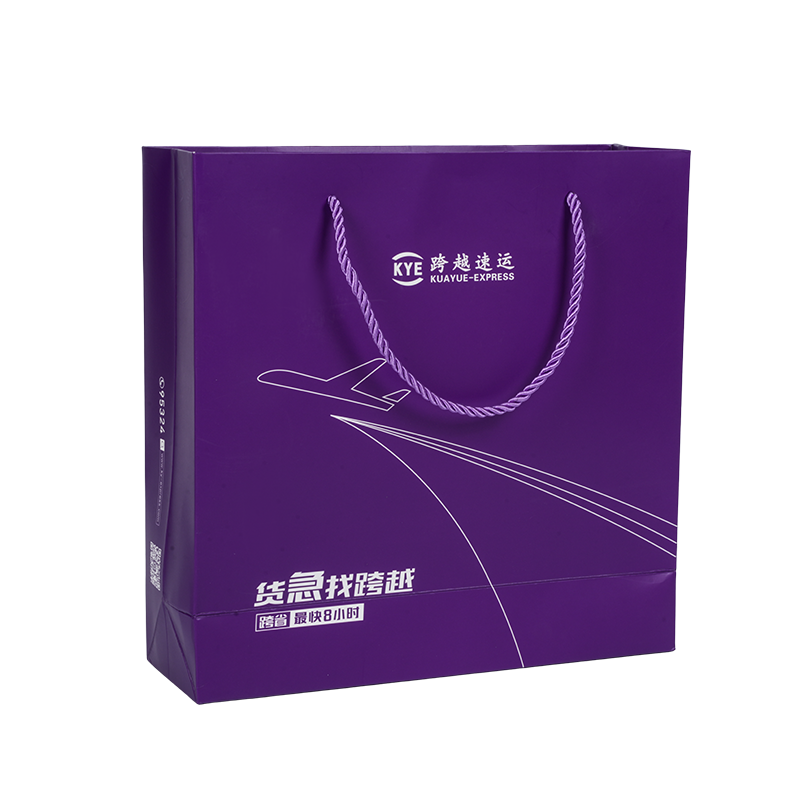 General packaging kraft paper bag Suppliers, Wholesale Company - Shanghai JingmaShanghai Jingmai Packaging Technology Co., Ltd is General packaging kraft paper bag Suppliers and Company in China, Wholesale General pac...View Product →
Right-size and simplify
Cut excess length, remove double-wall panels where single-wall is enough, and replace glued inserts with folded ones. Every cubic centimetre saved lowers freight and material cost.
Validate compliance
Confirm food-contact safety, export-market rules, and recycling claims with test reports. Ask whether inks and coatings are food-grade and whether adhesives pass migration limits.
Pilot, measure, scale
Run a pilot batch through your real filling line and distribution route. Track defects, packing speed, and customer feedback before committing to annual volumes.
Compliance, Storage, and Supplier Diligence
The best eco-friendly packaging solution fails if the supplier cannot prove what the label claims. Here is what to check before you sign.
Food-contact documentation
For food packaging, request migration test reports for the complete structure, not just the base paper. Coatings, inks, and adhesives all enter the picture. In export markets, EU and FDA requirements differ; confirm which standard applies to your destination.
Storage conditions
Paper-based packaging is hygroscopic. Store it at 50–70% relative humidity and moderate temperature; dry, brittle paper cracks on folding lines, while humid paper loses stacking strength. Rotate stock and check arriving batches for edge damage.
Supplier documentation
Ask for ISO 9001 certification, material safety data sheets, and a production batch record for each order. A supplier with an on-site production line, such as Shanghai Jingmai Packaging Technology with its 13,000 m² facility in Shanghai, can usually provide samples, test reports, and export documentation in one workflow. Practical guidance on choosing a custom paper bag manufacturer confirms that certification depth and communication speed are the two most common deal-breakers in packaging sourcing.
Eco-friendly packaging does not require exotic materials or a budget increase. Start with paper-based formats, cut the structure to the minimum that protects the product, certify the claims, and choose a manufacturer with the production depth and export experience to deliver consistently. That combination is what makes a packaging solution genuinely eco-friendly in cost, compliance, and environmental terms.
Product Categories
Mainly engaged in various types of packaging boxes made of different materials and various paper products.


-
Email
[email protected]Phone Number
+86-15300896380 -
Address
No. 58 Hongmudan Road, Songjiang District, Shanghai, China -
Quick Links
Home About Us Service Industries News Contact -
Products
Food Packaging Cosmetic Packaging Gift Wrapping Apparel Packaging Home Textile Packaging Other Packaging Paper Packaging Boxes -
feel free to contact us

