
 English
  日本語
日本語  Français
  Español
  عربى
عربى  italiano

Industry News
 Jul 01, 2026
 Posted by Administrator
Semi-Rigid Kraft Paper Takeaway Box: Benefits & Guide
Content
The Superior Balance of Durability and Sustainability
A semi-rigid kraft paper takeaway box represents the optimal intersection of structural integrity and environmental responsibility in modern food packaging. Unlike flimsy paper containers that collapse under the weight of hot meals or rigid plastic boxes that contribute to long-term waste, semi-rigid kraft boxes offer a robust middle ground. They are engineered with thicker grammage paperboard, typically ranging from 300 to 400 GSM, providing enough stiffness to hold heavy sauces, soups, and multi-course meals without buckling.
These boxes are increasingly becoming the standard for premium food delivery services and eco-conscious restaurants. The "semi-rigid" nature allows them to maintain their shape during transit, protecting the presentation of the food, while remaining fully biodegradable and compostable. This dual benefit addresses both the consumer's desire for high-quality unboxing experiences and the regulatory push against single-use plastics.
Structural Engineering and Material Composition
The effectiveness of a semi-rigid kraft paper takeaway box lies in its material composition and construction. Standard kraft paper is made from wood pulp using the kraft process, which retains more lignin than other methods, resulting in stronger fibers. To achieve semi-rigidity, manufacturers often use multi-layered board structures or corrugated micro-flutes that add depth and resistance to compression.
Key Material Features
- High Burst Strength: Resists punctures from sharp food items like bone fragments or crispy fried edges.
- Moisture Resistance: Often coated with PLA (polylactic acid) or aqueous coatings to prevent sogginess from steam and oils.
- Thermal Insulation: The thickness of the board provides natural insulation, keeping food hot for up to 30-45 minutes longer than thin paper alternatives.
The semi-rigid structure also allows for more complex folding designs, such as lock-bottom bases or interlocking lids, which enhance security during delivery. This reduces the risk of spills, a common complaint in food delivery services, thereby improving customer satisfaction and reducing refund requests for restaurants.
Environmental Impact and Compliance
As global regulations tighten on single-use plastics, the semi-rigid kraft paper takeaway box offers a compliant and sustainable alternative. Unlike traditional Styrofoam or PET plastic containers, which can take centuries to decompose, kraft paper is naturally biodegradable. When treated with plant-based coatings like PLA, these boxes remain commercially compostable, breaking down into organic matter within 90 to 180 days in industrial composting facilities.
| Feature | Semi-Rigid Kraft | Plastic (PET/PP) | Styrofoam (EPS) |
|---|---|---|---|
| Biodegradability | High (Compostable) | Low (Recyclable) | None (Landfill) |
| Structural Rigidity | Medium-High | High | Medium |
| Consumer Perception | Premium/Eco-Friendly | Standard/Cheap | Negative/Outdated |
Using these boxes helps brands align with ESG (Environmental, Social, and Governance) goals. Many consumers are willing to pay a slight premium for packaging that reflects their values, making the switch to semi-rigid kraft not just an ethical choice but a strategic marketing advantage.
Customization and Branding Opportunities
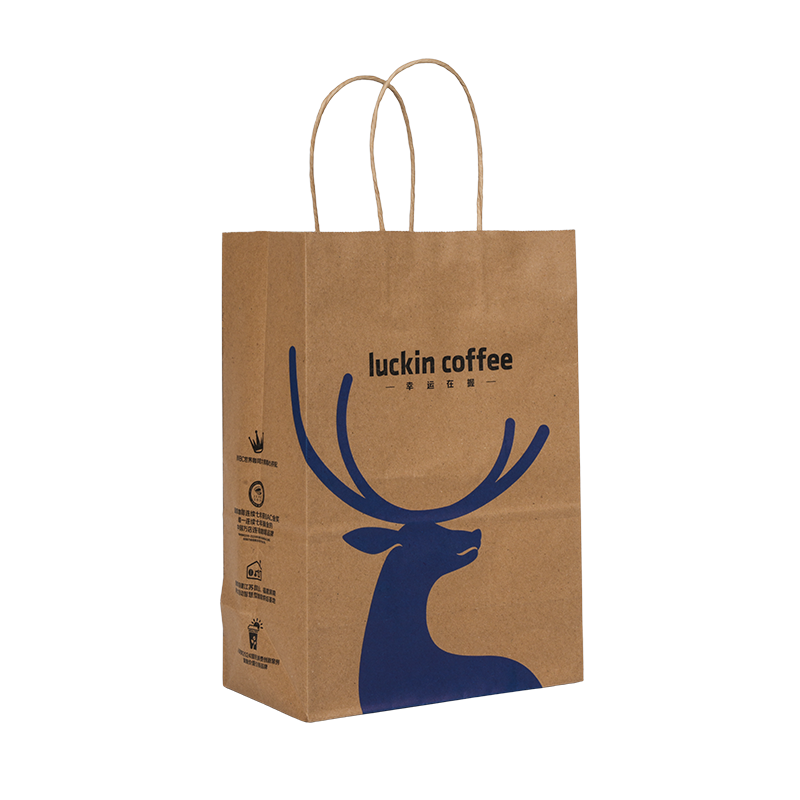
One of the significant advantages of semi-rigid kraft paper takeaway boxes is their excellent printability. The natural brown surface of kraft paper provides a rustic, authentic aesthetic that resonates well with artisanal, organic, and health-focused food brands. However, it can also be bleached white for a cleaner, more modern look if desired.
Branding Techniques
Restaurants can leverage various printing methods to enhance brand visibility:
- Flexographic Printing: Ideal for large runs, offering cost-effective full-color branding.
- Hot Stamping: Adds metallic foil accents for a premium feel, suitable for high-end dining.
- Embossing/Debossing: Creates tactile logos that enhance the unboxing experience without using ink.
The rigid structure of the box also serves as a better canvas for labels and stickers compared to flexible bags. This allows for clear display of nutritional information, heating instructions, and promotional QR codes, turning the packaging into an interactive marketing tool.
Practical Selection Criteria for Businesses
Choosing the right semi-rigid kraft paper takeaway box requires considering several practical factors to ensure functionality and cost-efficiency. Businesses should evaluate the specific types of food they serve, as different dishes have different packaging needs.
- Grease Resistance: For fried foods or oily dishes, ensure the box has an internal grease-proof lining or coating to prevent leakage and staining.
- Volume and Dimensions: Select sizes that minimize empty space to reduce heat loss and prevent food from shifting during transport. Common sizes range from 12oz to 32oz.
- Lid Security: Opt for boxes with tight-fitting lids or locking mechanisms to prevent accidental opening during delivery.
- Stackability: Ensure the design allows for stable stacking in delivery bags to maximize order capacity and maintain food temperature.
By carefully selecting the appropriate semi-rigid kraft paper takeaway box, businesses can enhance operational efficiency, reduce waste, and significantly improve the customer experience. The investment in quality packaging pays dividends through brand loyalty and reduced operational headaches associated with poor-quality containers.
Product Categories
Mainly engaged in various types of packaging boxes made of different materials and various paper products.


-
Email
[email protected]Phone Number
+86-15300896380 -
Address
No. 58 Hongmudan Road, Songjiang District, Shanghai, China -
Quick Links
Home About Us Service Industries News Contact -
Products
Food Packaging Cosmetic Packaging Gift Wrapping Apparel Packaging Home Textile Packaging Other Packaging Paper Packaging Boxes -
feel free to contact us

