
 English
  日本語
日本語  Français
  Español
  عربى
عربى  italiano
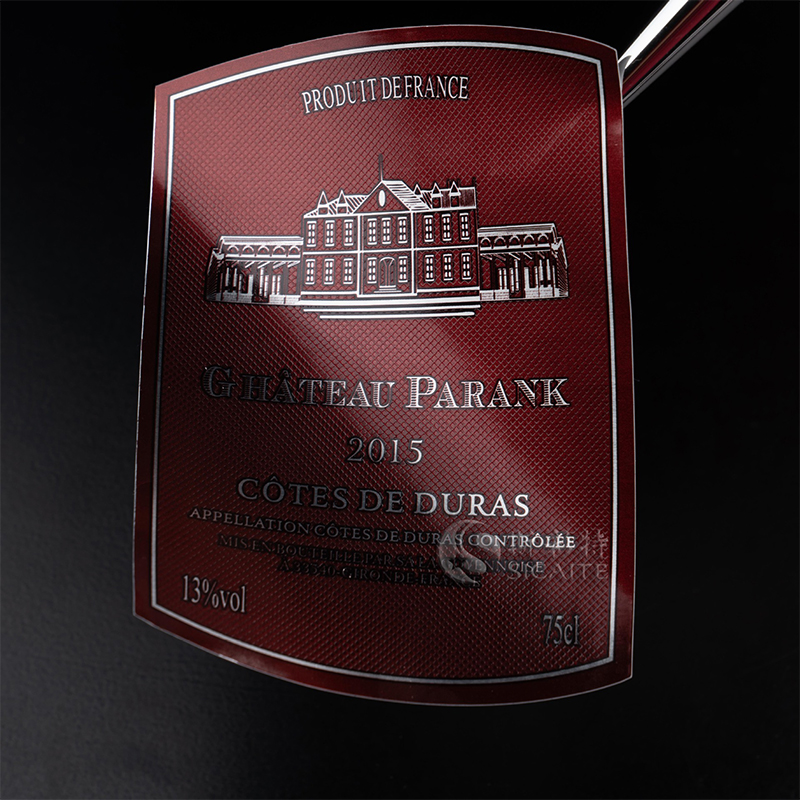
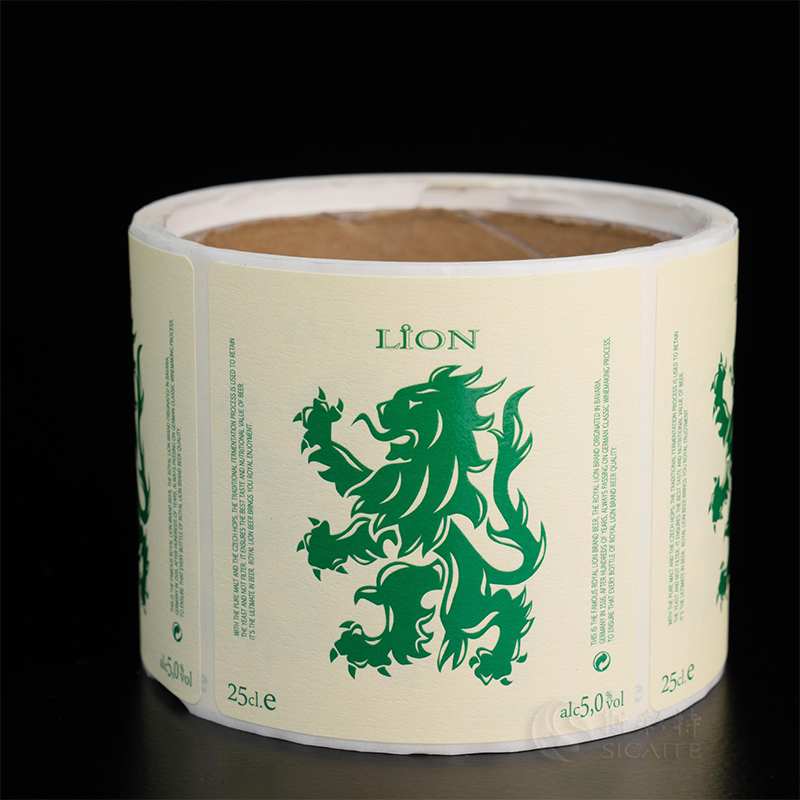
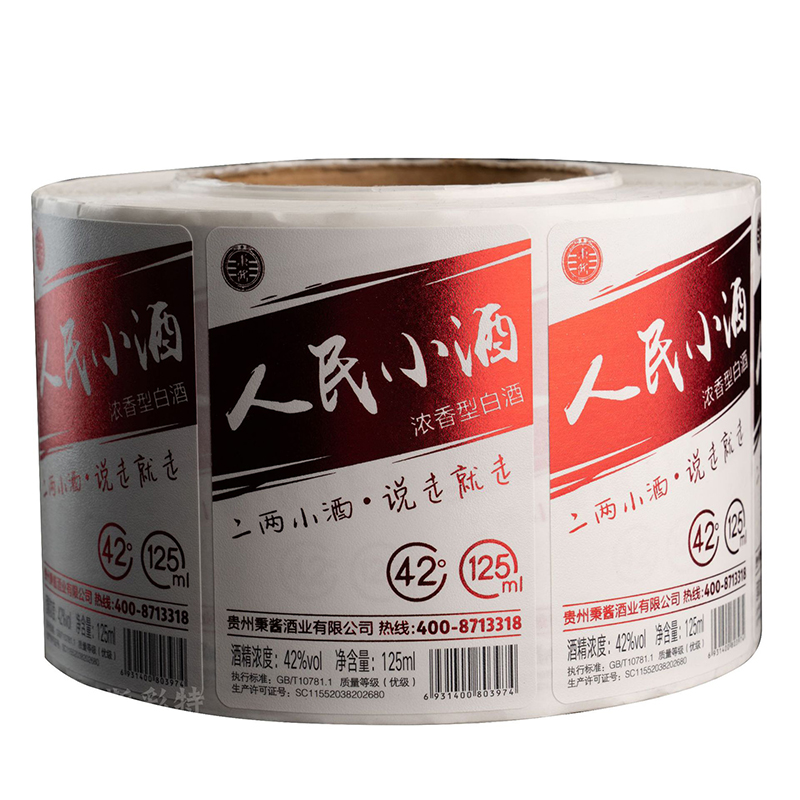
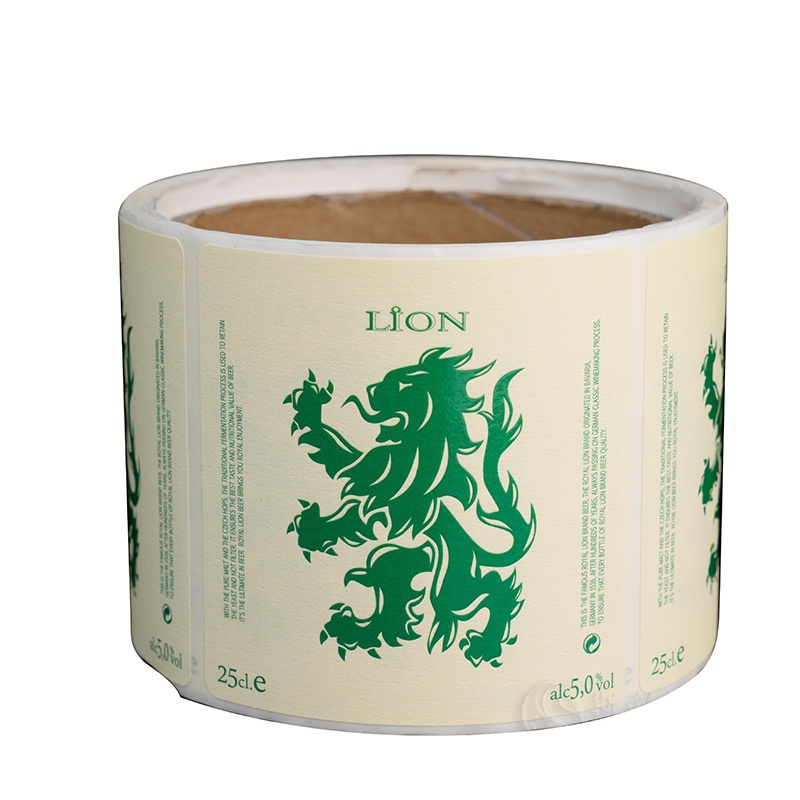
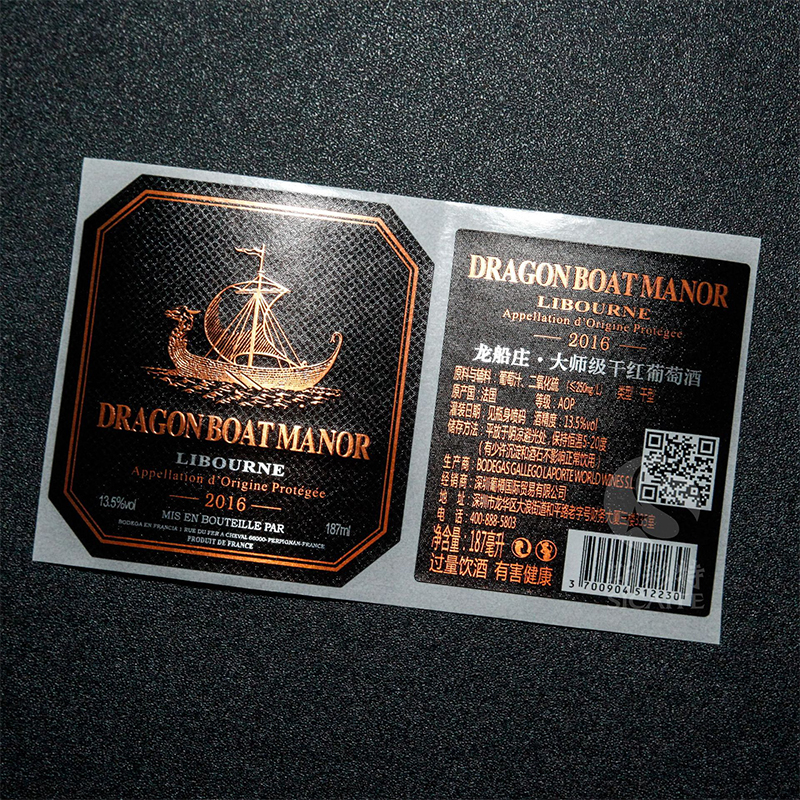
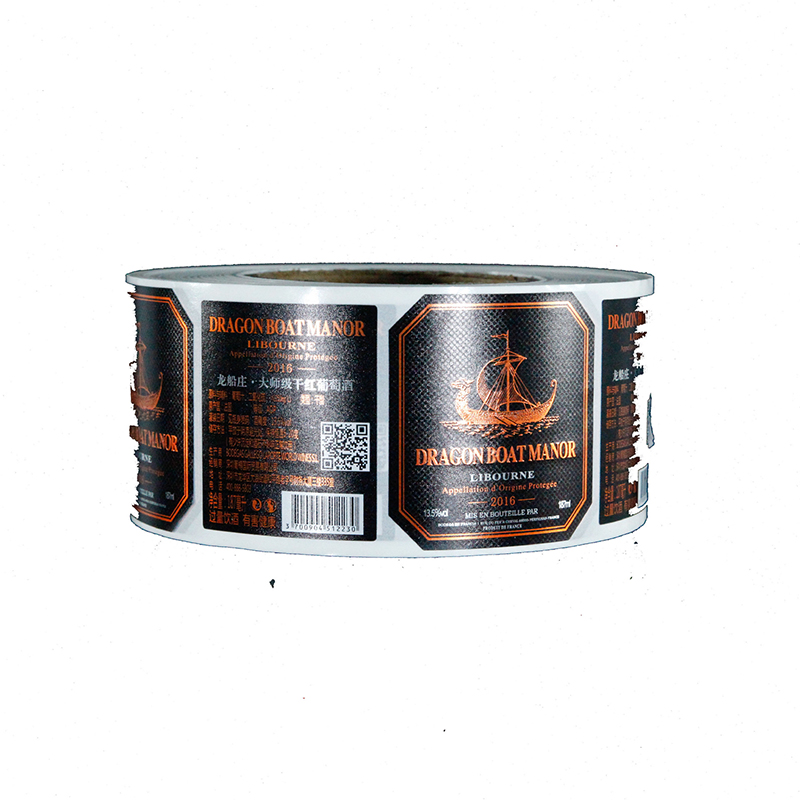
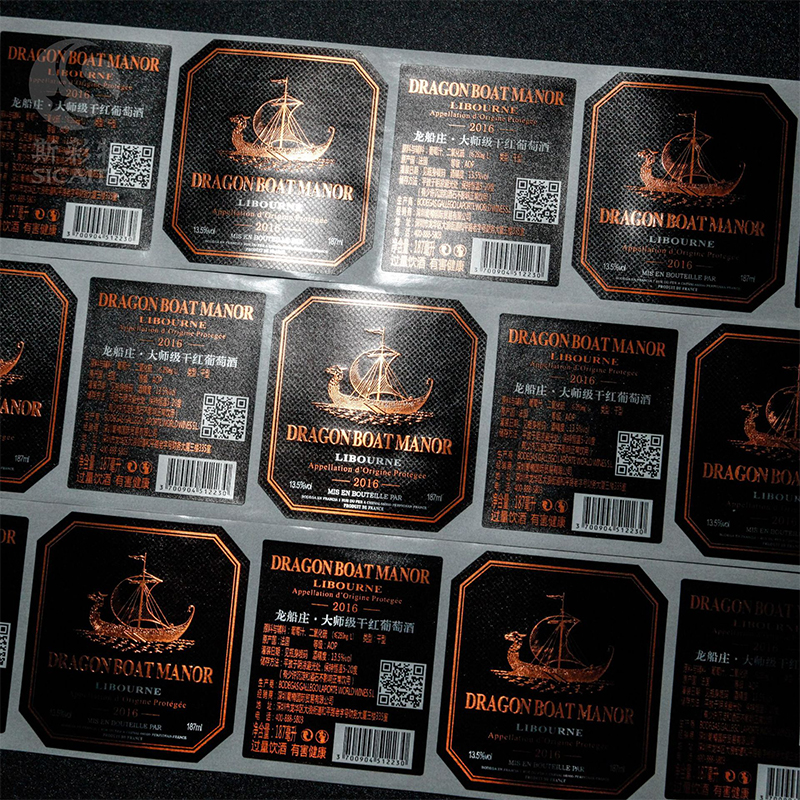
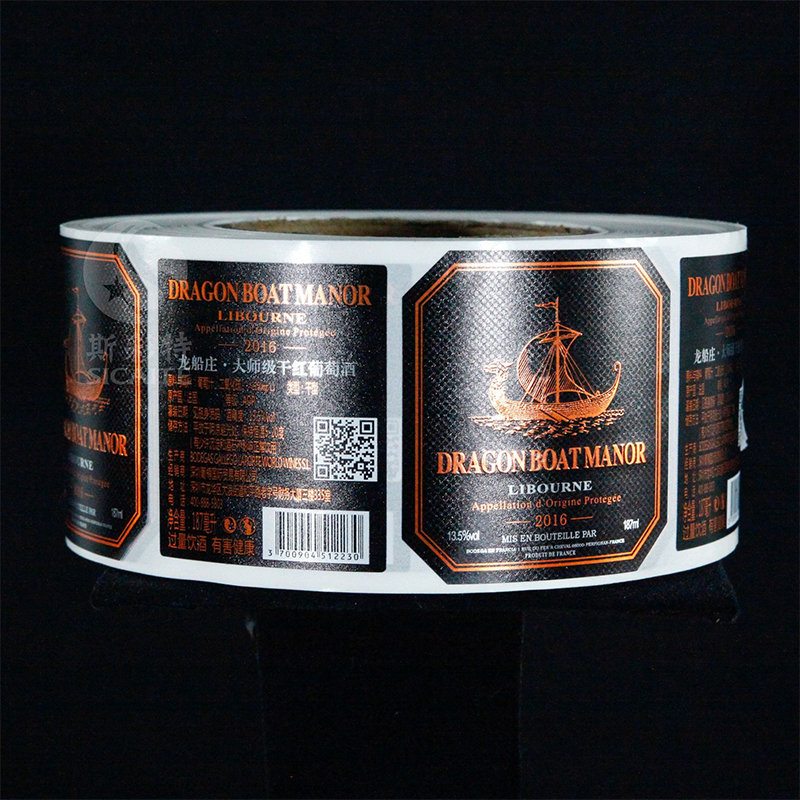
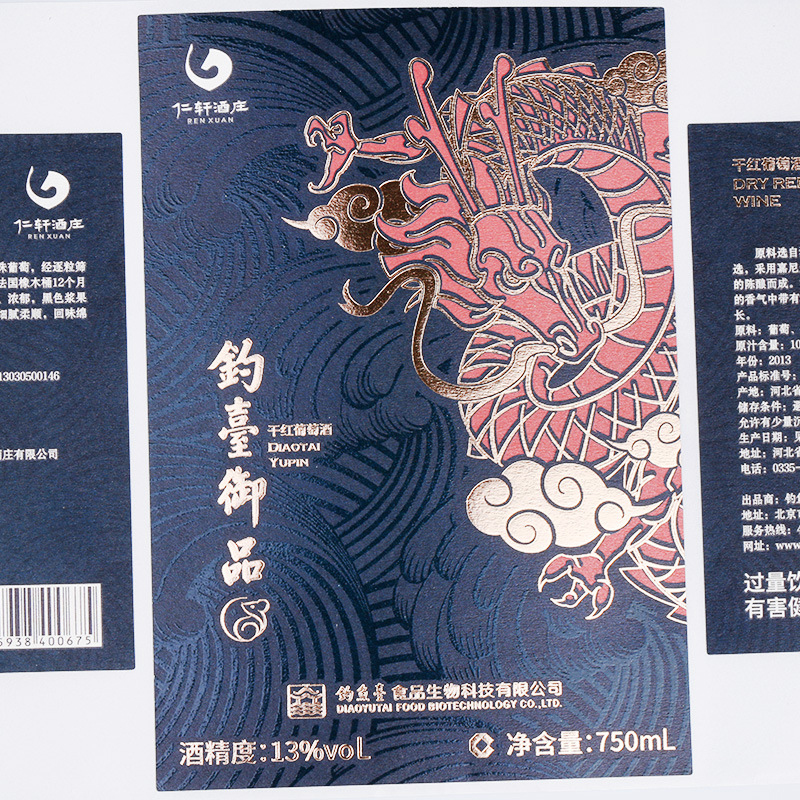
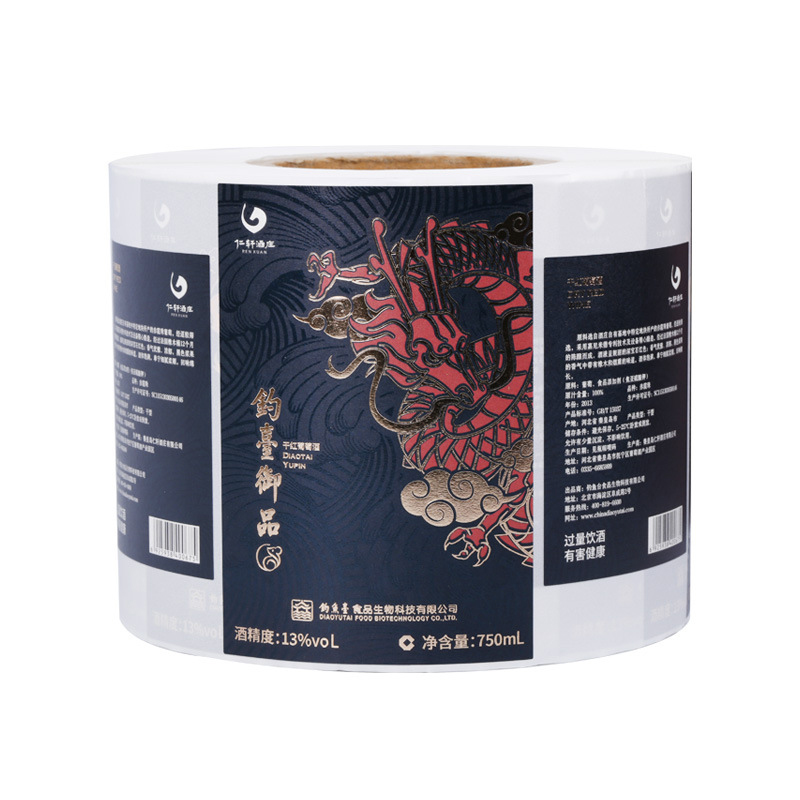
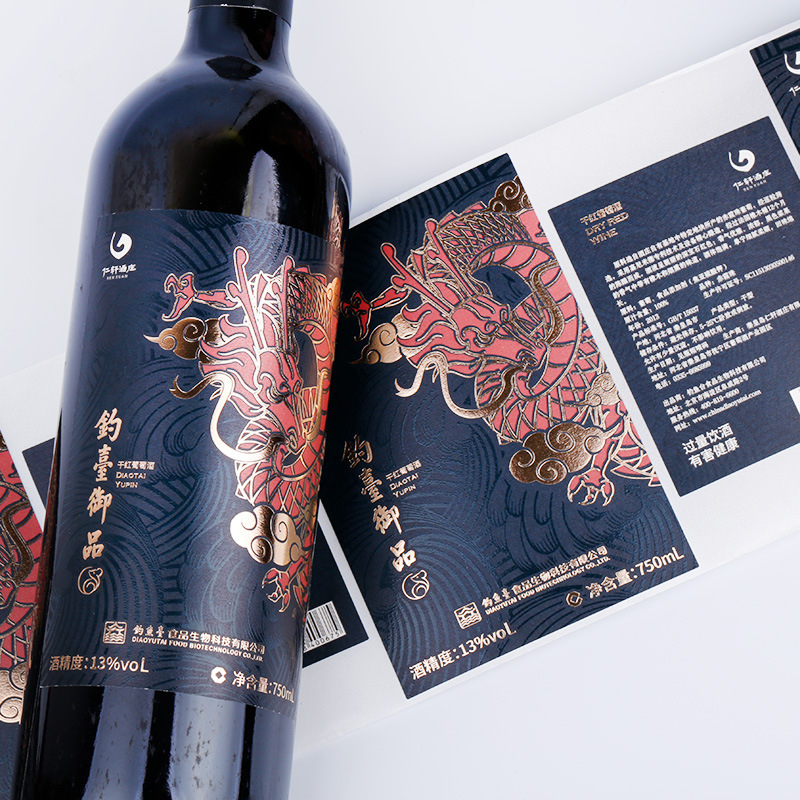
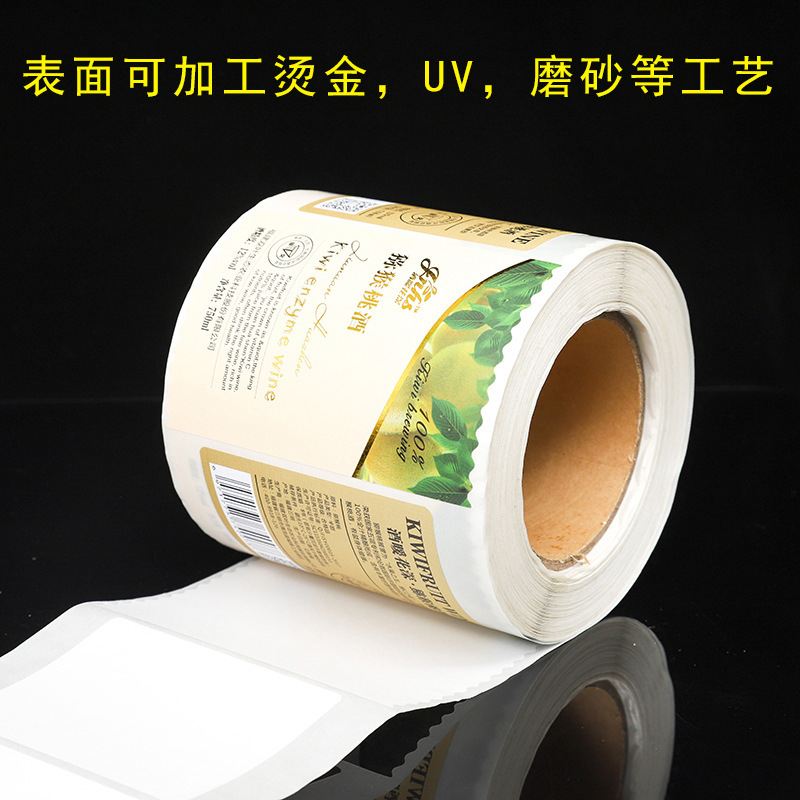
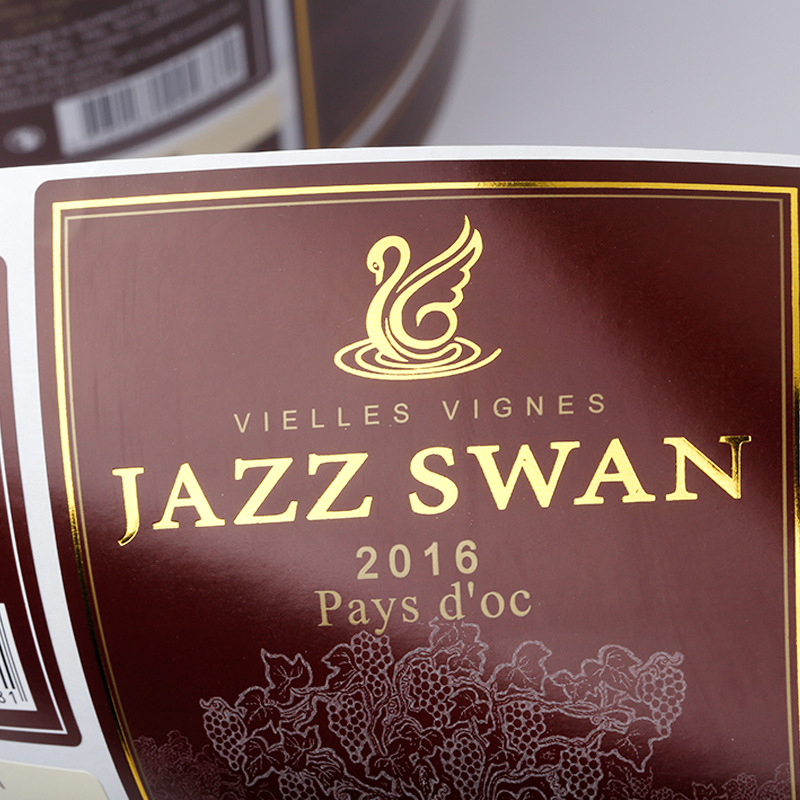
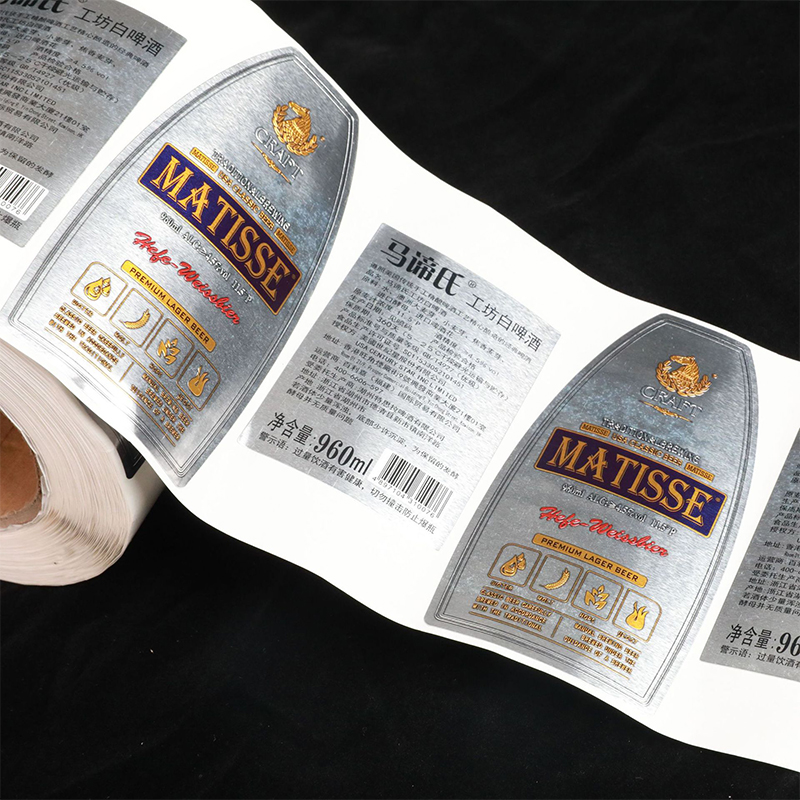
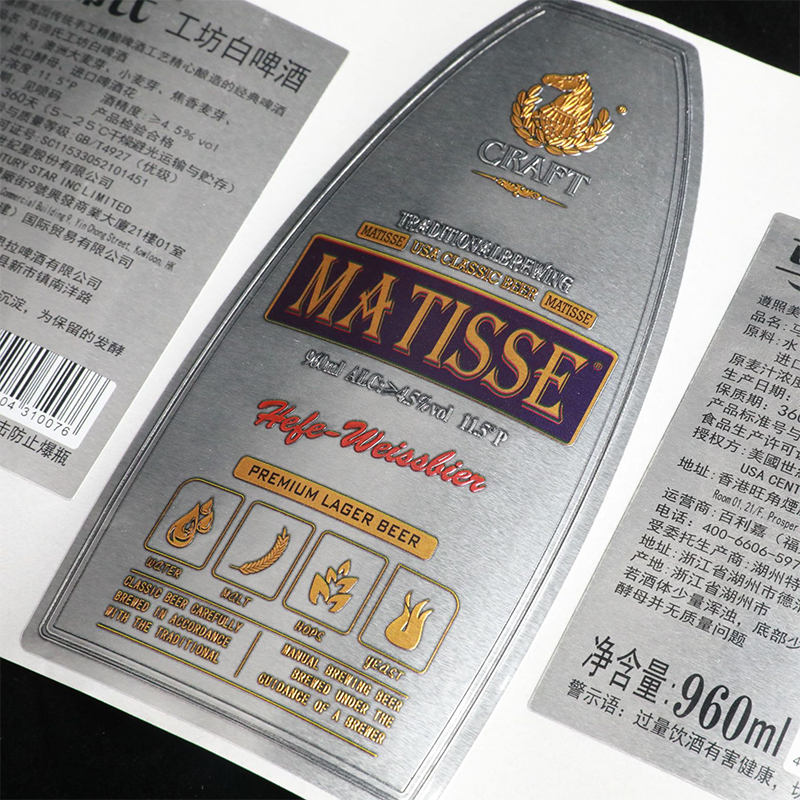
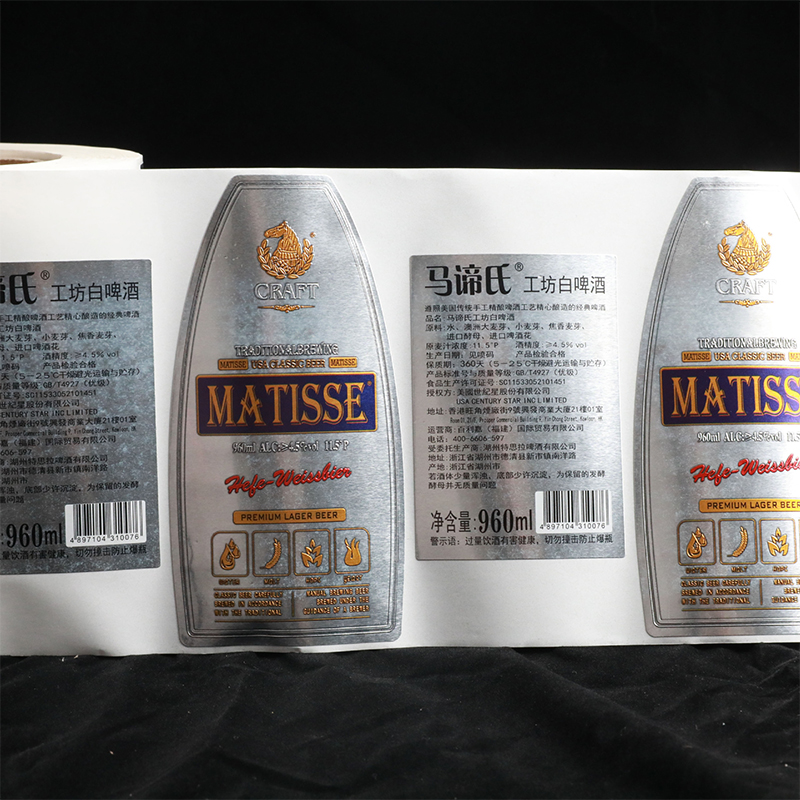
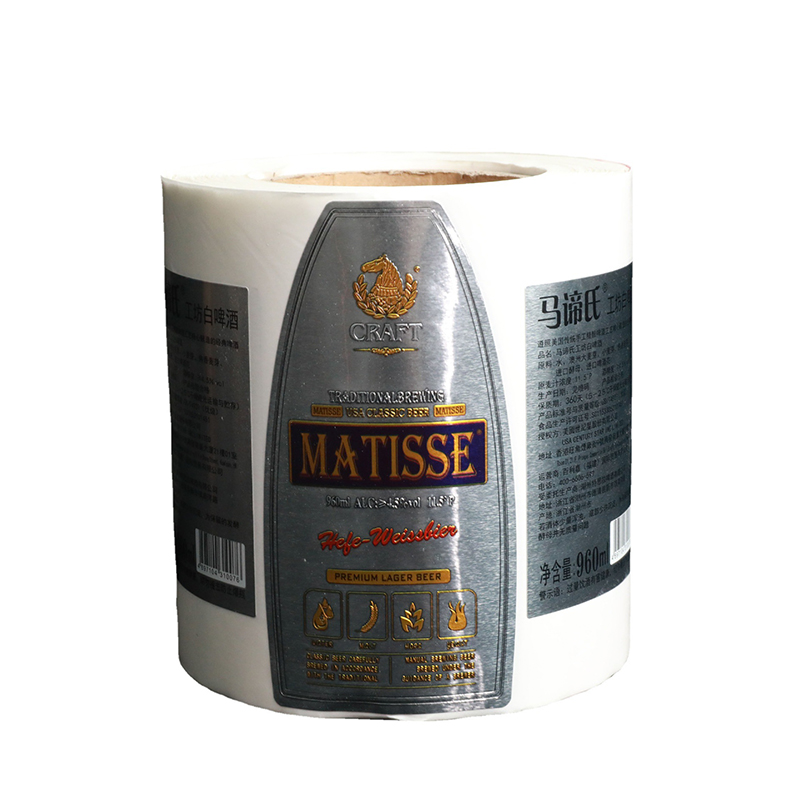
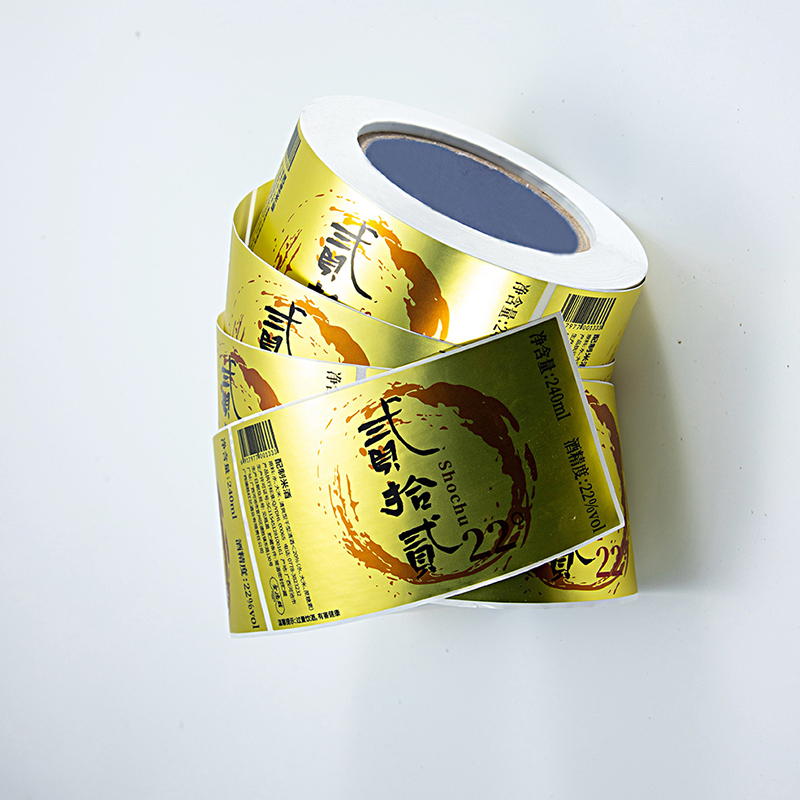
Production Capacity Guarantee – Large-Scale Production
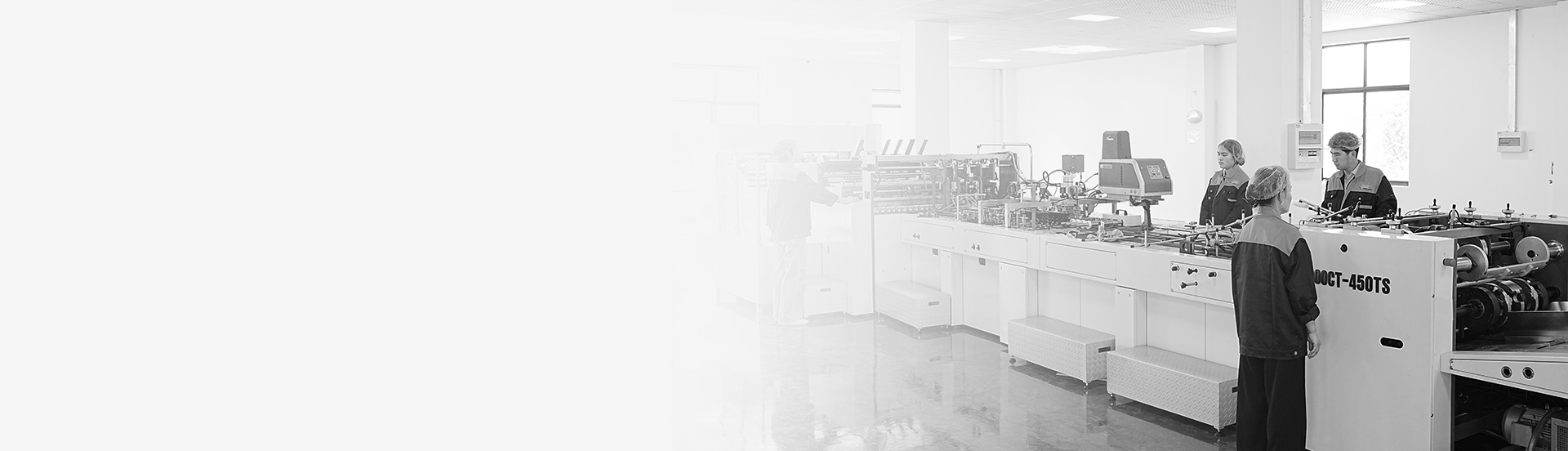
Our production base is located at No. 58 Hongmudan Road, Songjiang District, Shanghai, covering a workshop area of 13,000 square meters with a grand scale. Custom Wine Packaging Boxes Manufacturers and OEM Wine Packaging Boxes Factory in China. We have 180 employees and a newly built clean workshop, which can simultaneously meet customers’ large-scale production needs and quality requirements.
Advanced Personnel & Equipment – High Production Quality
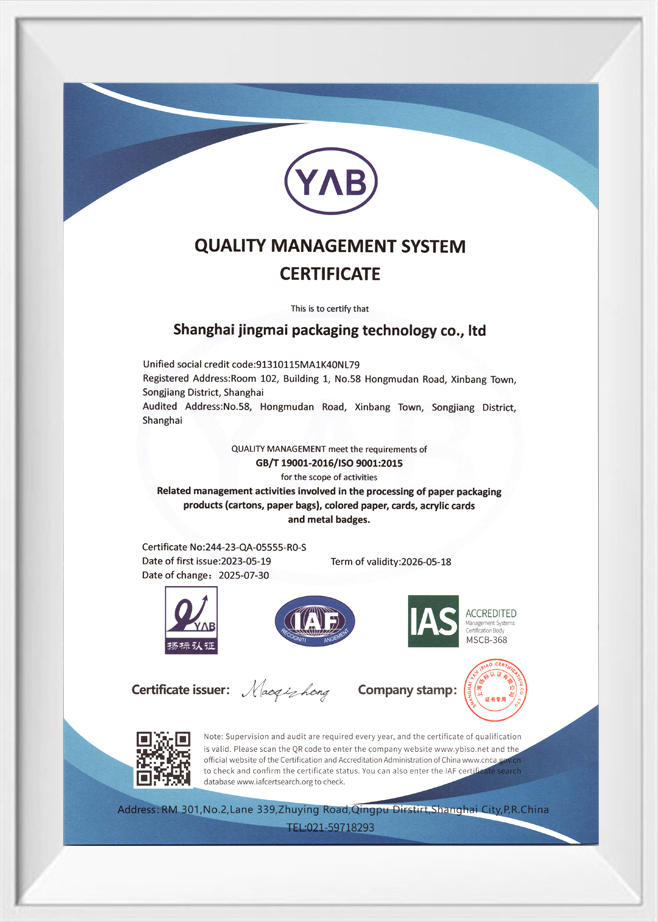
We are equipped with a complete set of advanced production equipment, including printing, automatic die-cutting, hot stamping, automatic film laminating, and automatic box-making machines. We also have comprehensive equipment for paper mounting, box gluing, and bag making. Certified by the ISO9001 international standard quality management system, we have a sound quality control system.
Rich Production Lines – Meeting Diverse Needs
We mainly operate various packaging boxes of different materials, such as boxes (tian di gai boxes), book-style boxes, drawer boxes, aircraft boxes, corrugated boxes, paper bags, double-door boxes, Wine Packaging Boxes custom, various customized special-shaped boxes, as well as various paper products, acrylic printed products, anime peripheral products, etc. We also provide a complete one-stop service from design, sampling, finalization, material selection, procurement, production to logistics.

Wine Packaging Boxes Factory
Wine Packaging Boxes Manufacturers
Pairing alcoholic beverages with various types of packaging boxes provides the core benefits of enhanced protection, improved scenario experience, and increased product value, making it more suitable for storage, gifting, and retail needs compared with the bottle alone.
1. Dual Protection: More Reliable Safeguarding of the Product
Upgraded Shock Absorption
Packaging boxes made of paper, wood, or leather can be equipped with foam, pearl cotton, or velvet liners. These materials help absorb impact during transportation and handling, offering better protection against drops and collisions than the bottle on its own.
Reinforced Sealing and Light Blocking
Some packaging boxes feature additional sealing structures that work together with the bottle’s original closure to further isolate air and moisture, reducing oxidation. Light-blocking materials also help shield the contents from UV exposure, protecting both flavor and color.
Dust and Stain Prevention
The packaging prevents dust, fingerprints, and stains from accumulating on the bottle’s surface, making it suitable for long-term storage or display while maintaining product cleanliness.
2. Scenario Adaptation: Suitable for Multiple Use Cases
Enhanced Gifting Experience
Gift boxes can incorporate hot stamping, engraving, or embroidery, paired with matching hand-held bags. Some can also display greetings or corporate logos, fitting festival gifting, business occasions, and wedding favors, and enhancing the sense of ceremony.
Organized Storage
Packaging boxes help keep bottles upright and stable, reducing the chance of tipping. They are suitable for home bar storage, wine cellar arrangement, and retail display.
More Convenient to Carry
Packaging boxes with handles eliminate the need for an additional bag, making them easy to carry after purchase and reducing the risk of leakage or breakage during short-distance transport.
3. Value Enhancement: Supporting Sales and Branding
Elevated Product Perception
Products of similar quality appear more premium when paired with a refined packaging box such as a wooden or leather case, supporting higher pricing and differentiating them from standard mass-market options.
Richer Information Delivery
Packaging boxes can present more content than bottle labels, including brand stories, origin, brewing techniques, and tasting guidance, helping consumers better understand product value.
Stronger Brand Recognition
Unique packaging designs—such as signature colors or creative box shapes—boost brand memorability and make the product stand out on the shelf.
About Us
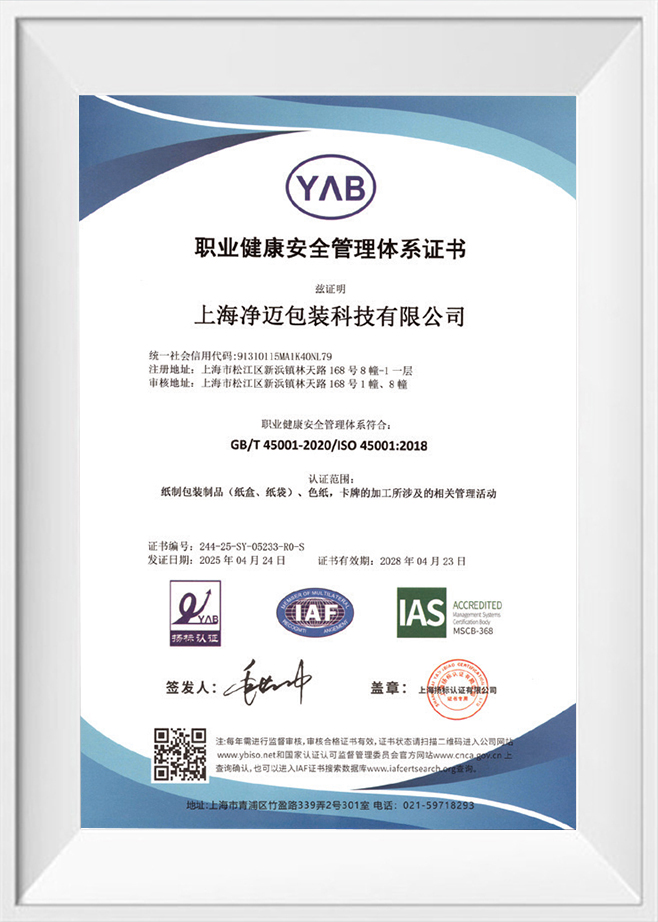
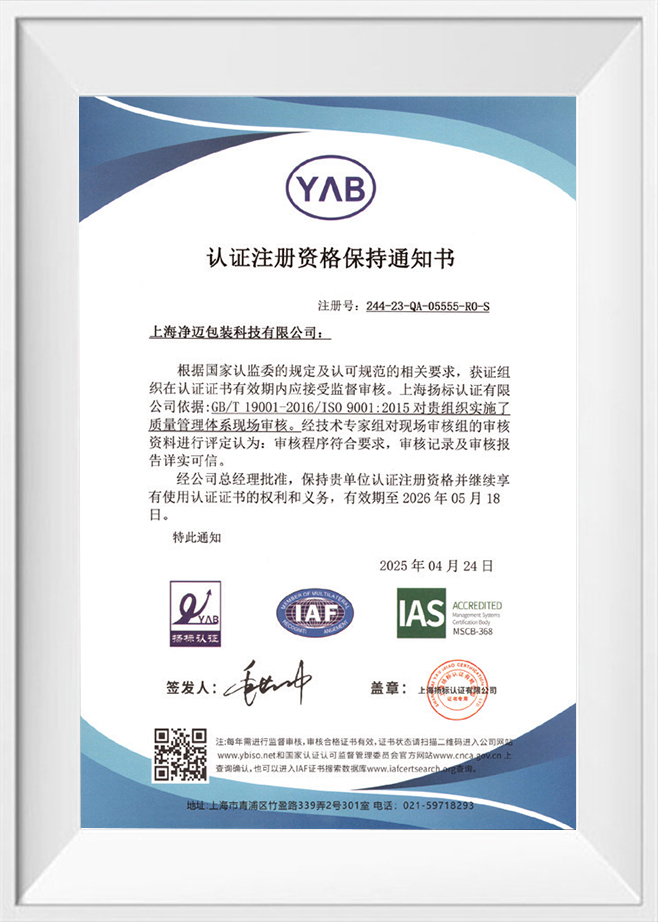
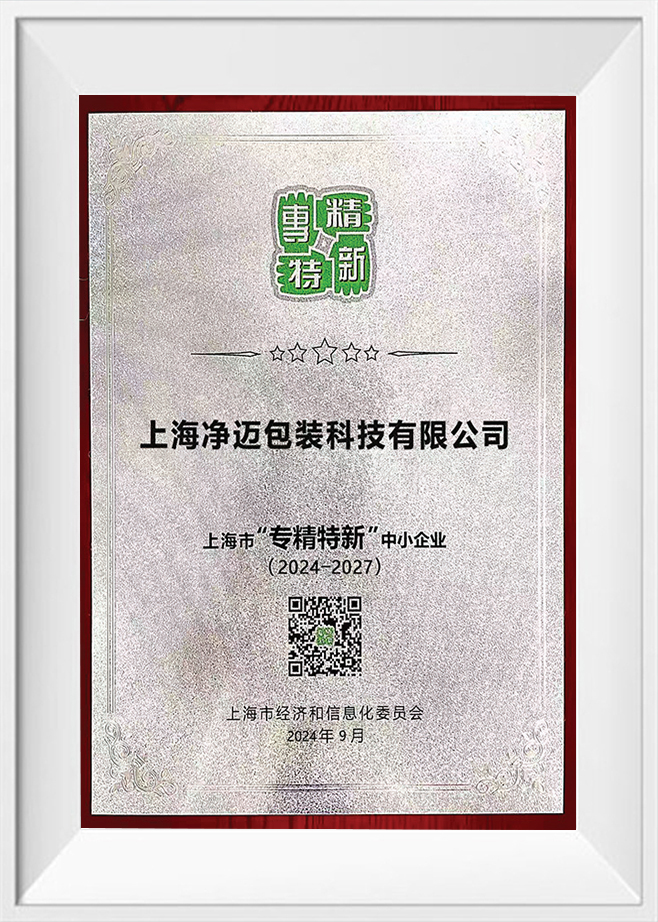
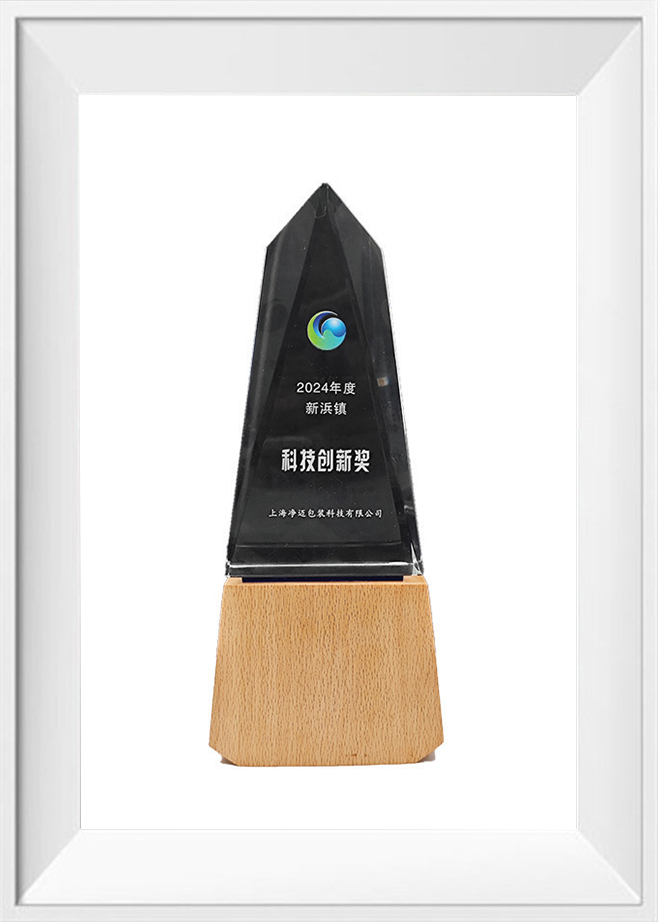
Shanghai Jingmai Packaging Technology Co., Ltd.
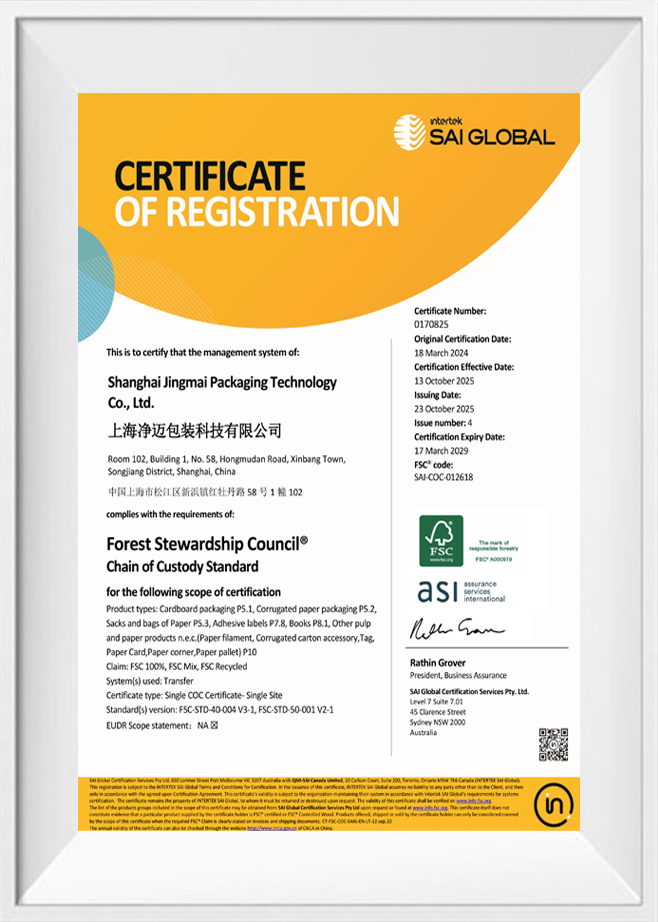
Certificate Of Honor
News
-
Market Forces Driving the Food Packaging Box Industry The global Food Packaging Box market is experiencing accelerated growth due to changing consumer lifestyles, rapid urbanization, and the expansion of food delivery services. Increasing demand for convenience foods, ready-to-eat meals, and e-commerce grocery platform...
Read More -
In today's highly competitive fashion industry, a clothing brand's success depends not only on the quality of its products but also on the way it presents itself to consumers. One often-overlooked aspect of this presentation is apparel packaging. Apparel packaging boxes serve as the first physical touchpoint a consumer...
Read More -
Cosmetic products, whether they are skincare items, makeup, or hair care solutions, are highly sensitive to environmental factors such as light, air, temperature, and humidity. These factors can negatively impact the quality, effectiveness, and shelf life of products. Cosmetic packaging boxes, which are the first line ...
Read More -
Understanding the Role of Apparel Packaging in Modern Retail Apparel packaging has evolved far beyond its traditional role of protecting garments during transportation. In today’s competitive retail environment, packaging acts as a silent salesperson, shaping customer perceptions before a product is even touched. Premi...
Read More
Message Feedback
Industry knowledge
Compression Resistance and Long-Term Storage Stability
For wine packaging boxes, compression resistance is not only about surviving transportation but also about maintaining shape during long-term storage. Warehouses often stack wine cartons for months, and insufficient structural design can lead to gradual deformation. Practical solutions include double-layer bottom panels, reinforced vertical edges, and optimized corrugated directions for outer cartons. In our mass-production environment, we often test stacking strength under simulated warehouse conditions to ensure that box performance remains stable over time.
This focus on structural endurance helps reduce downstream claims and supports consistent supply for distributors handling large inventories.
Bottle Neck Support and Impact Control
One overlooked aspect of wine packaging boxes is bottle neck support. During drops or sudden stops, impact forces concentrate around the neck and shoulder of the bottle. Well-designed paperboard inserts can lock the neck in place while allowing limited flex to absorb shock. With high-precision automatic die-cutting, these inserts can be produced consistently at scale. From our experience, improving neck fixation often reduces breakage rates more effectively than simply thickening outer box walls.
- Neck-lock tabs prevent horizontal bottle movement.
- Suspended bottom designs reduce direct impact transmission.
- Flexible paper inserts balance protection and recyclability.
Material Pairing for Premium and Export Markets
Wine packaging boxes for premium or export markets often require careful material pairing rather than relying on a single high-grade board. Combining rigid inner structures with refined outer wrapping papers allows brands to achieve both protection and visual appeal. Textured papers, for example, can elevate perceived value while the internal board handles load stress. In our OEM projects, this layered approach is frequently used to balance performance, cost, and branding needs.
Common Material Pairing Logic
- High-density greyboard for internal load-bearing.
- Specialty paper wraps for tactile and visual enhancement.
- Film lamination for moisture and abrasion resistance.
Process Compatibility and Automation Efficiency
From a manufacturing standpoint, wine packaging boxes must be designed with process compatibility in mind. Structures that align with automatic box-making and gluing equipment significantly improve consistency and output speed. Designs that require excessive manual adjustment increase variability and labor cost. With a 13,000-square-meter workshop and a full set of automated machines, we prioritize designs that flow smoothly through printing, die-cutting, laminating, and forming stages.
| Process Factor | Production Result | Client Benefit |
| Automation-Friendly Design | Higher daily output | Shorter lead times |
| Stable Glue Application | Lower defect rate | Consistent box quality |
Quality Monitoring Under ISO Management Systems
Under ISO9001 management systems, quality control for wine packaging boxes emphasizes process monitoring rather than relying solely on final inspection. Key checkpoints include die-line accuracy, adhesive curing consistency, and surface finish durability. Clean workshop conditions further reduce contamination risks, which is particularly important for dark or matte-finished wine boxes where defects are easily visible. By combining automated equipment with experienced operators, we aim to keep quality stable even during high-volume OEM production.
This systematic approach supports long-term cooperation with wine brands that require dependable packaging performance across multiple production cycles.

-
Email
[email protected]Phone Number
+86-18001758207 -
Address
No. 58 Hongmudan Road, Songjiang District, Shanghai, China -
Quick Links
Home About Us Service Industries News Contact -
Products
Food Packaging Cosmetic Packaging Gift Wrapping Apparel Packaging Home Textile Packaging Paper Packaging Boxes -
feel free to contact us
Copyright ©
Shanghai Jingmai Packaging Technology Co., Ltd.
All Rights Reserved.
Custom Wine Packaging Factory

