

 English
  日本語
日本語  Français
  Español
  عربى
عربى  italiano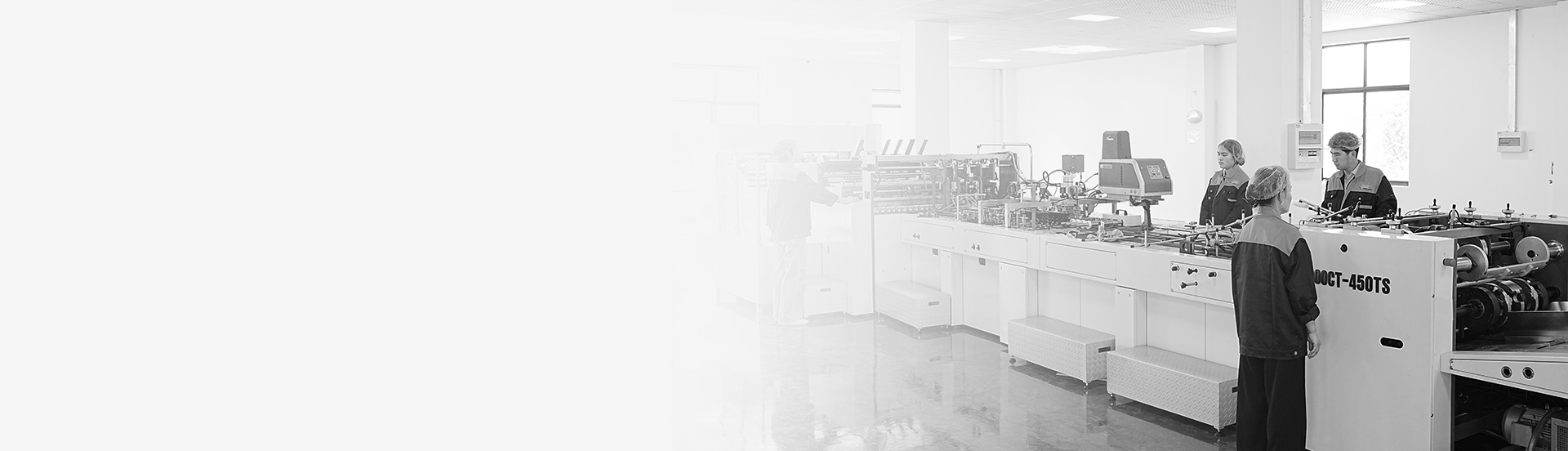
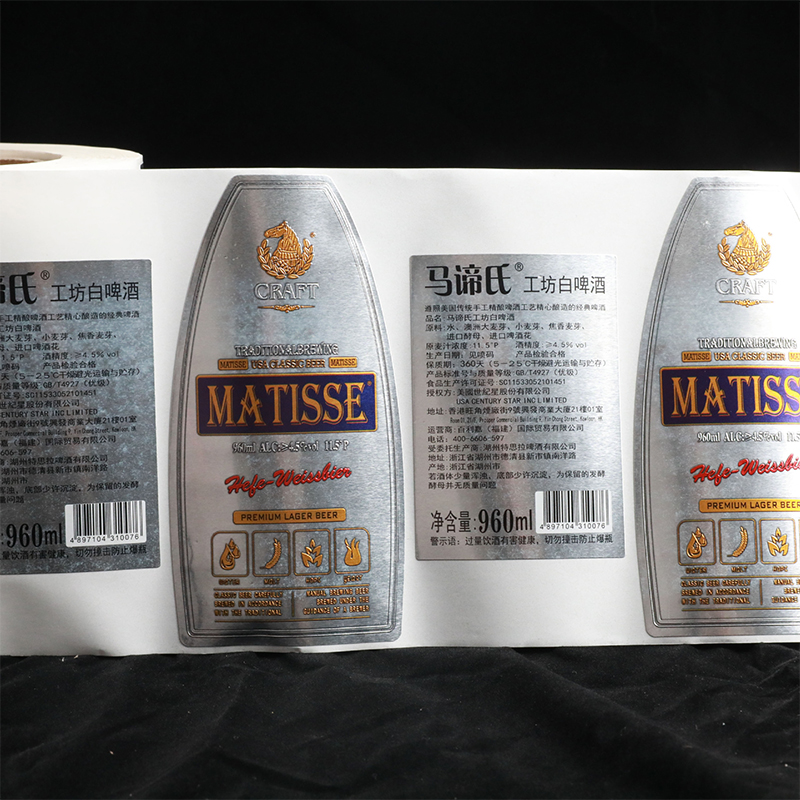
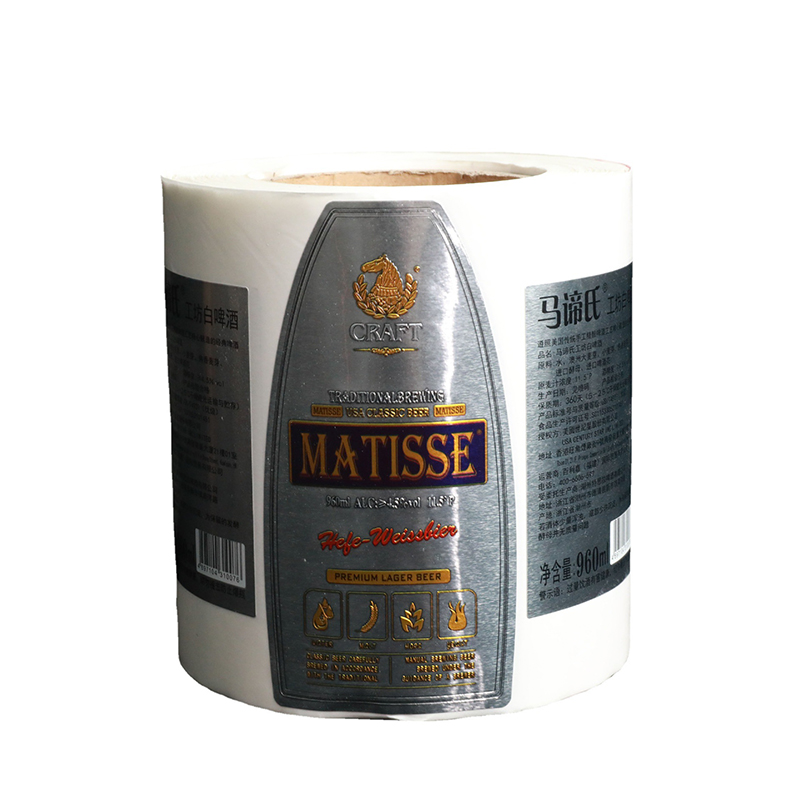
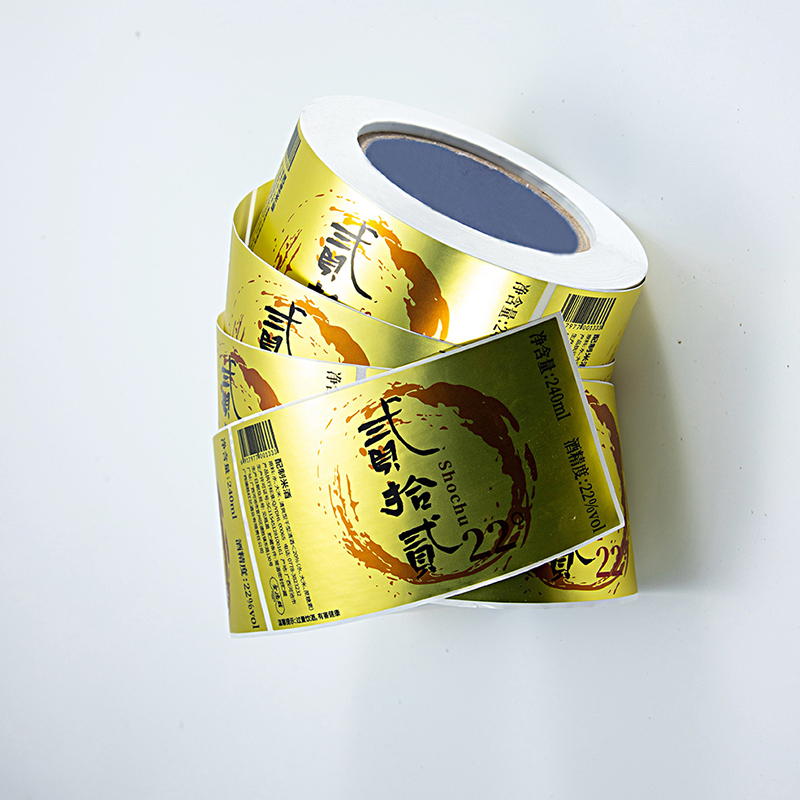
Production Capacity Guarantee – Large-Scale Production
Our production base is located at No. 58 Hongmudan Road, Songjiang District, Shanghai, covering a workshop area of 13,000 square meters with a grand scale. We have 180 employees and a newly built clean workshop, which can simultaneously meet customers’ large-scale production needs and quality requirements.
Advanced Personnel & Equipment – High Production Quality
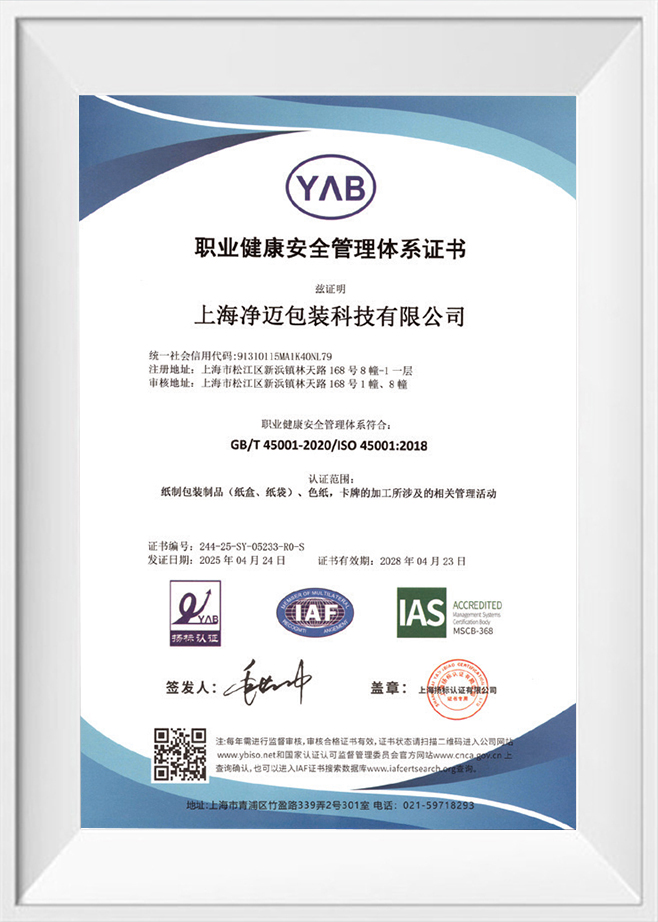
We are equipped with a complete set of advanced production equipment, including printing, automatic die-cutting, hot stamping, automatic film laminating, and automatic box-making machines. We also have comprehensive equipment for paper mounting, box gluing, and bag making. Certified by the ISO9001 international standard quality management system, we have a sound quality control system.
Rich Production Lines – Meeting Diverse Needs
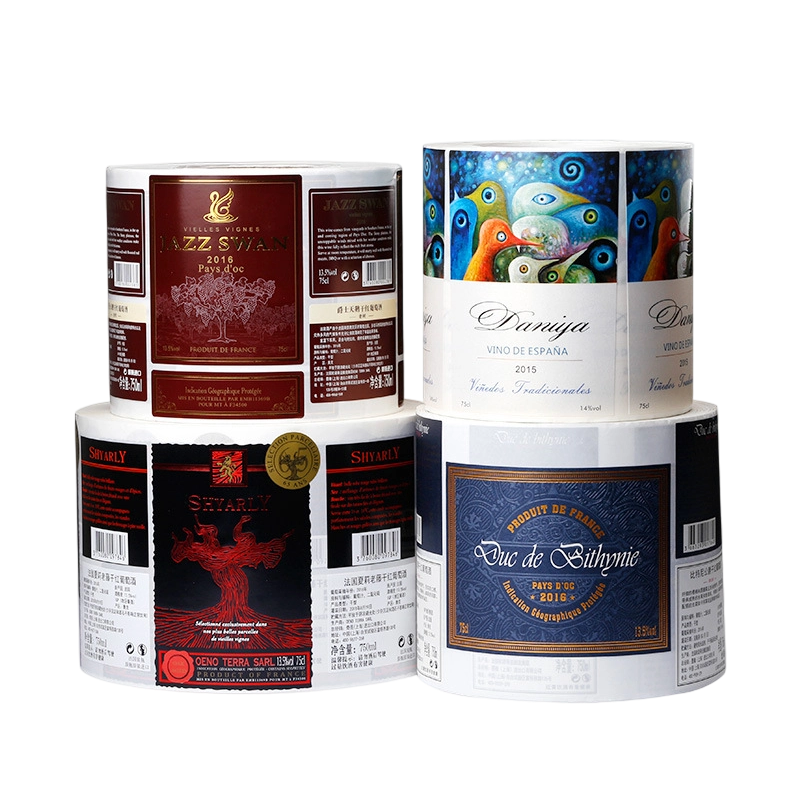
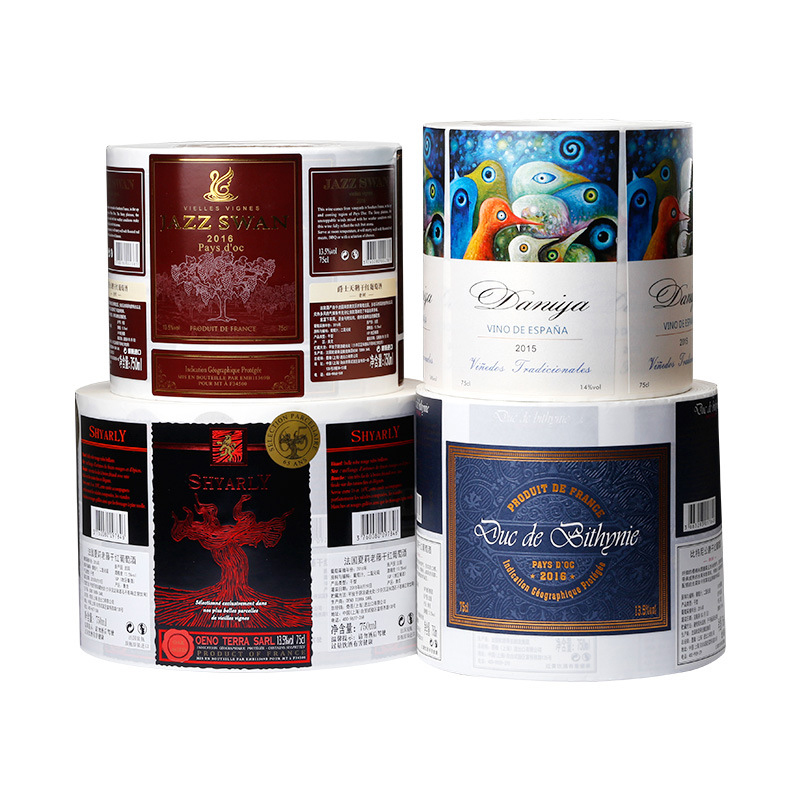
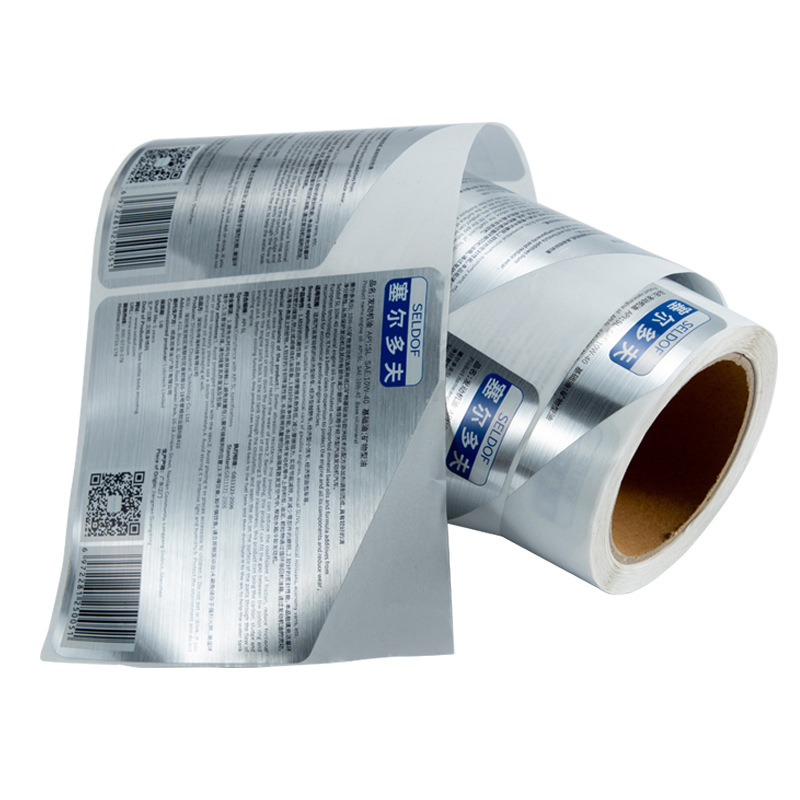
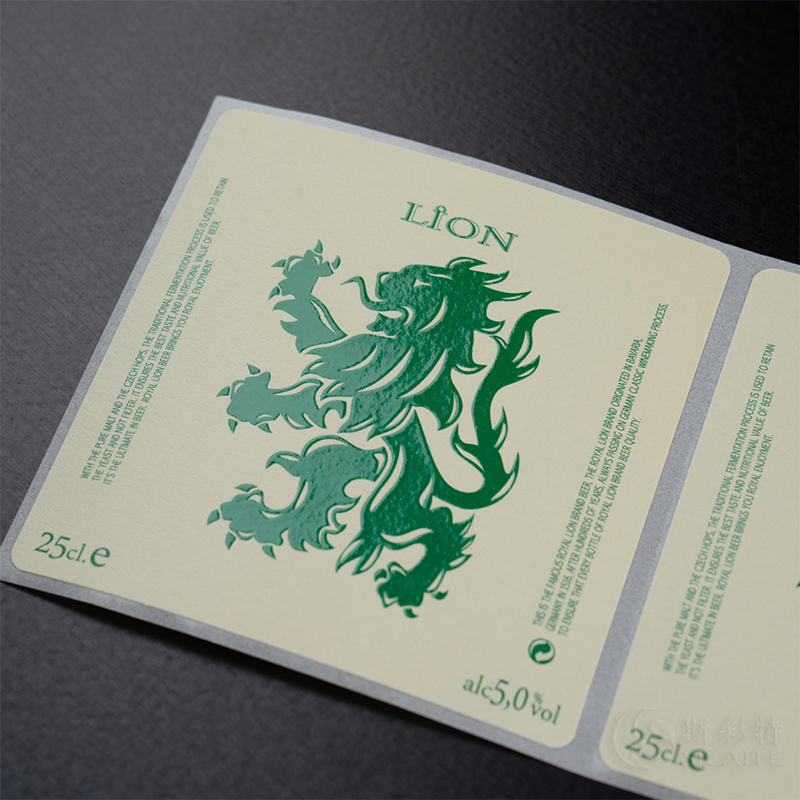
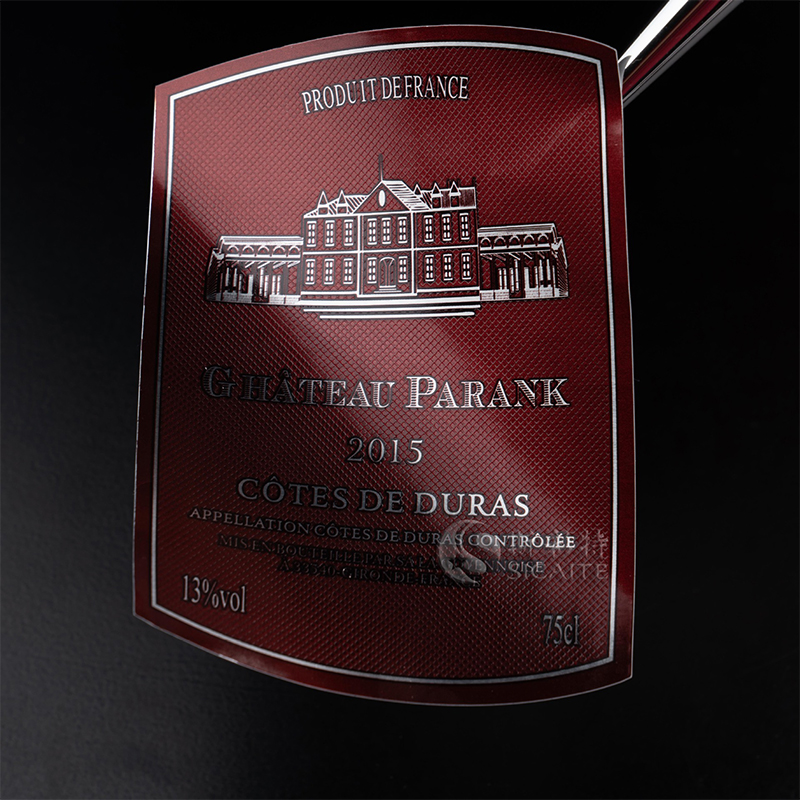
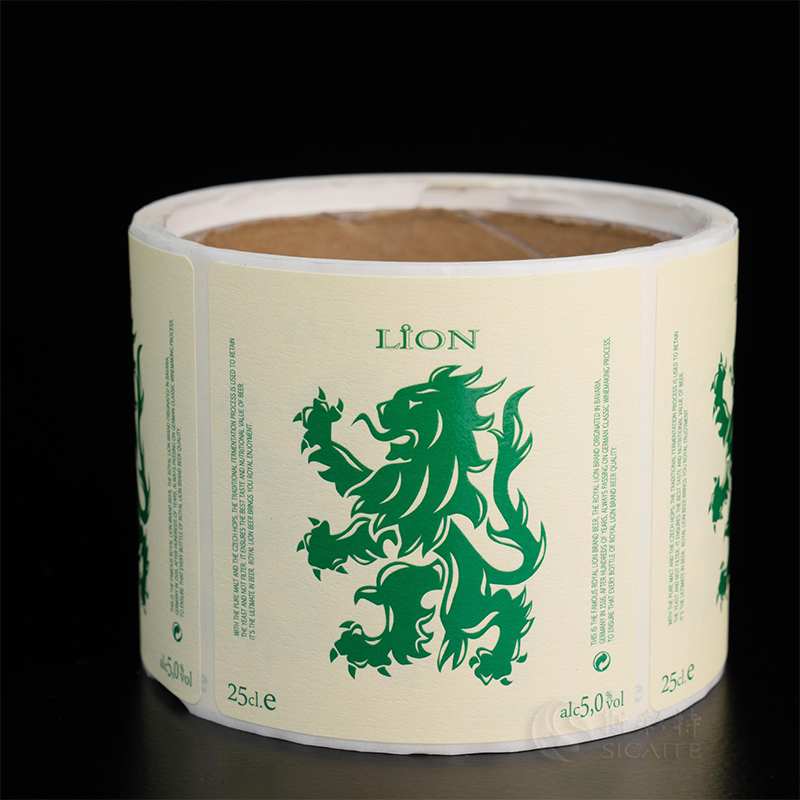
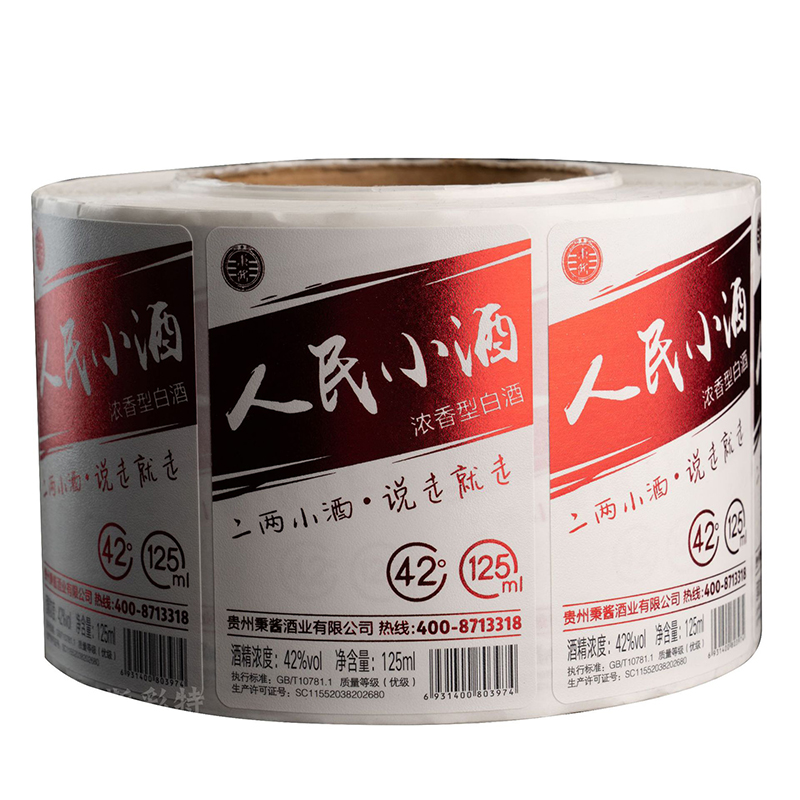
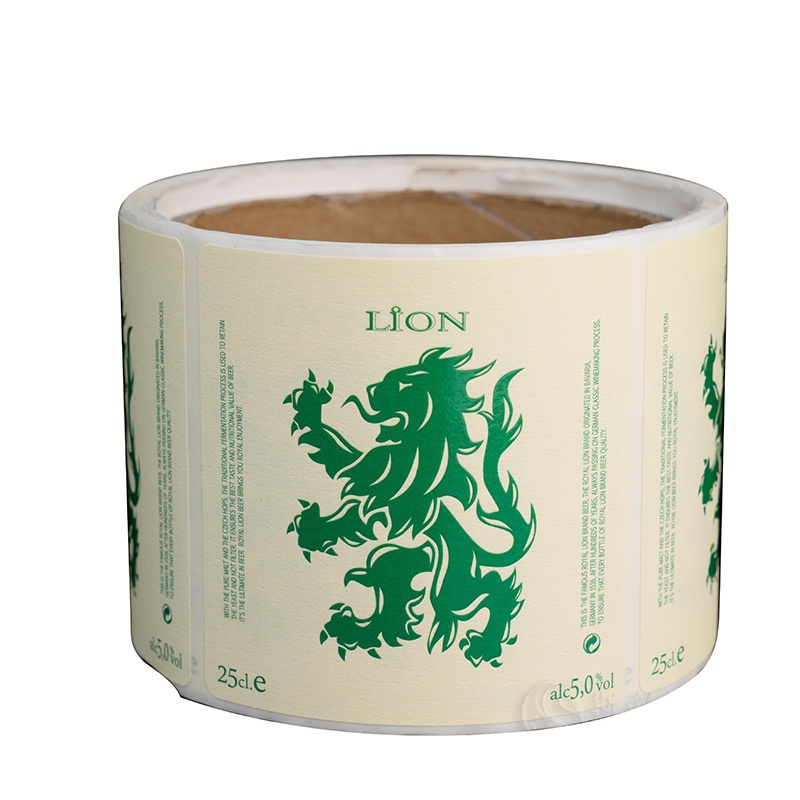
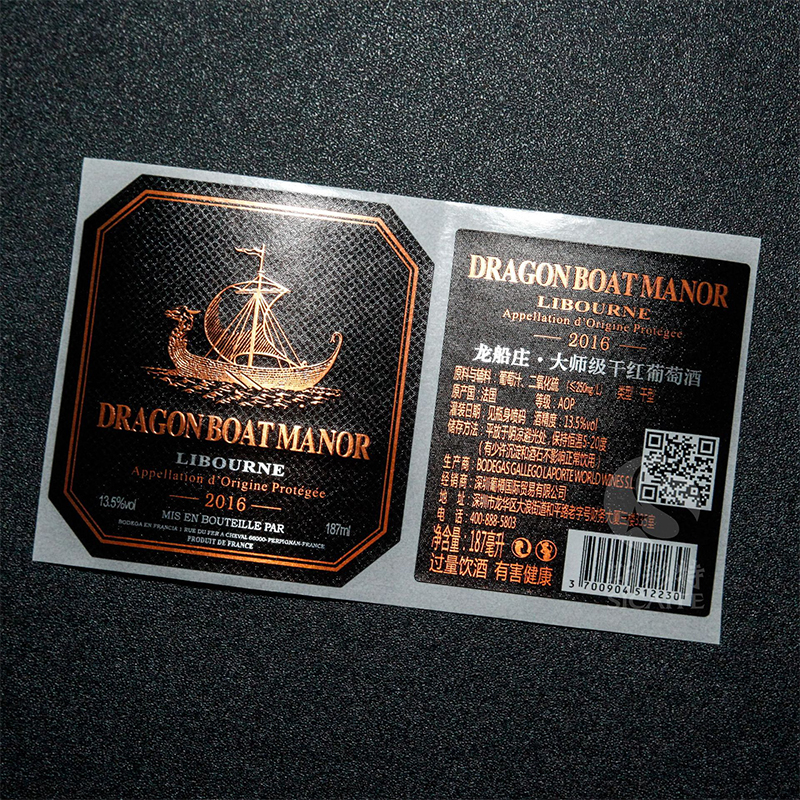
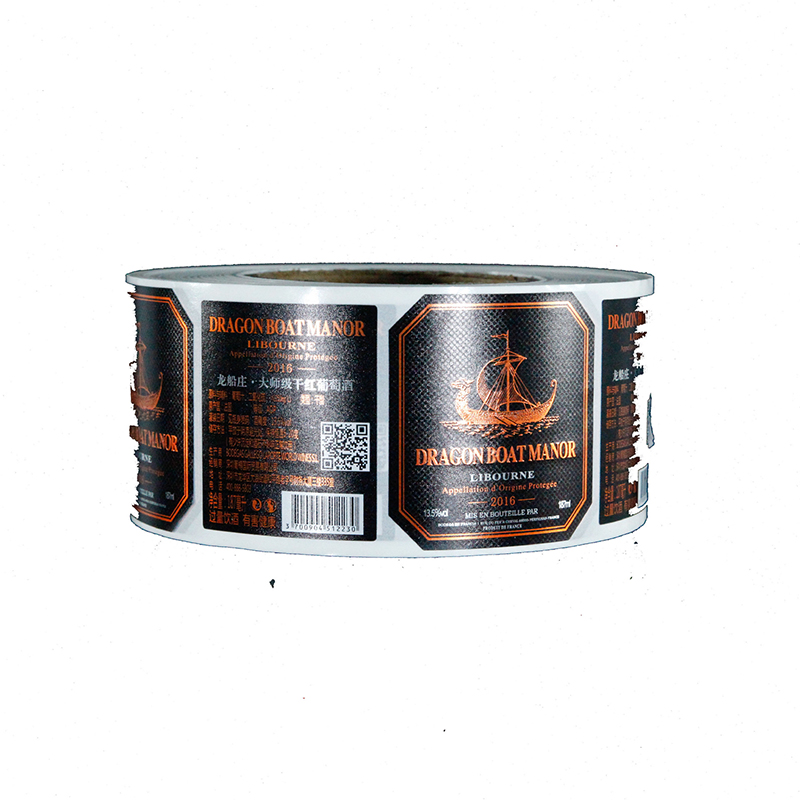
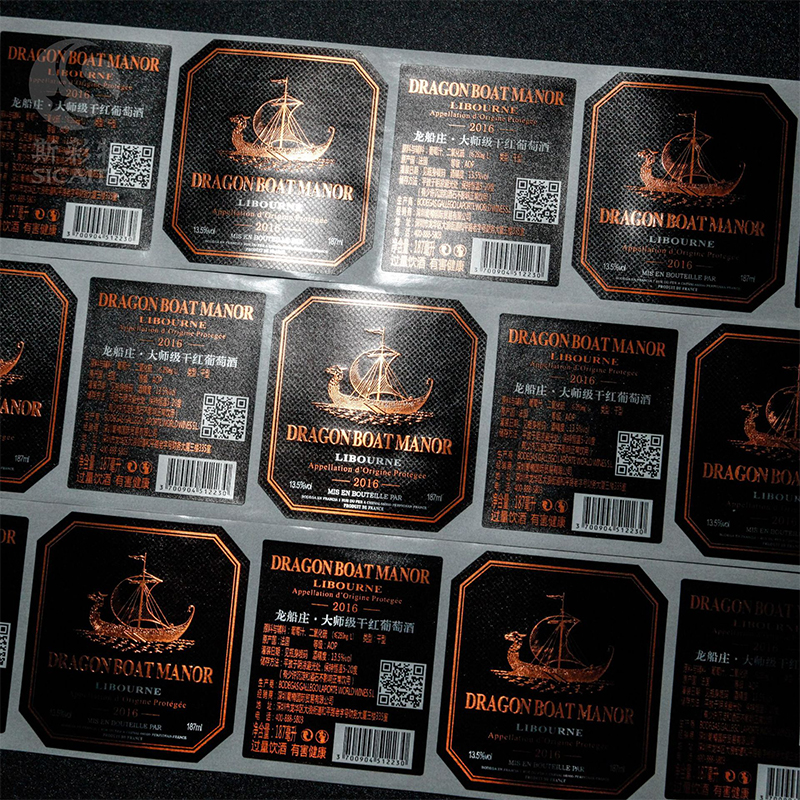
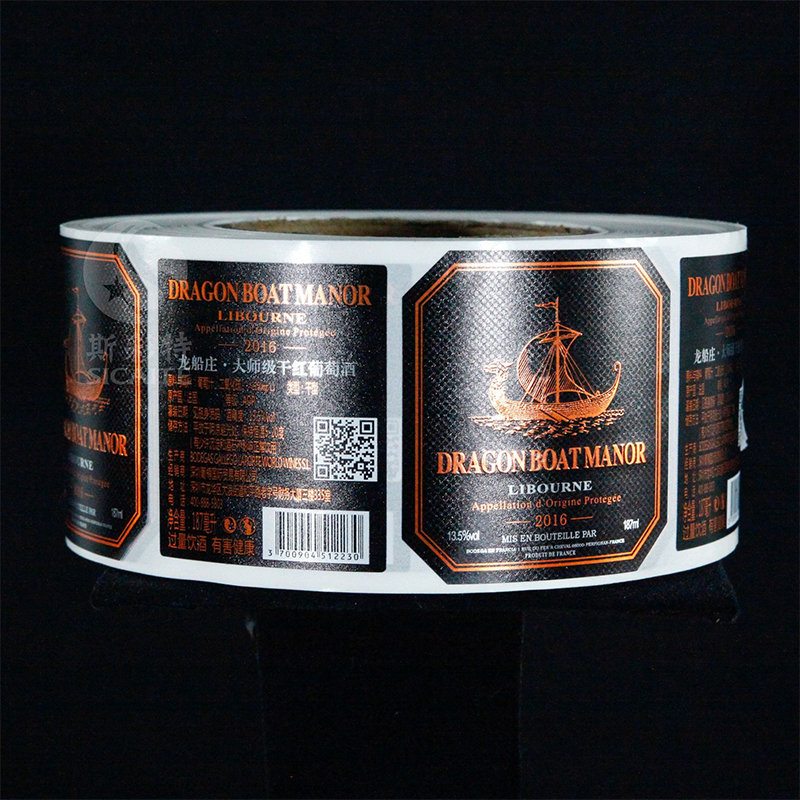
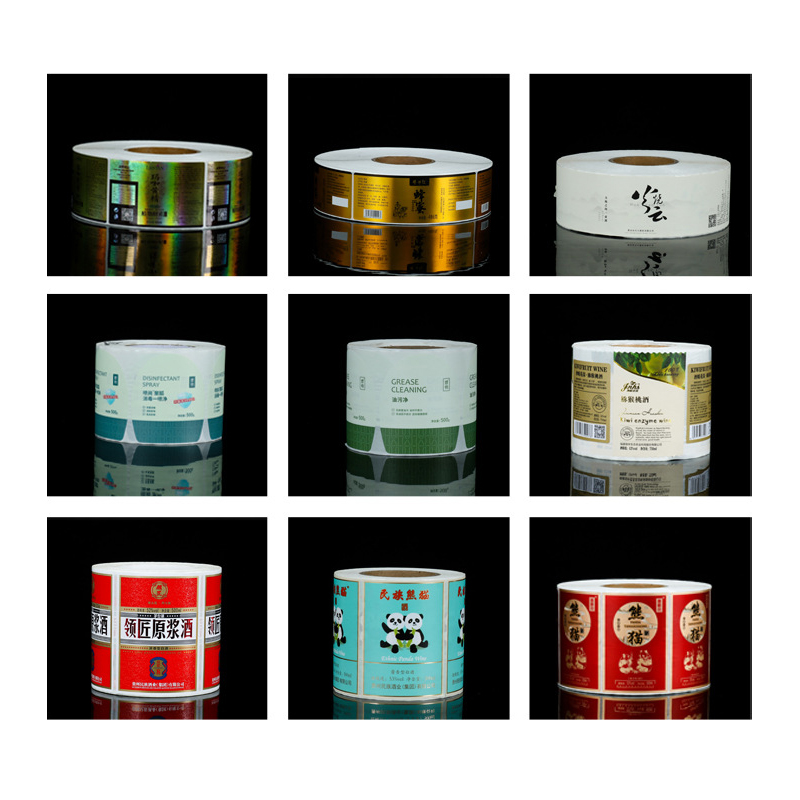
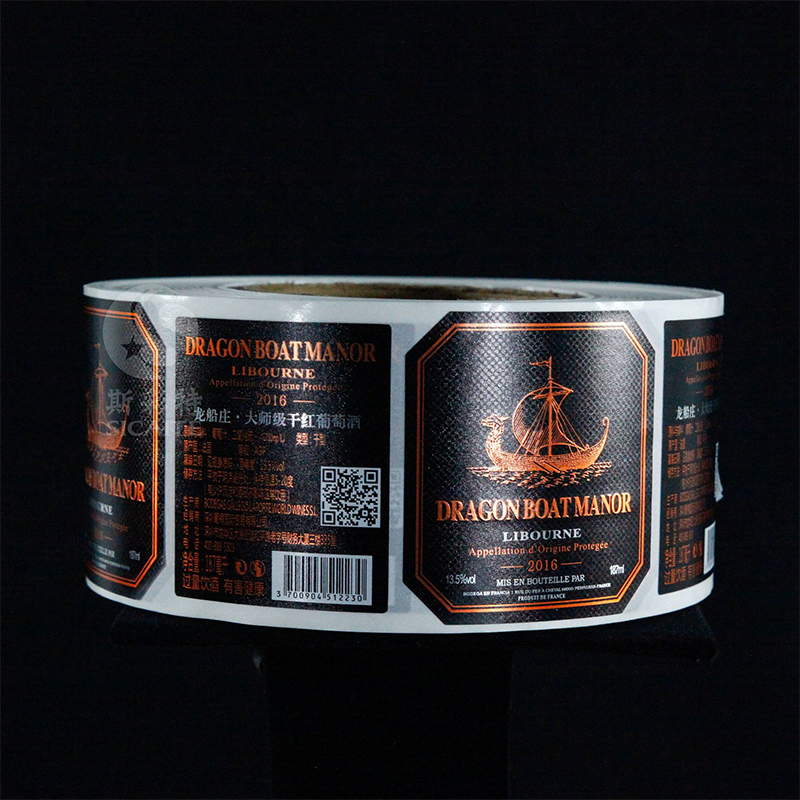
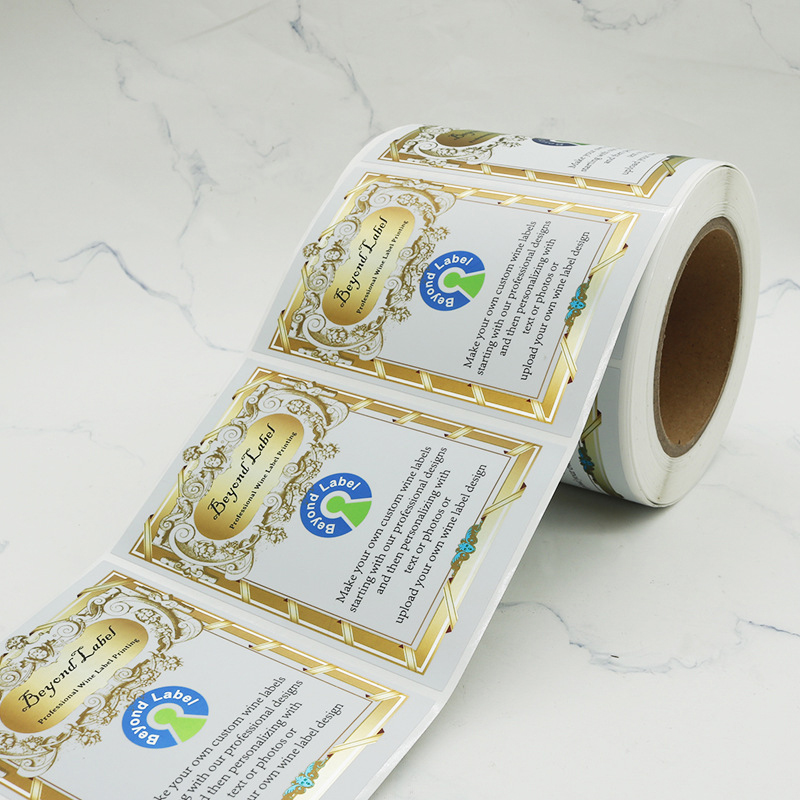
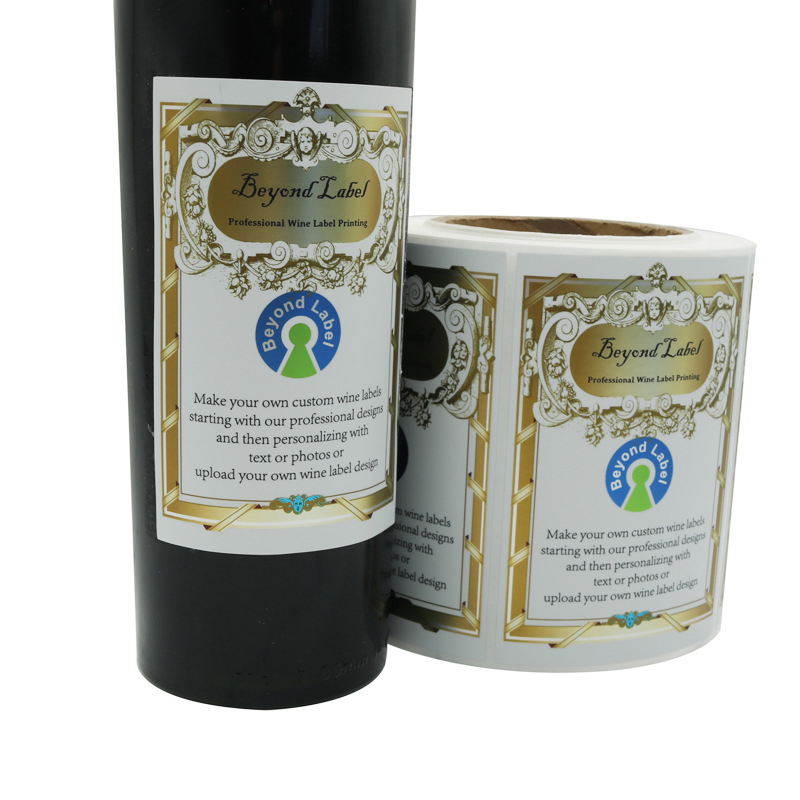
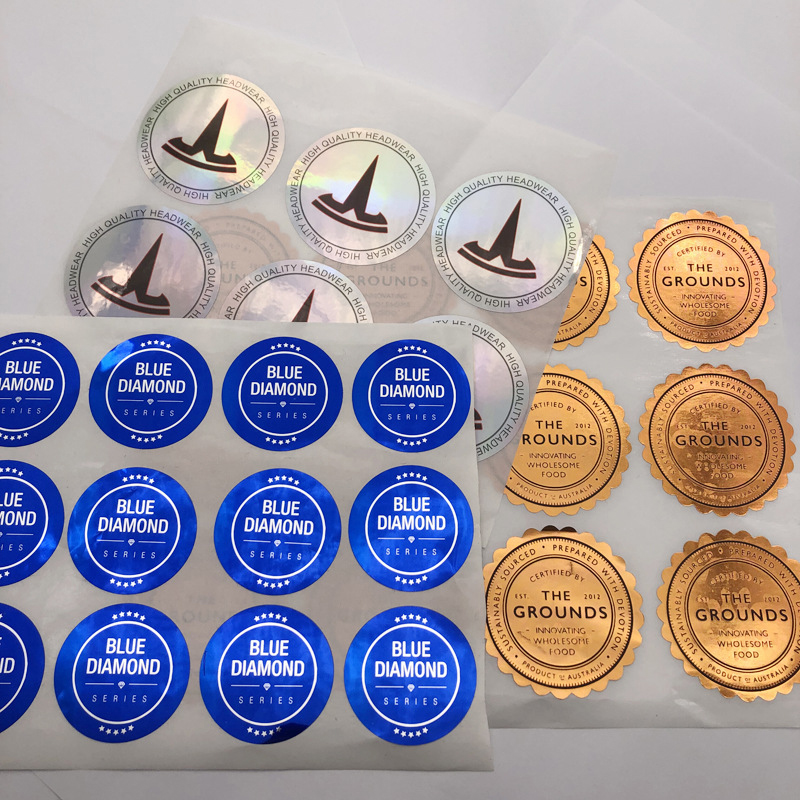
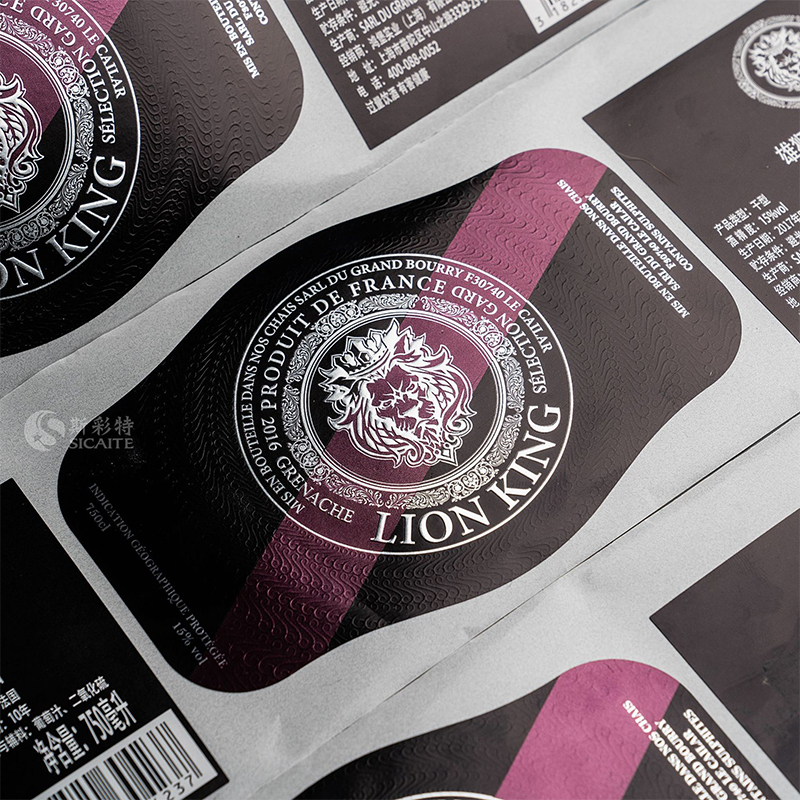
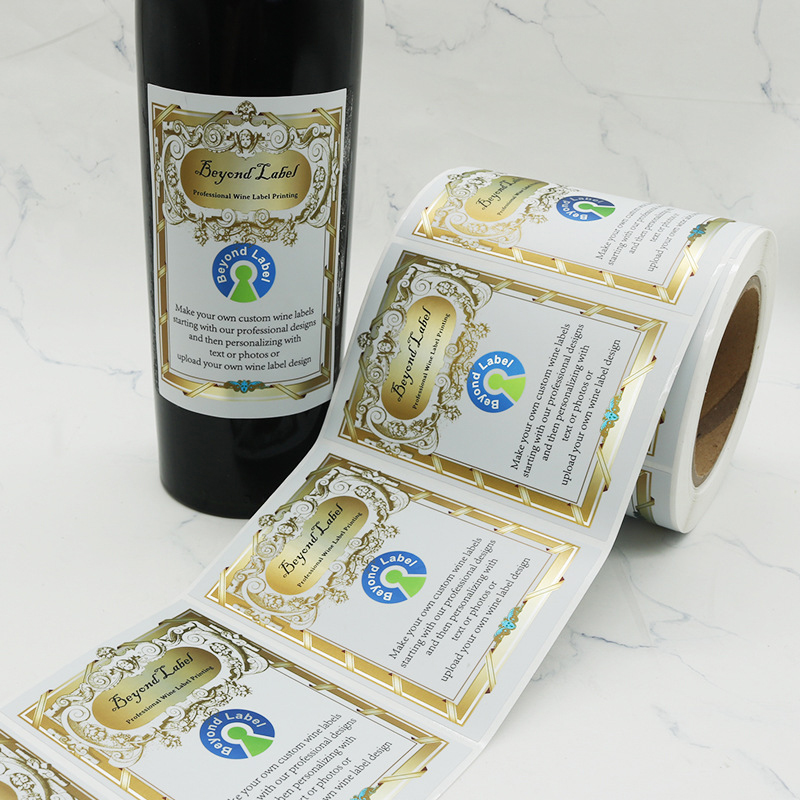
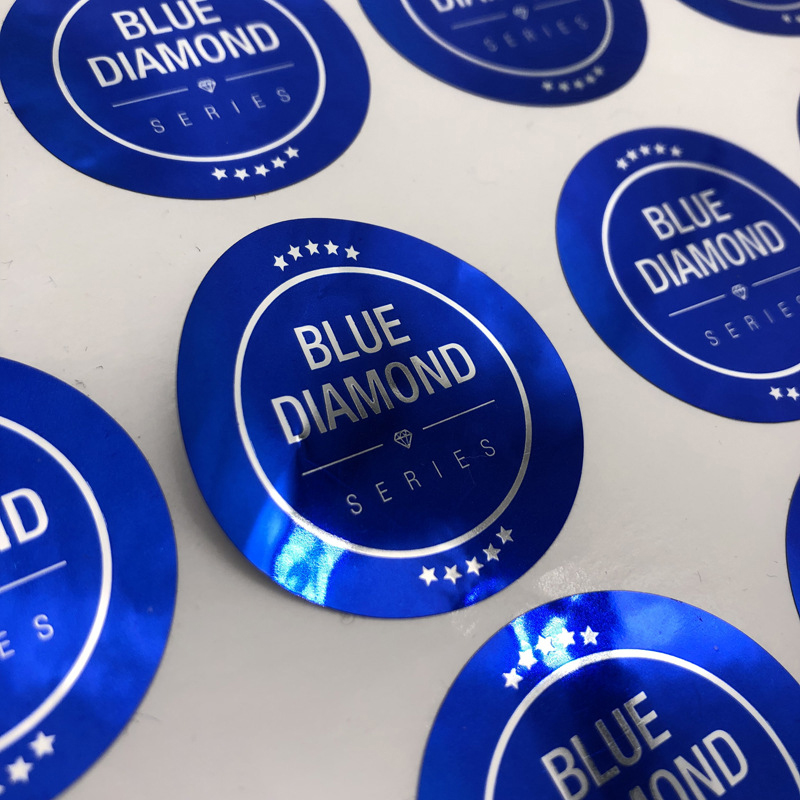
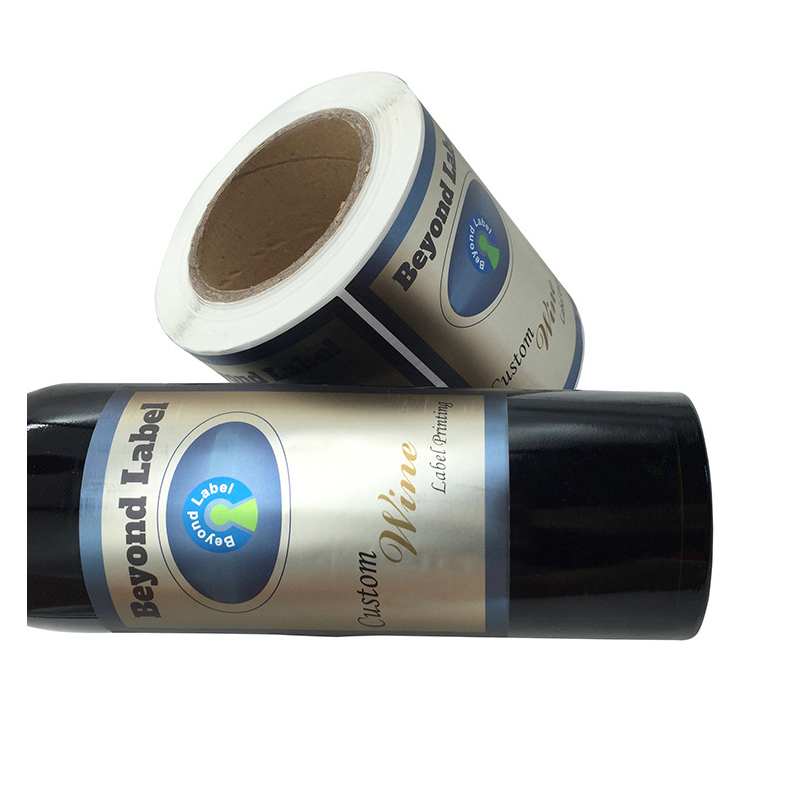
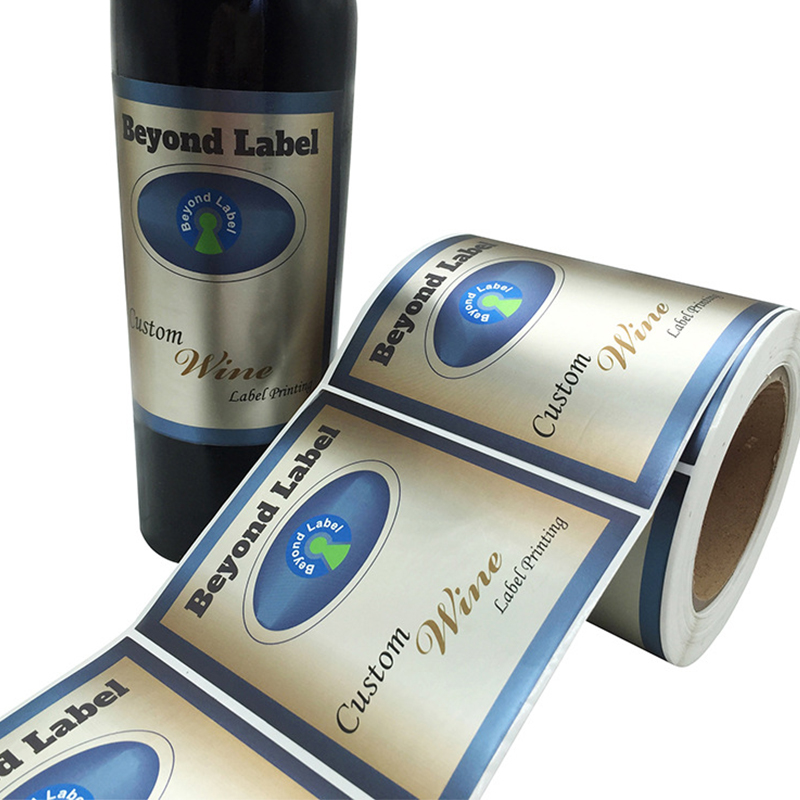
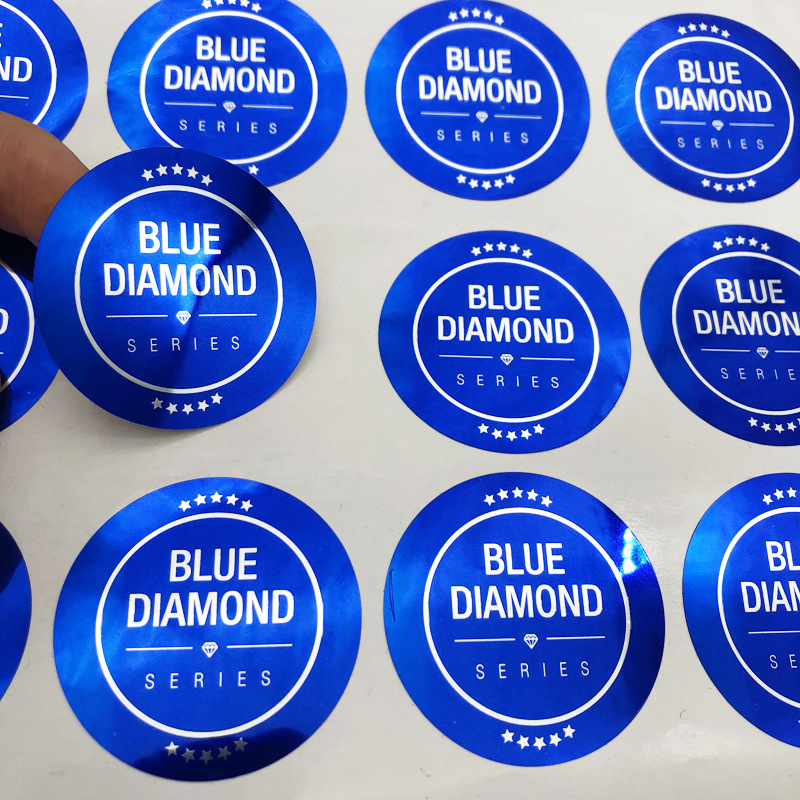
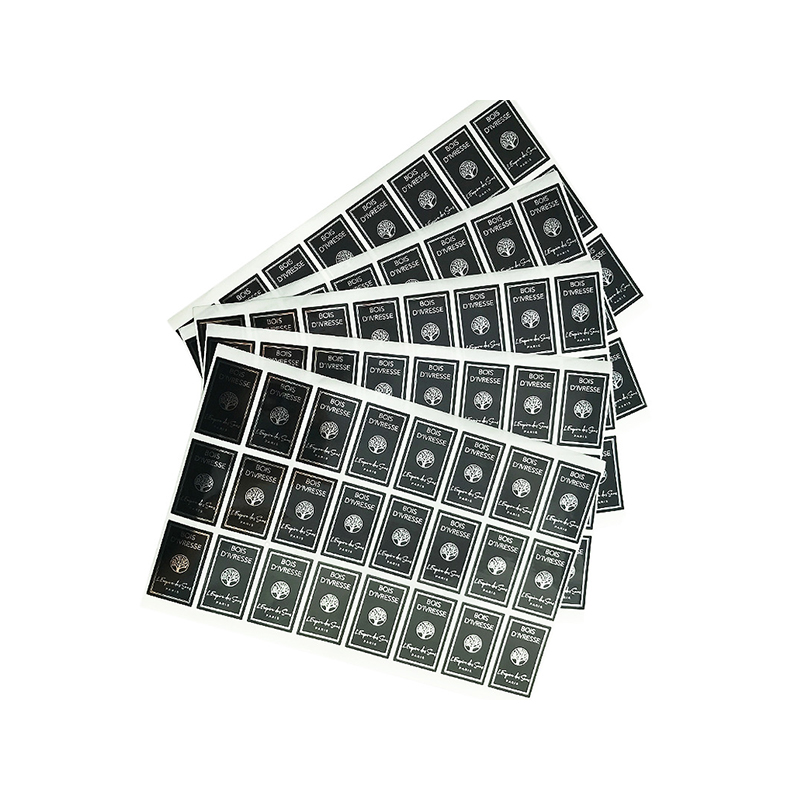
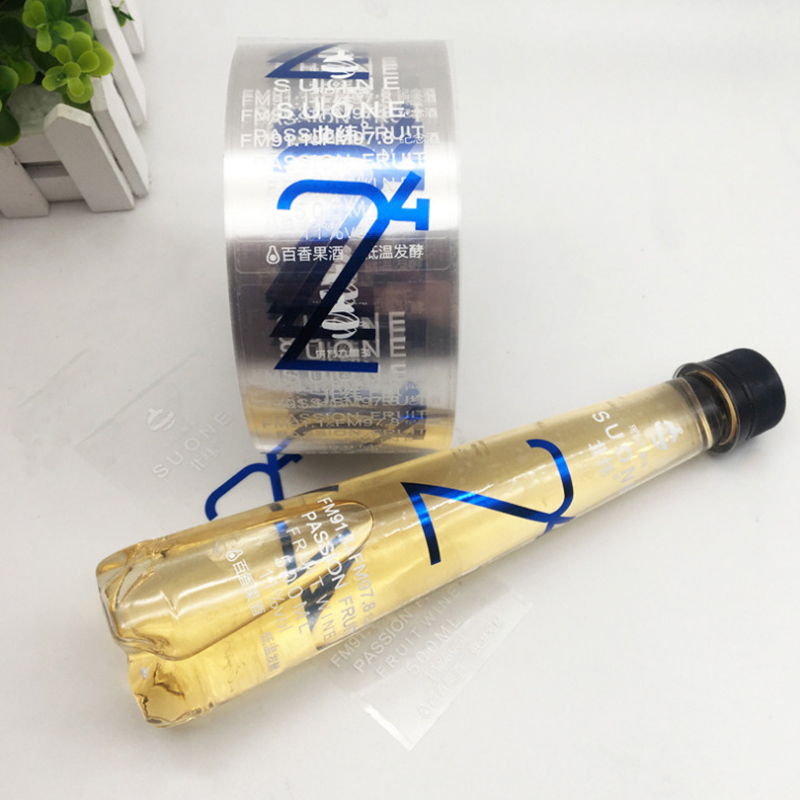
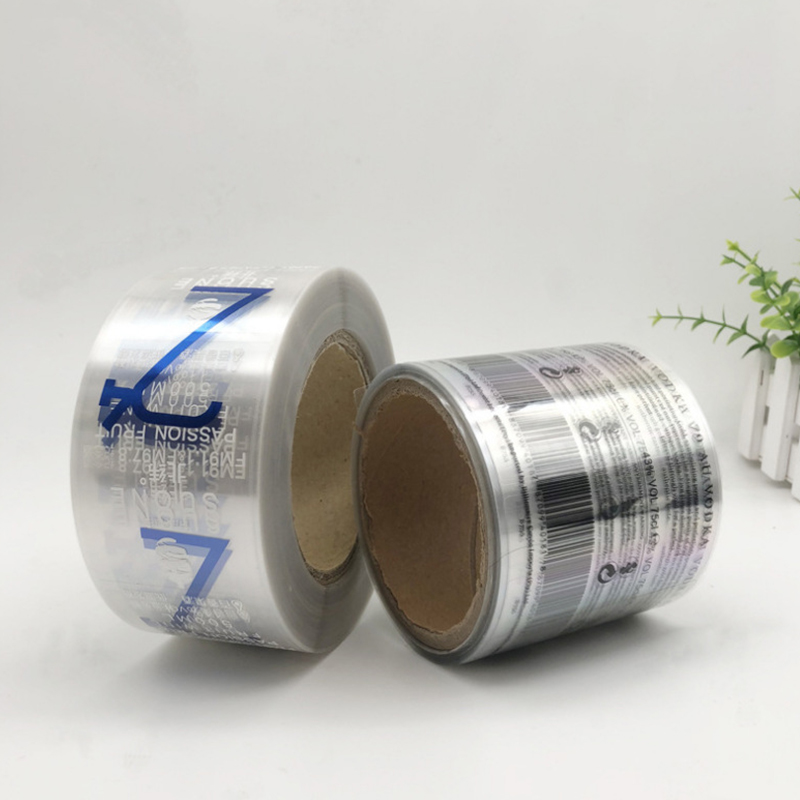
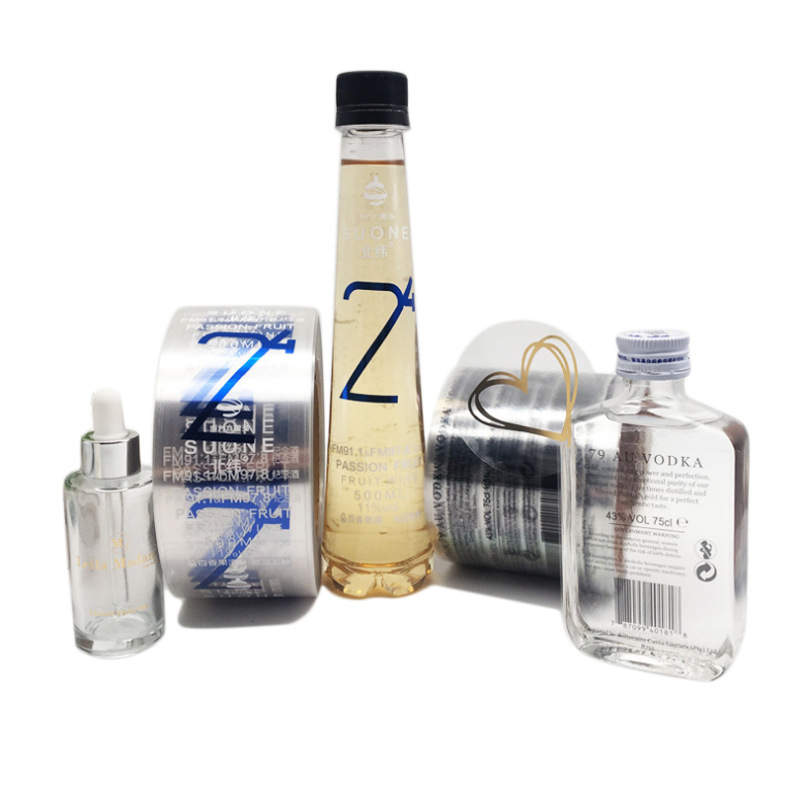
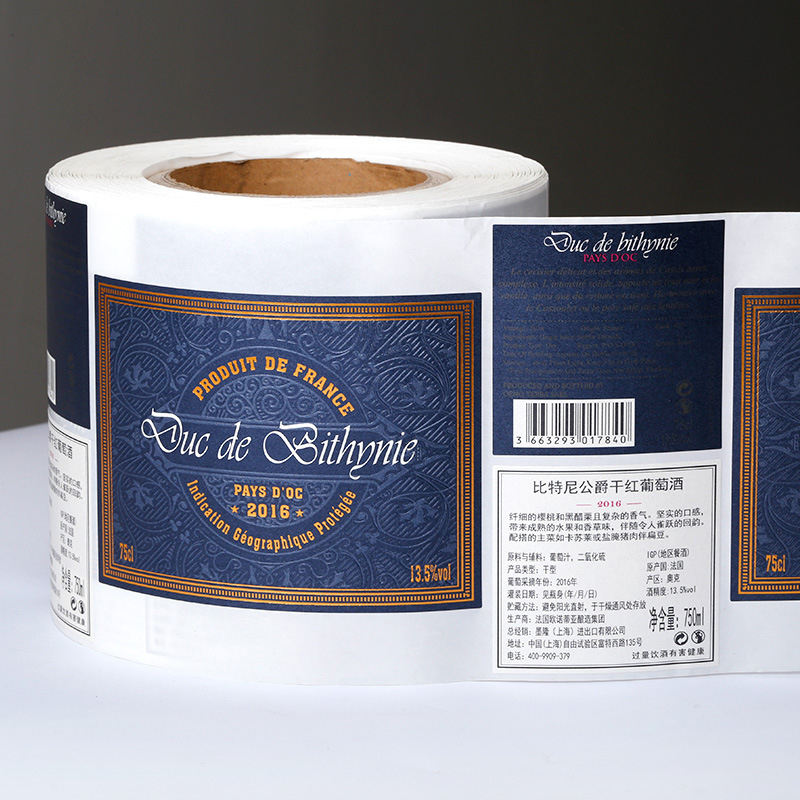
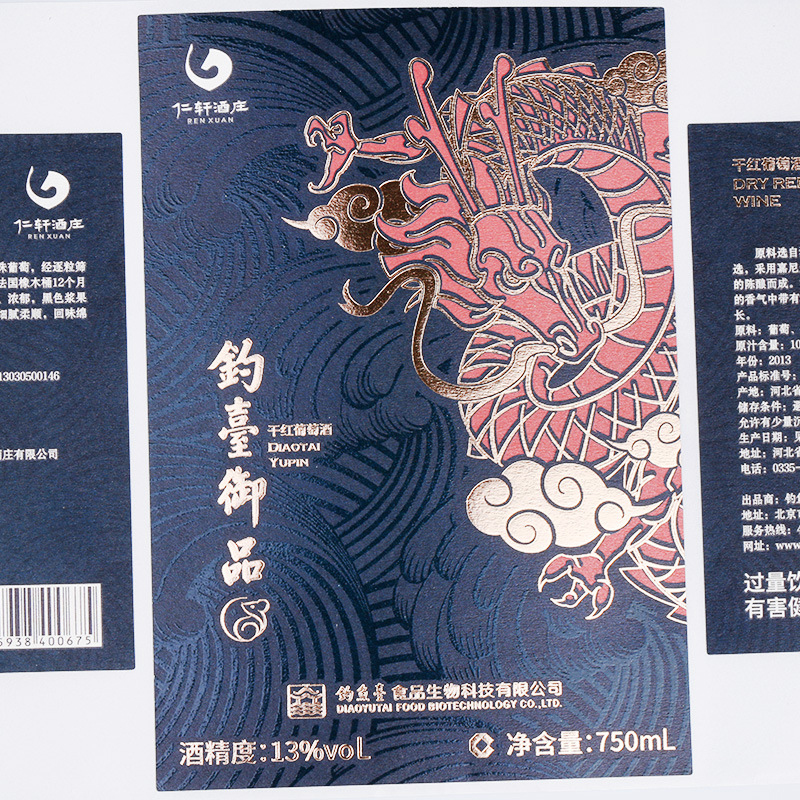
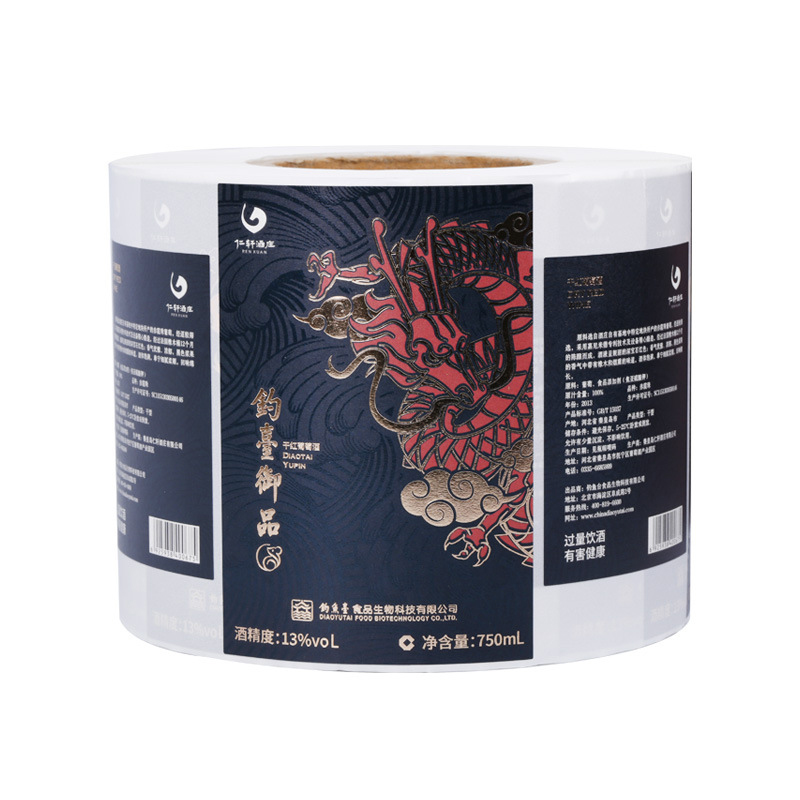
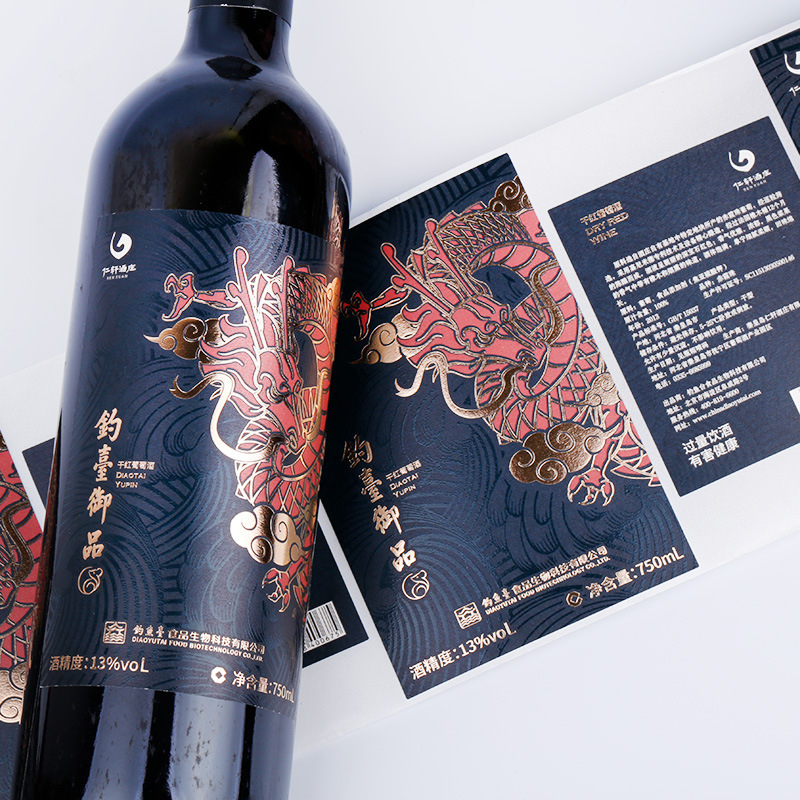
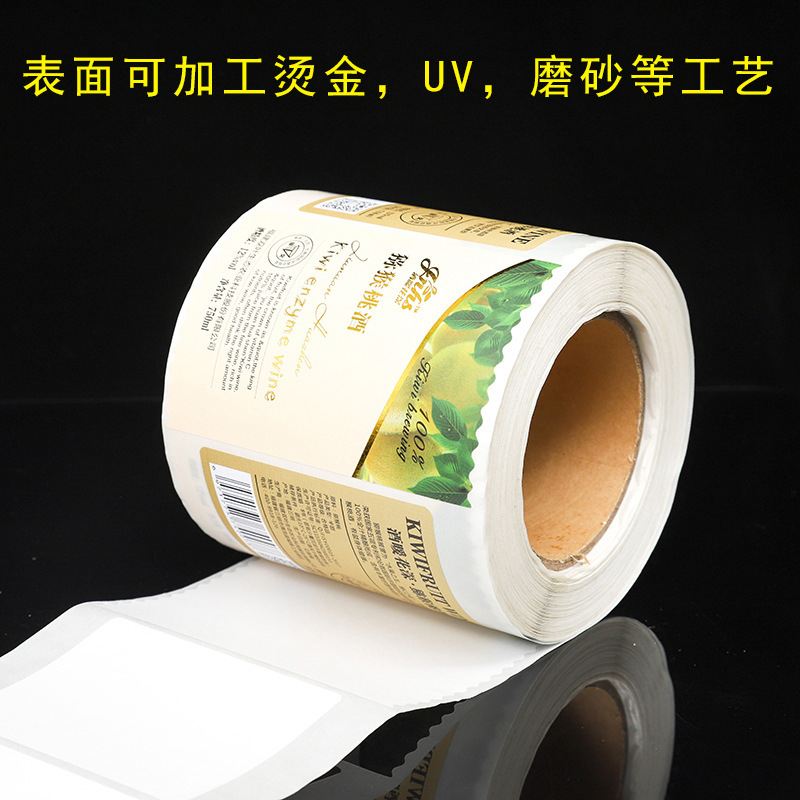
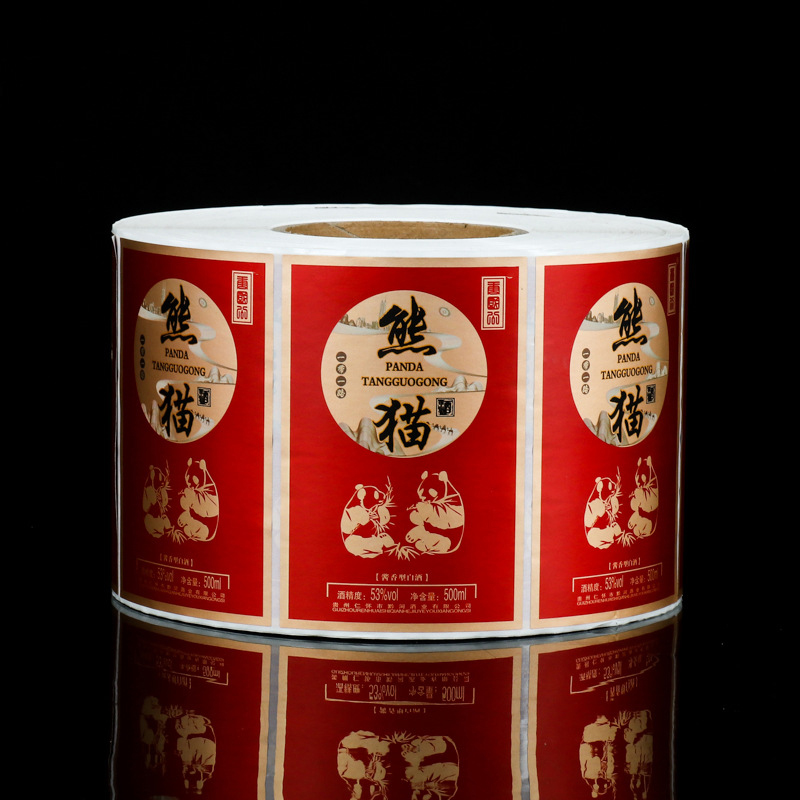
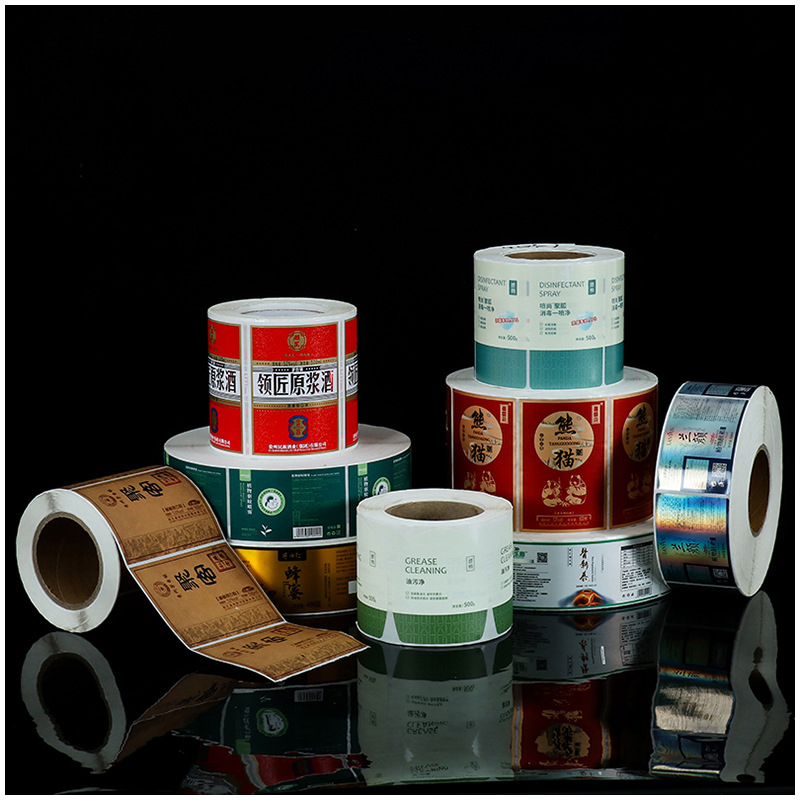
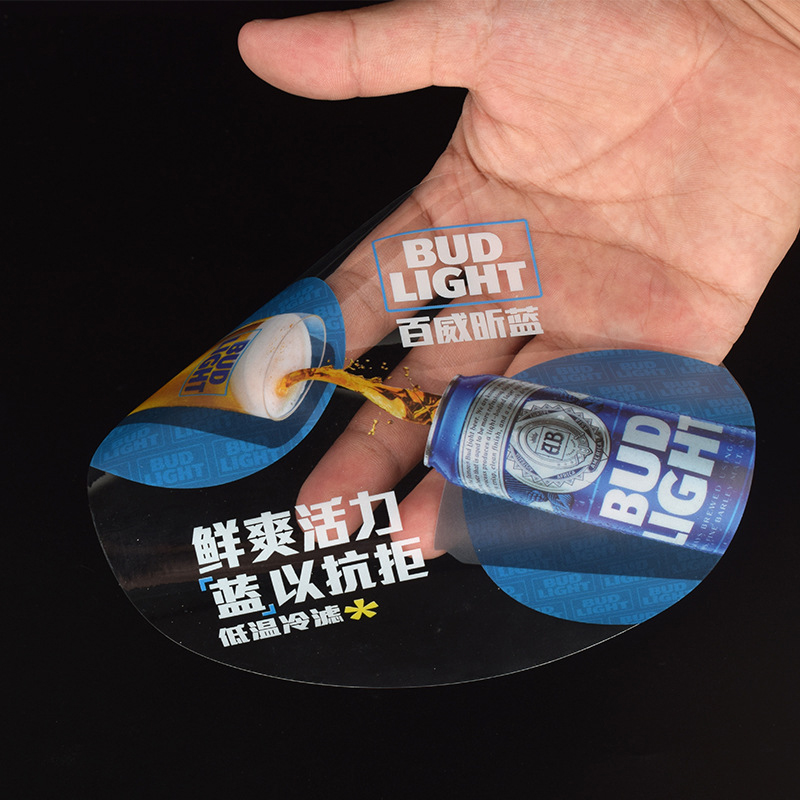
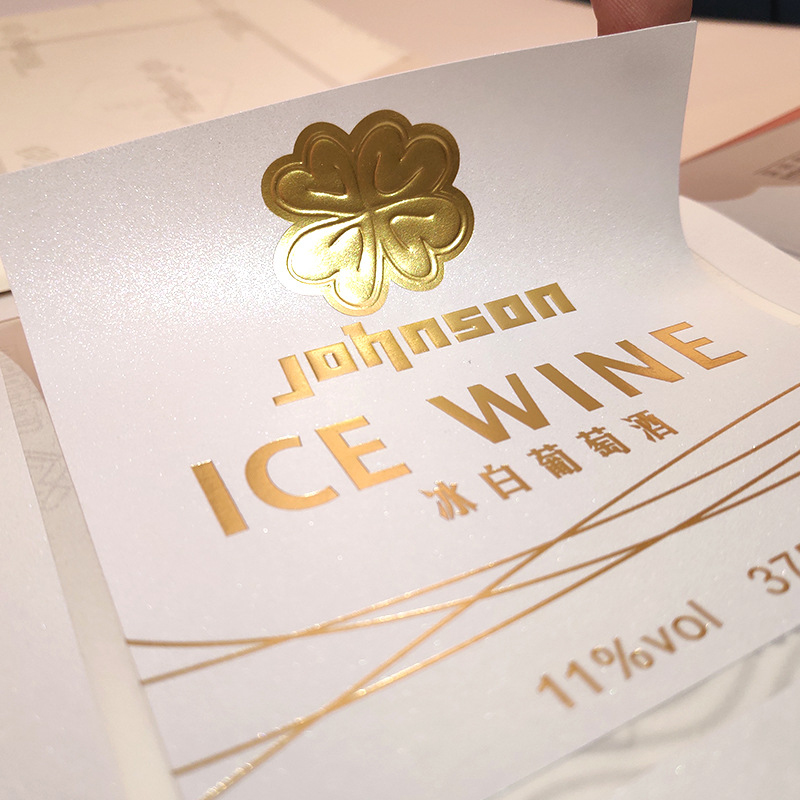
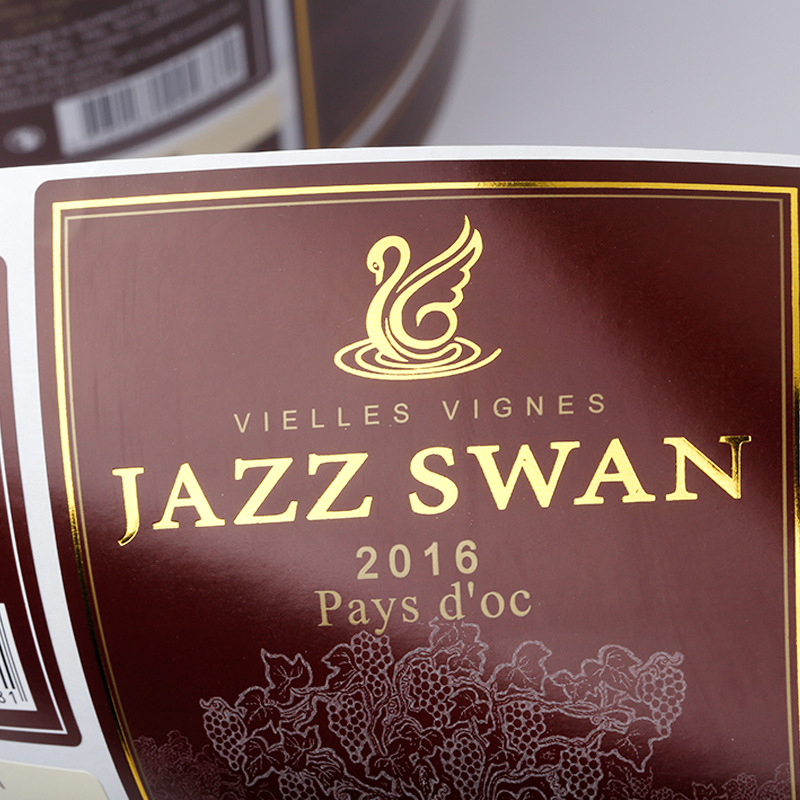
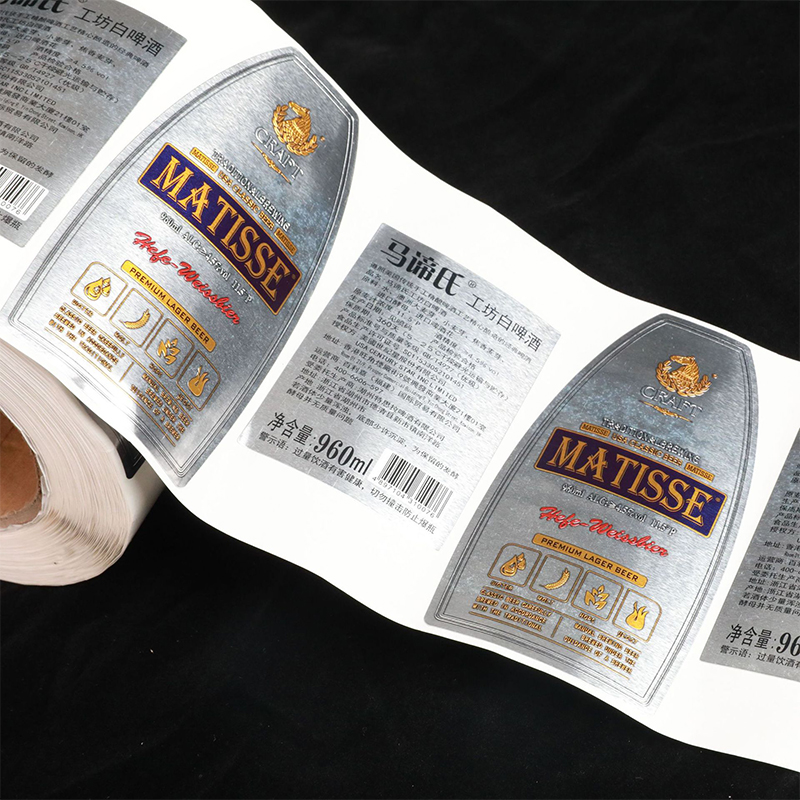
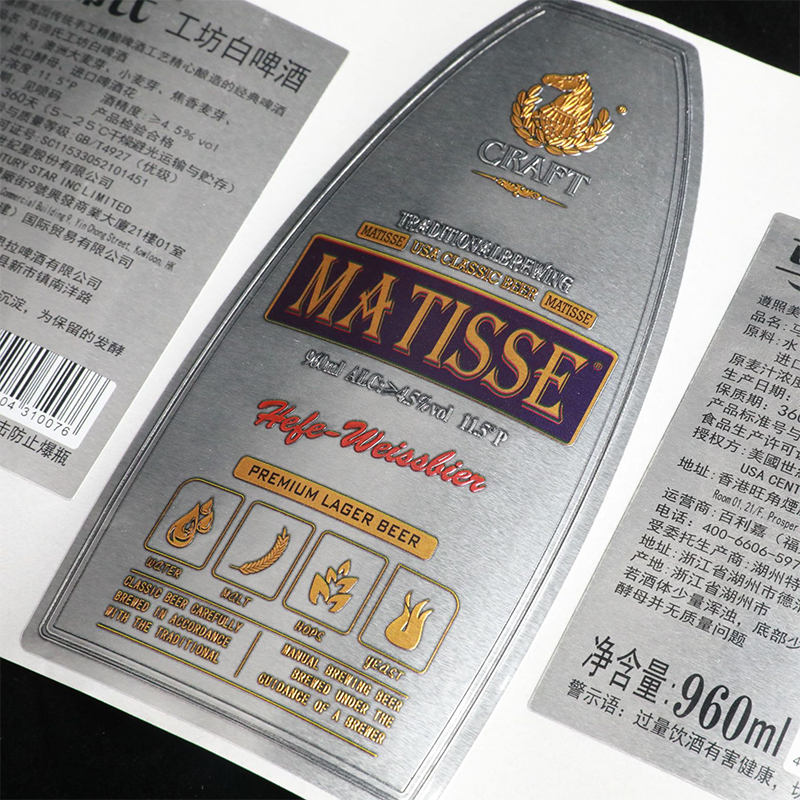
We mainly operate various packaging boxes of different materials, such as boxes (tian di gai boxes), book-style boxes, drawer boxes, aircraft boxes, corrugated boxes, paper bags, double-door boxes, various customized special-shaped boxes, as well as various paper products, acrylic printed products, anime peripheral products, etc. Matte foil embossed wine bottle label Suppliers in China. We also provide a complete one-stop service from design, sampling, finalization, material selection, procurement, production to logistics.
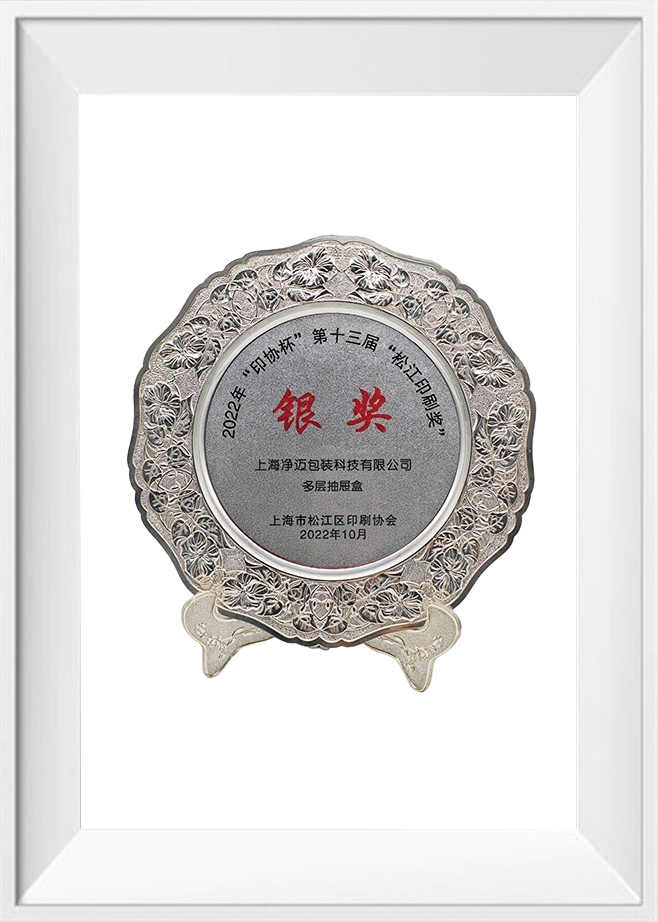
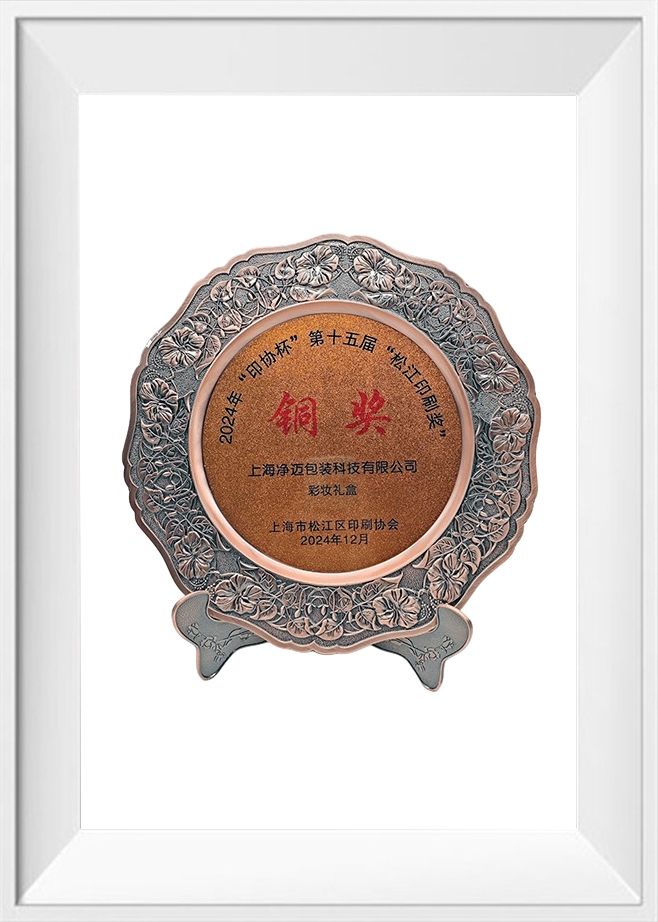
Two quotes land on the same desk for a 20,000-unit skincare carton. The first uses virgin coated board, a PET window and film lamination at $0.42 per unit. The second uses 85% recycled kraft board, a...
Read More