
 English
  日本語
日本語  Français
  Español
  عربى
عربى  italiano

Industry News
 Sep 14, 2026
 Posted by Administrator
Brand Packaging Examples: A Buyer's Guide to Structure, Material, Design
A purchasing manager once compared two premium chocolate lines with nearly identical recipes and price points. The competitor's product consistently won in-store quality tests. The only meaningful difference was the package: a rigid double-door box with foil-stamped detailing versus a standard folding carton. Before a single chocolate was tasted, the box had already set the expectation.
That scenario is a reminder of what brand packaging examples actually demonstrate: the package is the first product the customer experiences. It protects, communicates, and persuades in the seconds before rational evaluation begins.
Strong brand packaging aligns three elements: structure, material, and functional details. Rigid structures raise perceived value, kraft and coated papers carry specific narratives, and features such as vent valves, moisture barriers, and easy-tear openings build trust that turns first-time buyers into repeat customers.
Content
- 1 What Separates Effective Brand Packaging from Ordinary Packaging
- 2 Brand Packaging Examples That Perform, Category by Category
- 3 Hidden Metrics: What Actually Drives Packaging ROI
- 4 Industry Investment Distribution
- 5 Selection Guide: Turning Packaging from Cost Center into Profit Driver
- 6 Maintenance, Compliance, and Supplier Checklist
What Separates Effective Brand Packaging from Ordinary Packaging
Most packaging projects begin with decoration: logo placement, Pantone colors, and typography. The brand packaging examples that generate measurable lift, however, share underlying decisions about construction, substrate, and usability.
Structure Communicates Value Before the Label Is Read
Rigid boxes with lid-and-base construction signal premium positioning because the buyer physically feels the board thickness and hinge smoothness. A double-door chocolate box or a book-style tea box tells the customer this product belongs at a higher price point than a folding carton can convey.
Material Selection Is the Brand Narrative
Kraft paper reads as natural, artisanal, and sustainable; coated white cardboard reads as clean and modern; soft-touch lamination says luxury without printing a single claim. When a skincare brand chooses a baroque embossed lid-base box, the substrate itself is the message.
Functional Details Build the Habit Loop
A coffee bag with a one-way degassing valve and a resealable zipper proves the roaster understands freshness. A water-resistant cake carry bag reassures customers the dessert will survive a commute. These details create repeat purchases more reliably than logos.
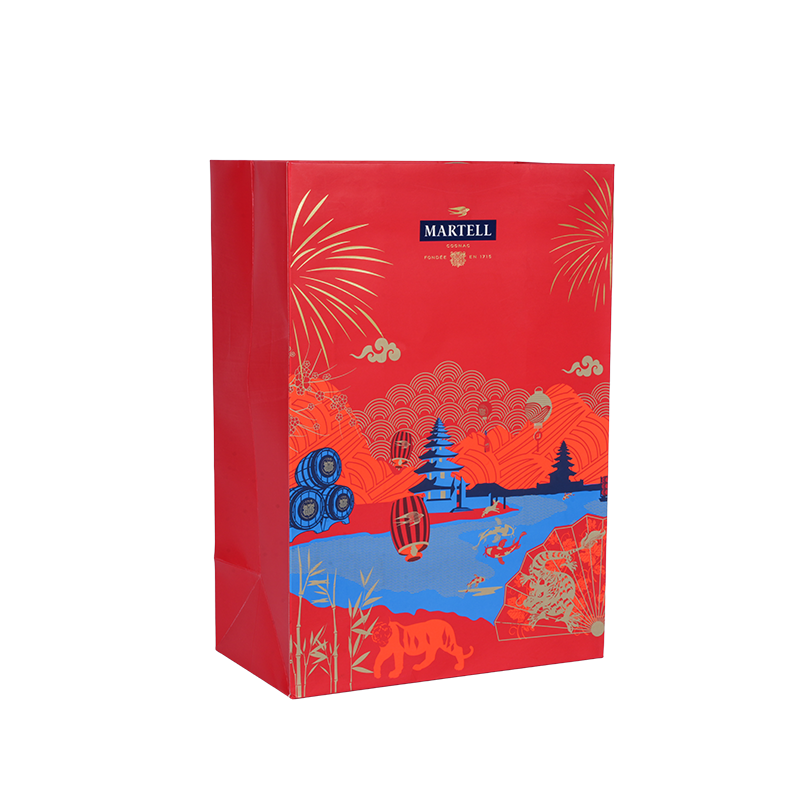
The same logic powers custom-printed retail bags: a reinforced handle and accurate color reproduction turn a shopping bag into a walking billboard for the brand. This principle is explored further in the art of branding custom-printed paper bags.
Brand Packaging Examples That Perform, Category by Category
The most useful brand packaging examples are vertical. A structure that works for tea will fail for hand cream. The comparison below reflects the formats, materials, and messages that consistently perform across five product categories in our production data.
In the food category, a rigid double-door chocolate box uses a hinged structure that opens like a cabinet. Each piece sits in a dedicated compartment, protecting fragile product during shipping and creating a reveal moment that standard folding cartons cannot match.
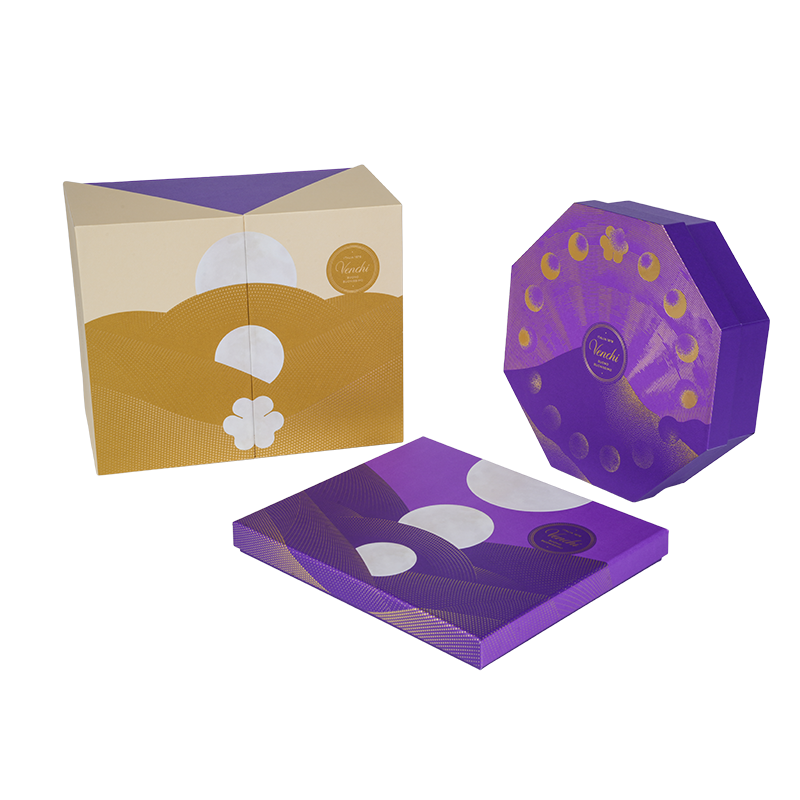 Rigid Double-Door Chocolate Packaging Box with CompartmentsThis hinged cabinet-style box protects individual chocolates during shipping and offers a memorable unboxing reveal, making it a practical choice for premium chocolate gifting and retail display.View Product →
For skincare, the winning pattern is layered finishes: a matte soft-touch surface, a die-cut window, and a hot-stamped logo. The new Chinese-style lid-base gift box is a strong example because the window lets customers see the jar inside while the rigid frame keeps the package intact and premium.
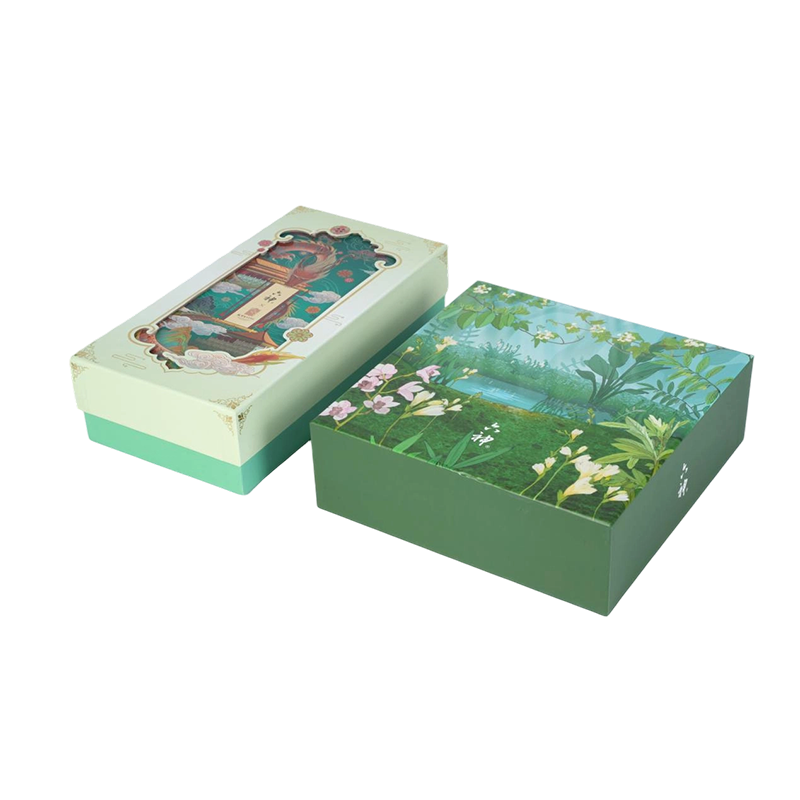 Window-Cut Neo-Chinese Rigid Gift Box with Hot StampingFeaturing a die-cut ruyi window, soft-touch matte finish, and hot-stamped details, this lid-and-base box lets customers view the product while maintaining a premium, elegant presentation.View Product →
Gift and retail brands increasingly choose foldable magnetic rigid boxes because they ship flat, store efficiently, and feel substantial when assembled. The magnet closure adds a satisfying snap that customers remember, and the box is often kept for reuse.
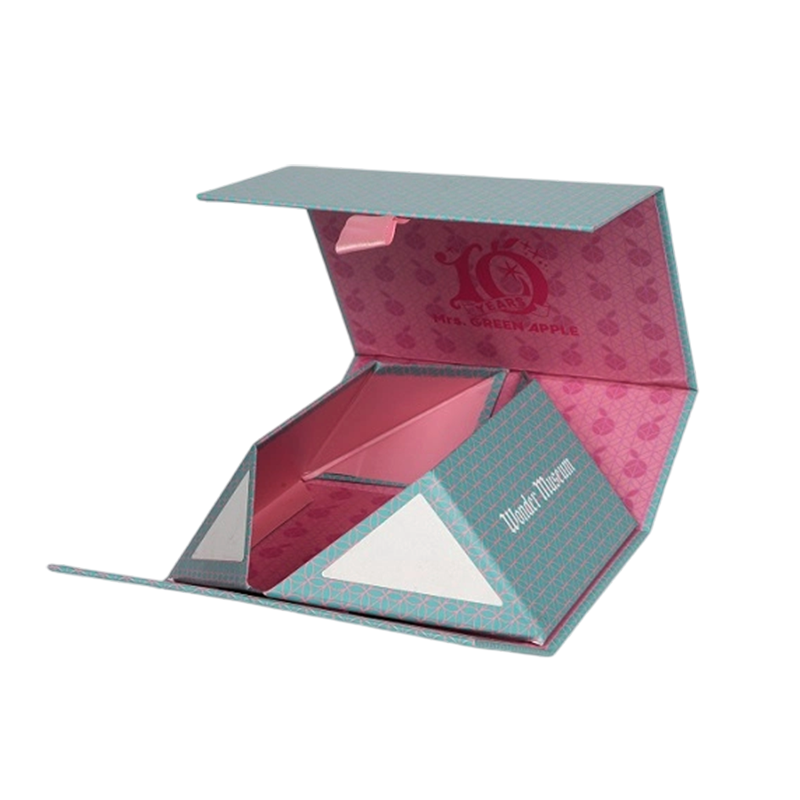 Foldable Magnetic Rigid Gift Box with Flat-Pack DesignShips flat and self-erects without tools, offering a sturdy structure with a magnetic closure and decorative finishes—ideal for cosmetics, jewelry, and collectible items that need a memorable gift experience.View Product →
Hidden Metrics: What Actually Drives Packaging ROI
Post-launch data from packaging redesigns consistently ranks structural and tactile factors above graphic decoration. The chart below shows the relative influence of each factor on perceived brand value, based on client surveys and in-house testing.
Structural quality, defined by board thickness, hinge smoothness, and box rigidity, contributes the largest share of perceived value. If the box collapses under slight pressure, no foil stamping can recover the impression. Material touch ranks second because the human hand registers paper weight and coating texture in about half a second. Print consistency matters most for brands with a strong logo system, while functional features matter most in food and beverage, where freshness cues are the primary purchase driver.
Industry Investment Distribution
Packaging budgets are not spread evenly across industries. Based on the share of custom packaging inquiries and production volume handled by our plant, food and beverage companies invest the most in branded packaging structures, followed by cosmetics and premium retail.
This distribution is easy to explain. In food and beverage, packaging directly affects perceived freshness, safety, and shelf life, so investments are highest. Cosmetics follow because shelf display and the unboxing ritual are central to the purchase decision. Gift packaging spends on reusability and structural thickness because the box becomes part of the gift itself.
Selection Guide: Turning Packaging from Cost Center into Profit Driver
Use this five-step workflow when commissioning custom packaging for your brand.
Define the Shelf Moment
Identify whether the product sells on a physical shelf, through e-commerce, or both. Shelf products need structural standout; e-commerce products need transit durability and a deliberate unboxing sequence.
Match Structure to the Product
Heavy or fragile items such as chocolate, perfume, and ceramics require rigid structures that absorb shock. Lighter products can use folding boxes or reinforced paper bags with handles.
Select Material from the Brand Narrative
Kraft supports a natural story, white cardboard supports a modern one, and laminated coatings protect against moisture. Choosing by unit price alone often contradicts the brand message.
Prototype and Test
Always request a physical pre-production sample. Run a drop test for fragile items, verify Pantone color accuracy, and test closures repeatedly so the production run matches the approved sample.
Scale with Quality Control
Select a supplier with documented quality management such as ISO 9001, and confirm the production capacity can absorb your forecast volumes and export destinations without compromising consistency.
At this stage, the practical next step is to share your product details and target quantities with a packaging engineer. You can discuss your requirements directly with our team and request material swatches and a prototype sample before finalizing the design.
Maintenance, Compliance, and Supplier Checklist
The best brand packaging examples are not only memorable; they pass regulatory and practical checks without surprises. Add the following items to your packaging brief.
- Food-grade compliance: confirm that inks, coatings, and base materials meet food-safety standards for your target market.
- Moisture and grease resistance: bakery bags need grease-resistant coatings; tea boxes need moisture barriers to protect aroma and texture.
- Quality management: verify the supplier's certification, such as ISO 9001, and review their sample audit report.
- Batch traceability: request archived samples and lot numbers so quality issues can be traced and corrected quickly.
- Export documentation: for international shipping, confirm material declarations, test reports, and labeling compliance for destination countries.
Packaging is a cross-functional decision that touches marketing, procurement, and quality assurance. When structure, material, and compliance all answer the same brand question, packaging stops being a cost line and becomes a competitive asset.
Product Categories
Mainly engaged in various types of packaging boxes made of different materials and various paper products.


-
Email
[email protected]Phone Number
+86-15300896380 -
Address
No. 58 Hongmudan Road, Songjiang District, Shanghai, China -
Quick Links
Home About Us Service Industries News Contact -
Products
Food Packaging Cosmetic Packaging Gift Wrapping Apparel Packaging Home Textile Packaging Other Packaging Paper Packaging Boxes -
feel free to contact us

