A pallet of 16 oz cans sits in a warm warehouse for three days. The cans are fine, but the paperboard cluster wrap has absorbed moisture, the print has scuffed at the corners, and the pack no longer ...
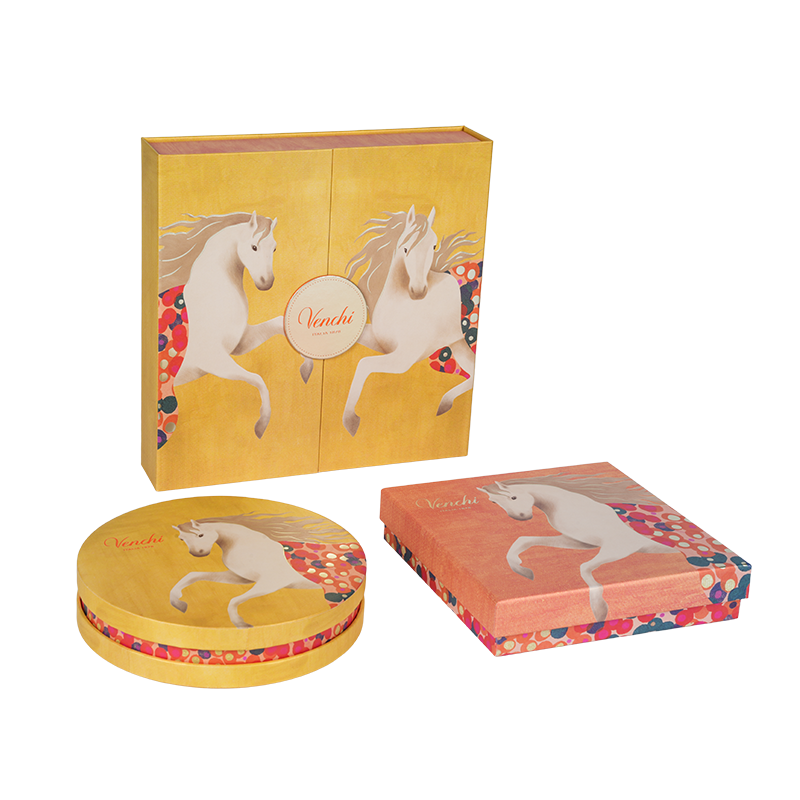
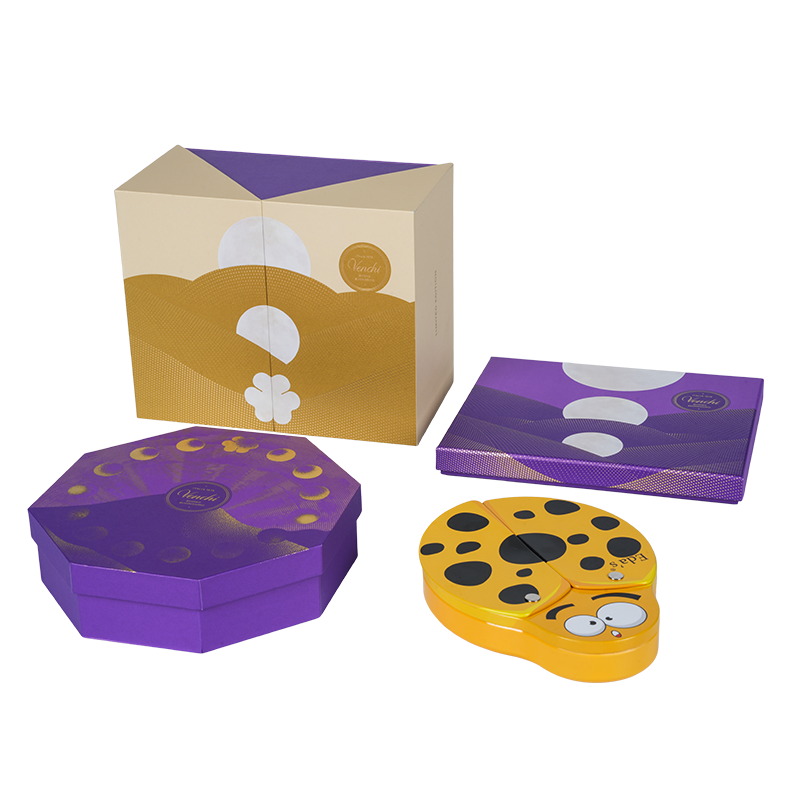
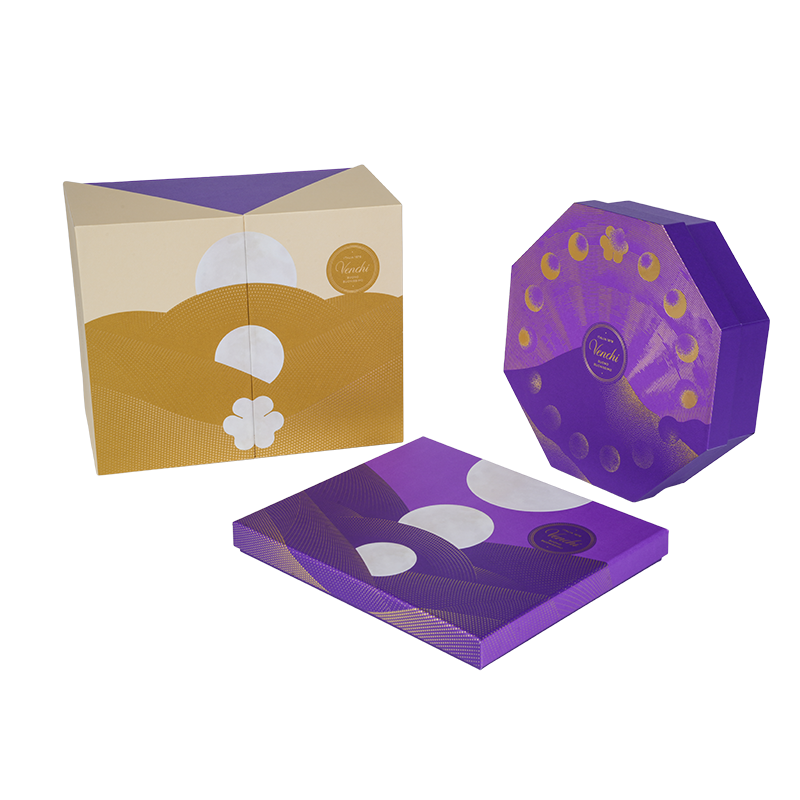
Read MoreThe rigid double-door chocolate packaging box excels in freshness preservation, structural protection, premium texture, and scenario adaptability—making it an ideal solution for high-end chocolate packaging.

1. Freshness & Protection – Safeguarding Core Chocolate Quality
Paperboard offers moderate breathability, preventing condensation or softening from over-sealing, while avoiding excessive dryness and cracking—ideal for chocolate’s sensitivity to temperature and humidity.
Enhanced with inner lamination, aluminum foil liners, or PE film for improved moisture, oil, and oxygen resistance—slowing oxidation and extending shelf life.
Rigid structure provides light crush and impact resistance, preserving delicate shapes (e.g., filled, sculpted, or embossed chocolates) during shipping and storage.
2. Premium Texture – Elevating Brand Perception
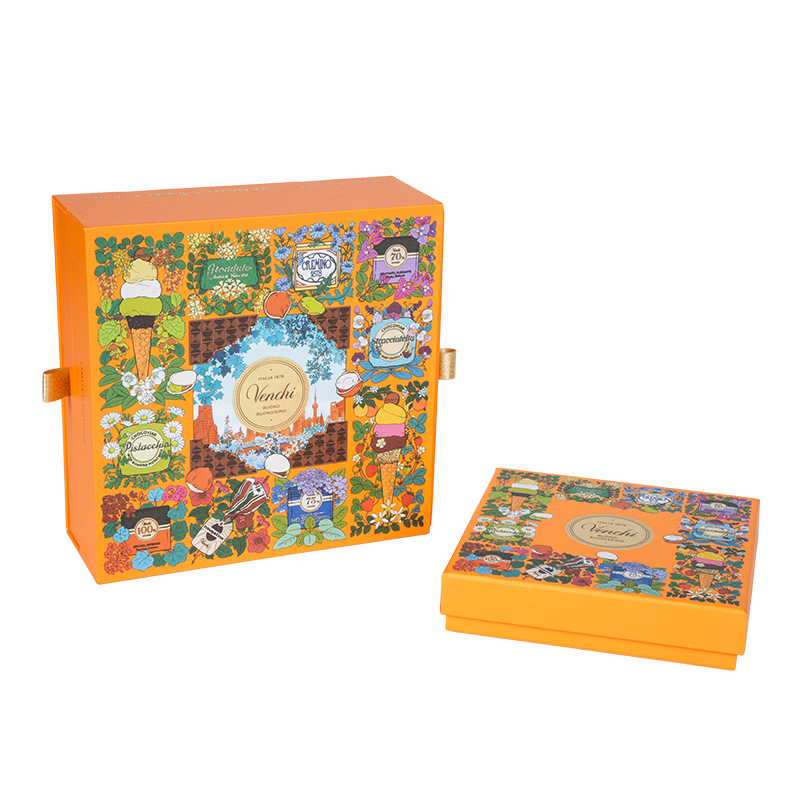
Soft, refined tactile feel; compatible with specialty papers (e.g., kraft, art paper) and finishes like foil stamping, UV coating, embossing, and debossing for a luxury aesthetic.
Minimalist yet elegant design highlights the chocolate’s premium positioning—brand logos and subtle graphics reinforce identity and increase perceived value.
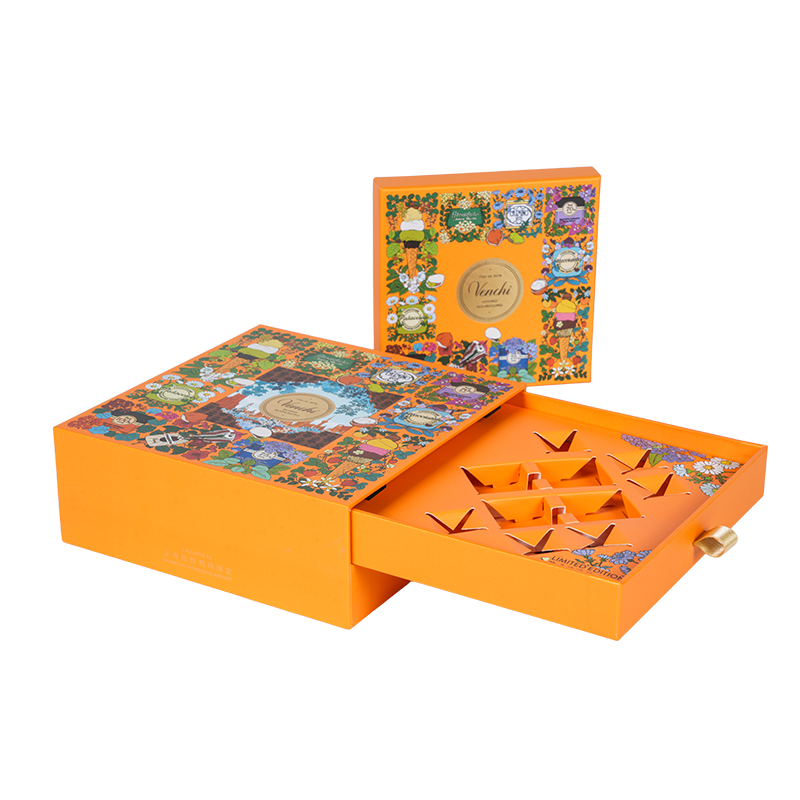
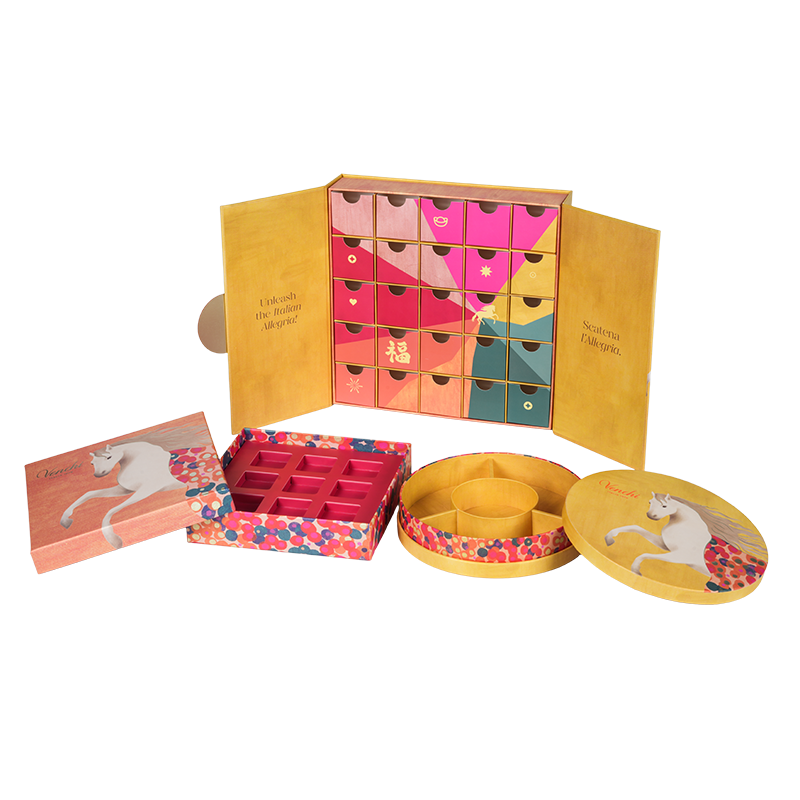
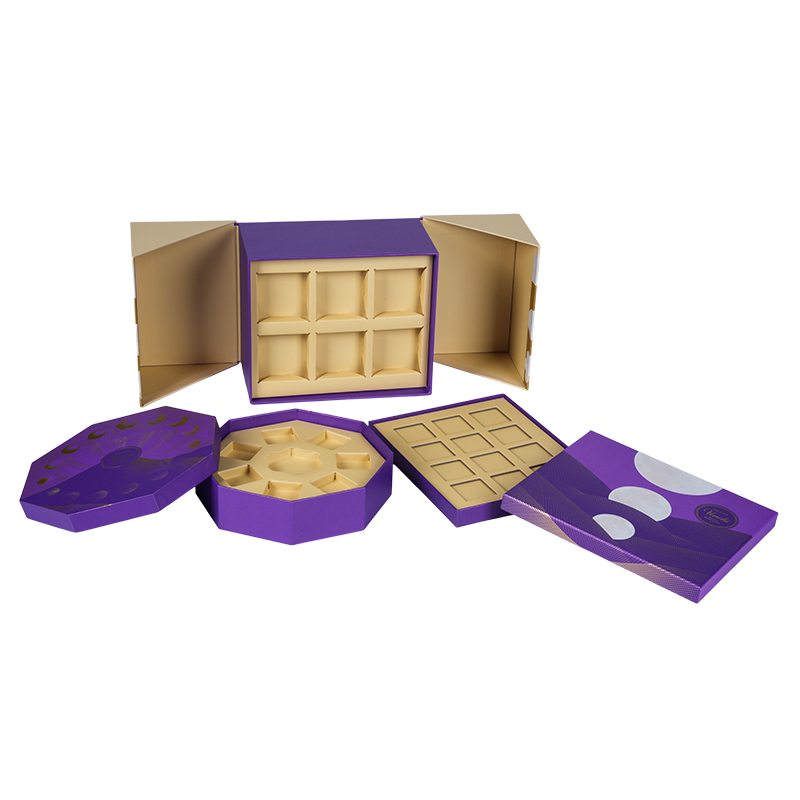
Layered or compartmentalized interiors protect individual pieces while delivering visual order and unboxing sophistication.
3. Practical Adaptability – Optimizing Retail & Gifting Use
Versatile for retail displays (supermarkets, boutique stores) and gifting (holidays, corporate gifts); easily enhanced with ribbons or gift bags for instant premium presentation—no secondary packaging needed.
Lightweight, portable, and foldable for storage; empty boxes can be repurposed (e.g., for jewelry or tea sachets), boosting consumer satisfaction.
Stable structure accommodates various chocolate shapes (square, round, irregular); custom inserts secure contents and minimize movement-related damage.
4. Eco-Friendly & Brand Value – Aligning with Sustainability Trends
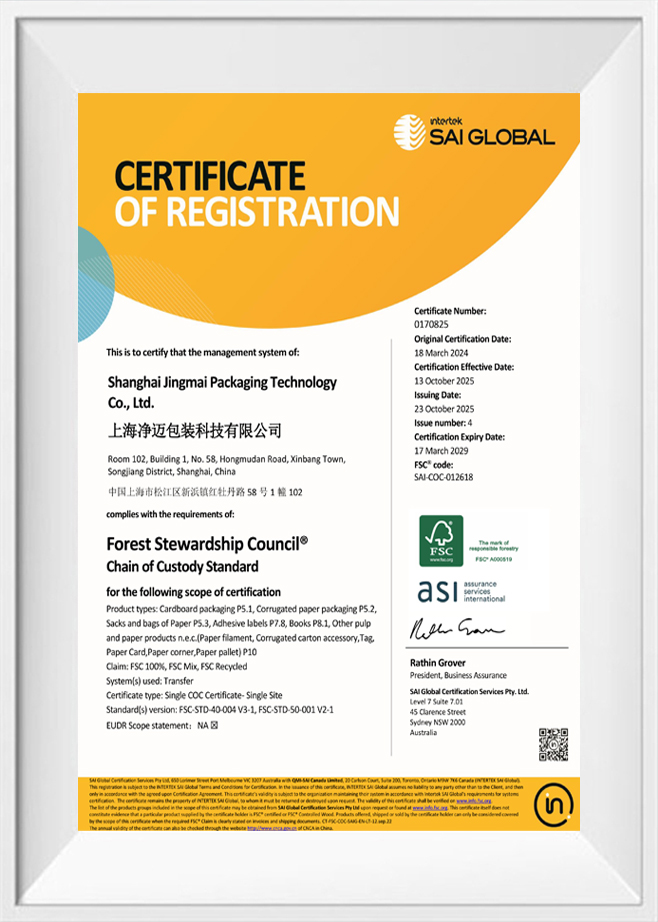
Made with recyclable or biodegradable paperboard, water-based inks, and plant-based adhesives—supporting circular economy goals and low environmental impact.
Serves as a tangible expression of brand sustainability—resonating with eco-conscious consumers and strengthening corporate social responsibility.
Flexible print options for storytelling—origin, tasting notes, brand narrative—deepening consumer engagement while reinforcing quality commitment through refined craftsmanship.
A pallet of 16 oz cans sits in a warm warehouse for three days. The cans are fine, but the paperboard cluster wrap has absorbed moisture, the print has scuffed at the corners, and the pack no longer ...
Read MoreThe first warning is usually a pallet of pouches that will not stand up. The film was approved, the print matched, the fill weight was correct — but the bottom gusset sits a millimetre off centre, an...
Read MoreA buyer signs off on a folding carton proof in March, and six weeks later 40,000 flat blanks arrive with creases that crack open along the fold. Nothing was wrong with the artwork. The die cutting op...
Read MoreA 350 gsm print sheet does not become a folding carton until a steel rule strikes it. Every tab, slot, crease, nick and window in that blank is a decision made at the die stage, and those decisions c...
Read MoreTwo quotes land on the same desk for a 20,000-unit skincare carton. The first uses virgin coated board, a PET window and film lamination at $0.42 per unit. The second uses 85% recycled kraft board, a...
Read More