Two quotes land on the same desk for a 20,000-unit skincare carton. The first uses virgin coated board, a PET window and film lamination at $0.42 per unit. The second uses 85% recycled kraft board, a...
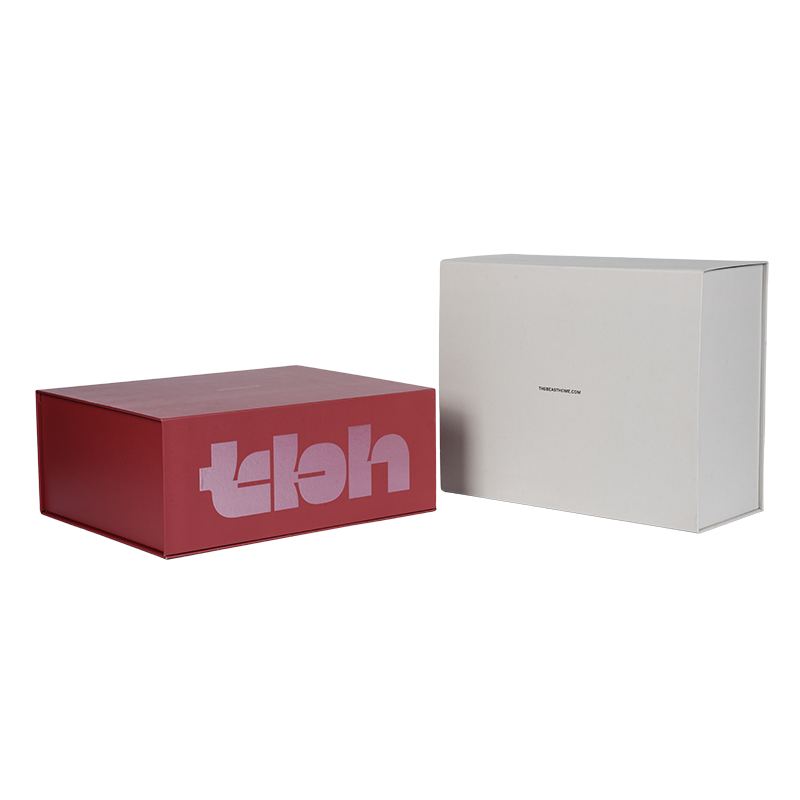
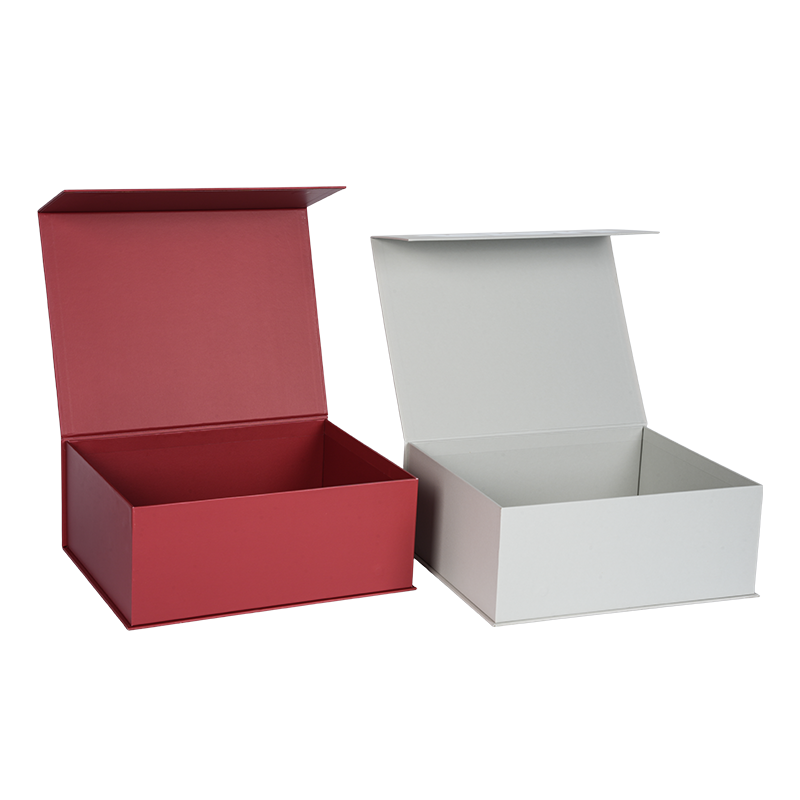
Read MoreThe core advantages of using cardboard boxes for clothing packaging are shaping and protecting garments, showcasing their quality, while also considering practicality for storage, brand communication, and suitability for transportation.

Core Advantages
Protecting Garment Shape and Cleanliness: The neat structure of cardboard boxes prevents garments from being squeezed, deformed, or wrinkled during transportation and storage, making them especially suitable for suits, shirts, and knitwear that require shape retention. They also block dust and moisture, preventing stains or mold growth.
Enhancing Brand and Product Image: Cardboard boxes appear more refined than plastic bags or ordinary cloth bags. Brand logos and design elements can be printed on them, and processes such as lamination and hot stamping can be used to strengthen brand recognition, giving clothing a more upscale feel, aligning with the positioning of accessible luxury and formal wear.
High Storage and Reusability Value: Neatly designed cardboard boxes can be used directly as clothing storage boxes, making it convenient for consumers to store their clothes. Some exquisite models can also be used to store accessories, underwear, etc., extending the packaging's usability and deepening brand favorability.
Suitable for diverse apparel categories: Customizable in different sizes and structures (top and bottom lids, pull-out designs, with inner dividers), compatible with tops, pants, skirts, suits, etc. Dust bags and hang tags can be added together to meet various packaging needs.
Transportation and cost-effective: Mature mass production technology ensures controllable costs; flat stacking during transport reduces warehousing and logistics costs; moderate weight prevents additional transport burden, suitable for large-scale distribution.
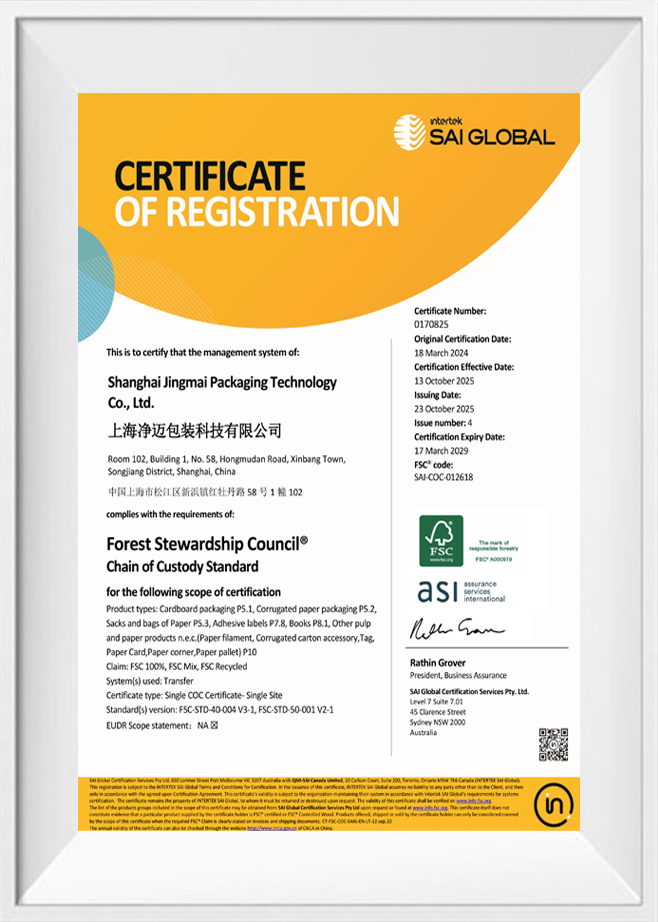
Environmentally friendly and compliant: High-quality cardboard boxes are mostly made of recyclable and biodegradable materials, aligning with green packaging trends; odorless and does not release harmful substances, will not damage clothing fabrics, especially suitable for sensitive skin clothing and infant clothing.
Two quotes land on the same desk for a 20,000-unit skincare carton. The first uses virgin coated board, a PET window and film lamination at $0.42 per unit. The second uses 85% recycled kraft board, a...
Read MoreCore conclusion: For high-volume automated packaging lines, the crash lock bottom box (CLB) typically reduces total packaging cost by 15–25% compared to tuck-end or standard reverse-tuck cartons. It...
Read MoreA 15-barrel brewery moves its flagship from 22 oz bottles to 16 oz cans and assumes the packaging work ends when the artwork is approved. Three weeks later a distributor reports crushed corners on th...
Read MoreA bakery chain signs off on a windowed cake box in March. By the time 40,000 units reach the chilled aisle in July, the film window has fogged, the die-cut corners have cracked on two pallets, and th...
Read MoreA purchasing manager once compared two premium chocolate lines with nearly identical recipes and price points. The competitor's product consistently won in-store quality tests. The only meaningful di...
Read More