Two quotes land on the same desk for a 20,000-unit skincare carton. The first uses virgin coated board, a PET window and film lamination at $0.42 per unit. The second uses 85% recycled kraft board, a...
Read MoreThe core advantages of paperboard boxes for health supplement packaging lie in elevating product quality perception, ensuring freshness protection, and adapting to diverse usage scenarios—while conveying premium trustworthiness. It is the primary preferred packaging solution for health supplements.

1. Quality Elevation – Aligning with Premium Positioning
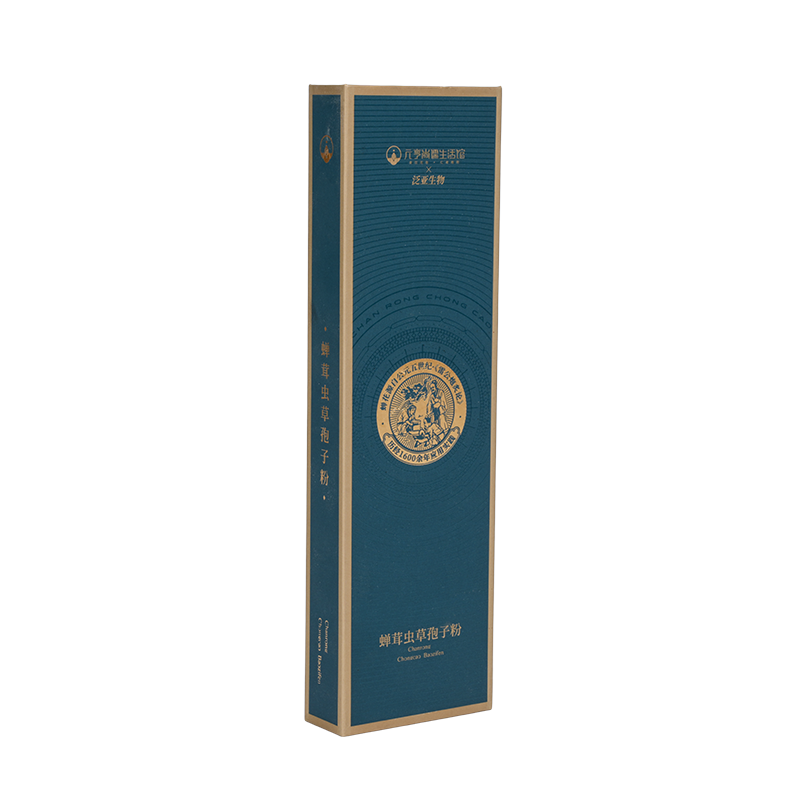
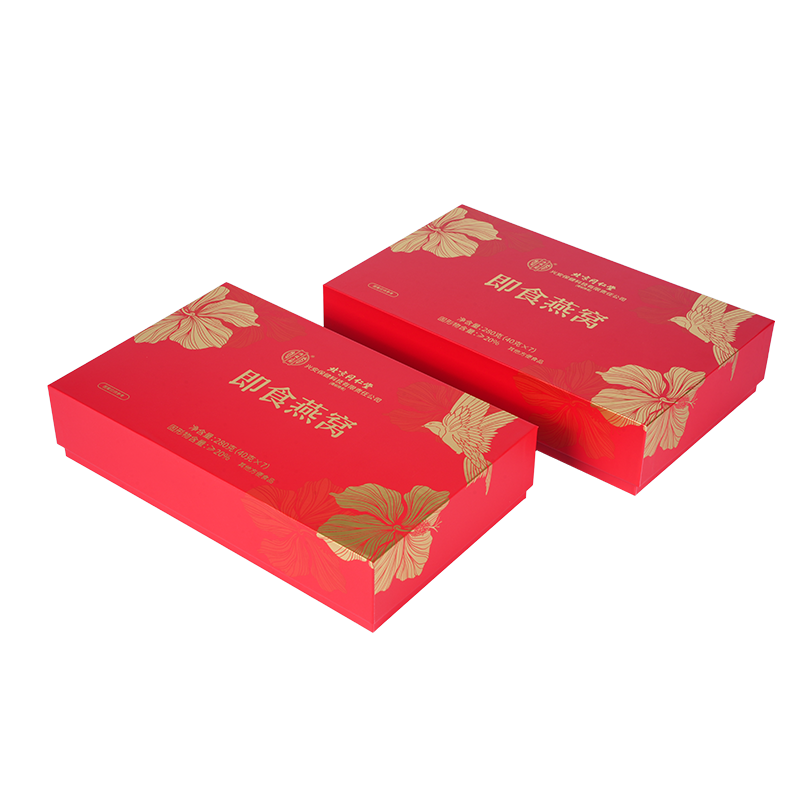
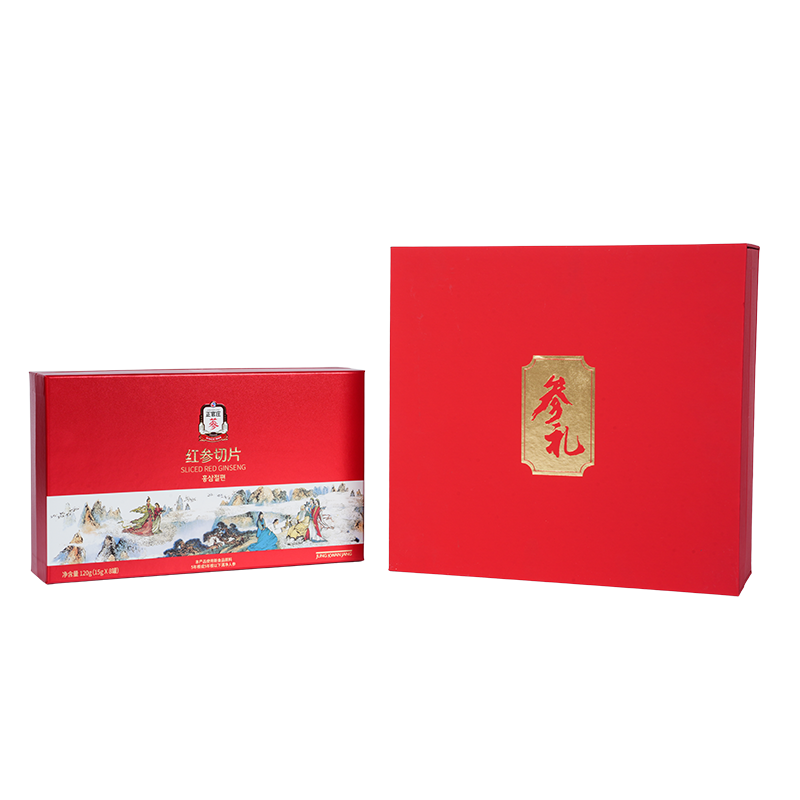
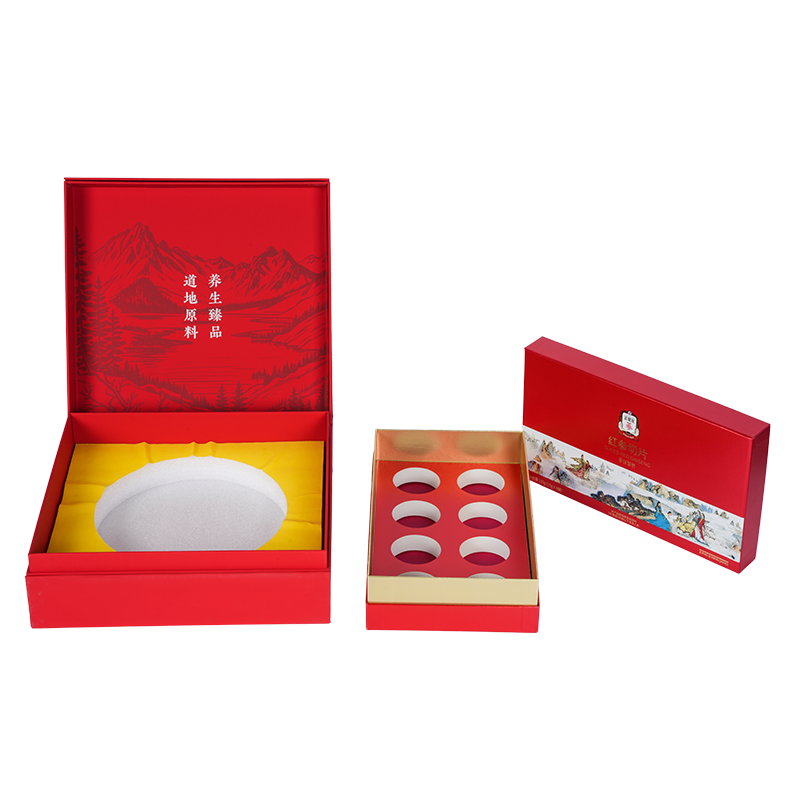
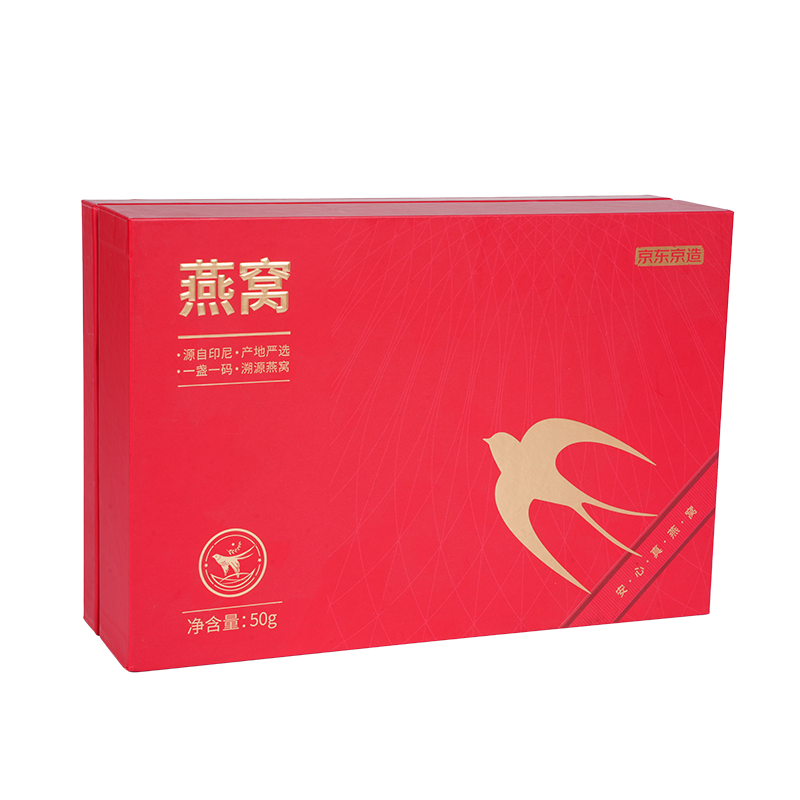
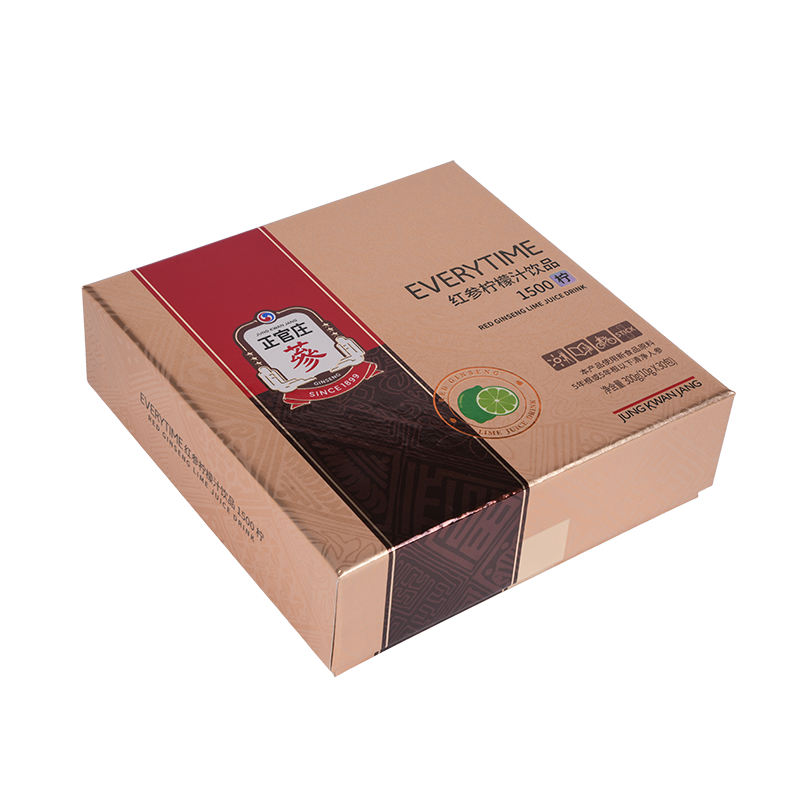
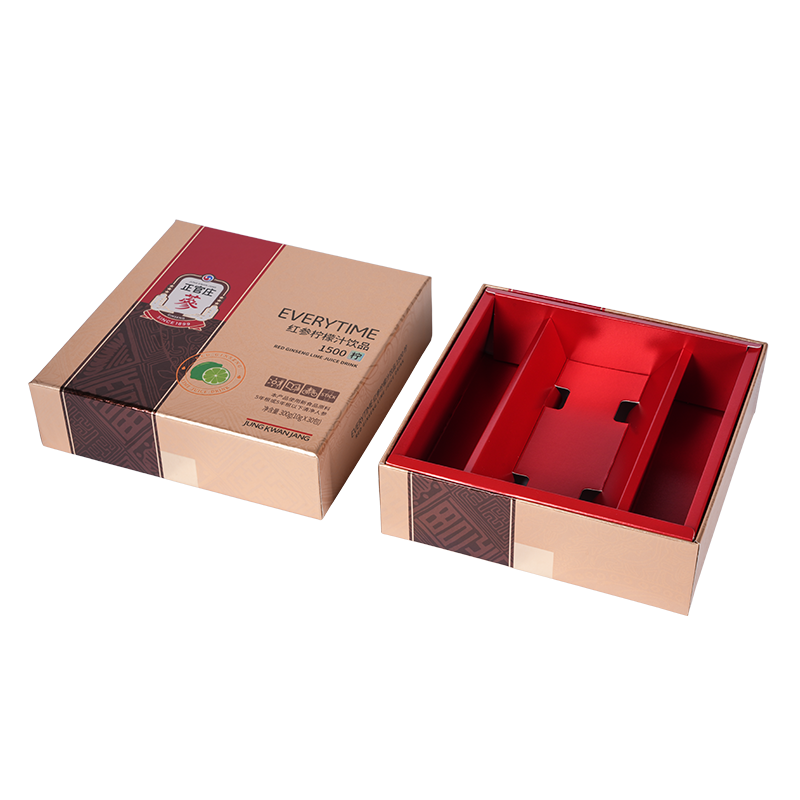
● The paperboard offers a warm, refined tactile feel; combined with specialty papers (e.g., Xuan paper, kraft paper, art paper) and finishing techniques such as hot foil stamping, embossing, and spot UV coating, it achieves a light-luxury, elegant aesthetic—well-matched to the high-end and wellness-oriented nature of health supplements.
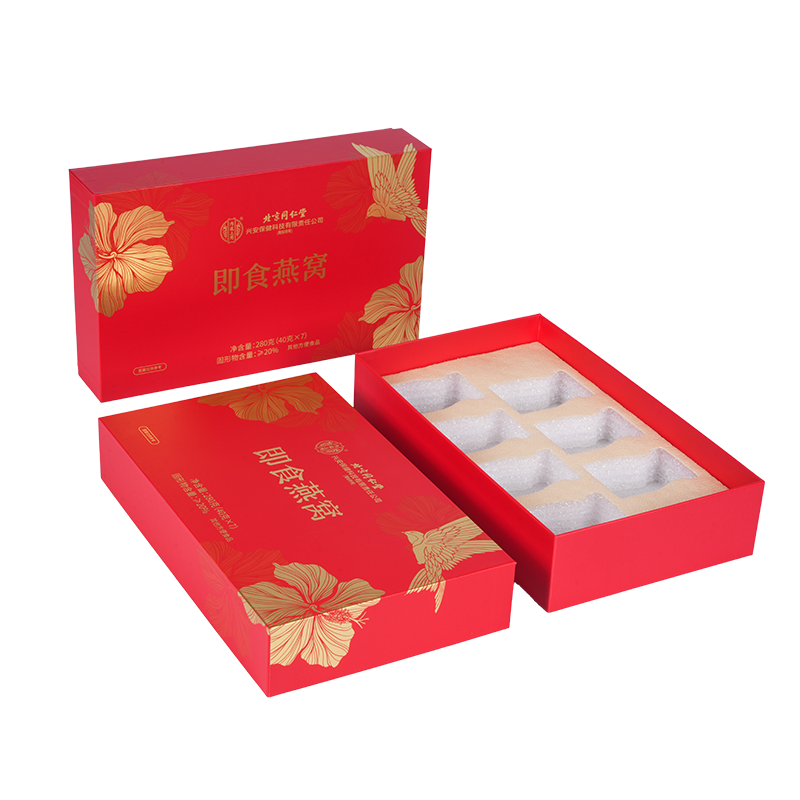
● Design is minimalist yet dignified: subtle patterns, brand logos, or traditional motifs (e.g., auspicious clouds, cranes) convey cultural depth, enhance perceived value, and differentiate the product from ordinary food packaging.
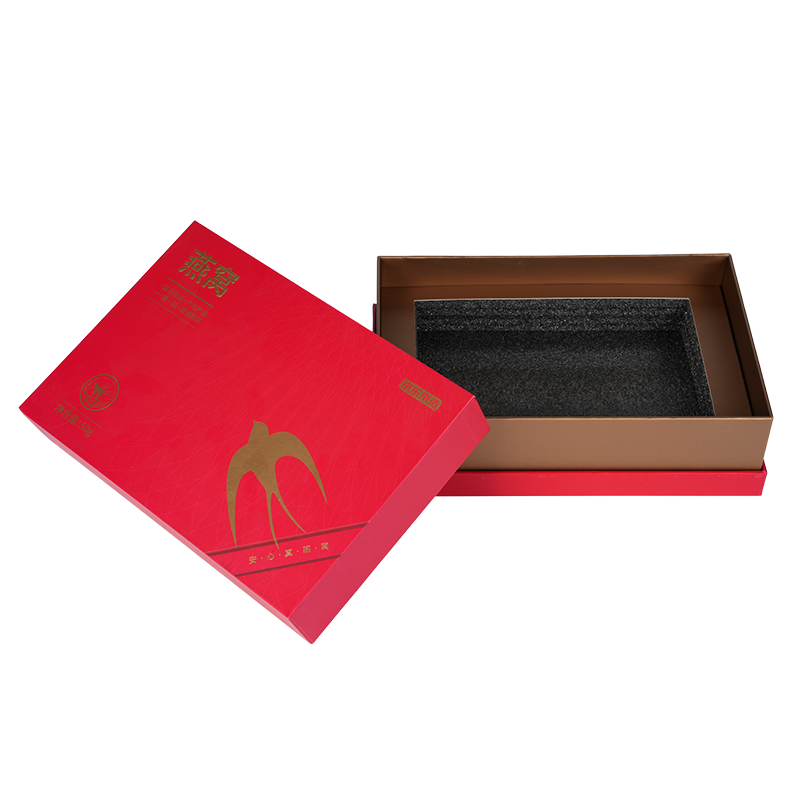
● Internally, multi-layer structures, individual inner trays, or satin/silk linings create an orderly and refined layout—elevating the unboxing ritual and reinforcing the product’s preciousness and consumer trust.
2. Freshness & Protection – Safeguarding Core Product Value
● Excellent sealing performance: can be integrated with foil lining or PE film for moisture-proof and oxygen-barrier functionality—effectively blocking air and humidity ingress to prevent mold, oxidation, or spoilage of sensitive supplements (e.g., cordyceps, bird’s nest, goji berries), thereby extending shelf life.
● Stable, crush-resistant structure buffers impacts during transport and handling, preserving the intact shape of delicate items (e.g., ginseng roots, fish maw), minimizing breakage and loss—especially suitable for brittle or structurally defined products.
● Optional light-blocking treatment shields light-sensitive supplements from UV/visible light exposure, preventing degradation of active ingredients and ensuring consistent efficacy and quality.
3. Scenario Adaptability – Covering Diverse Needs
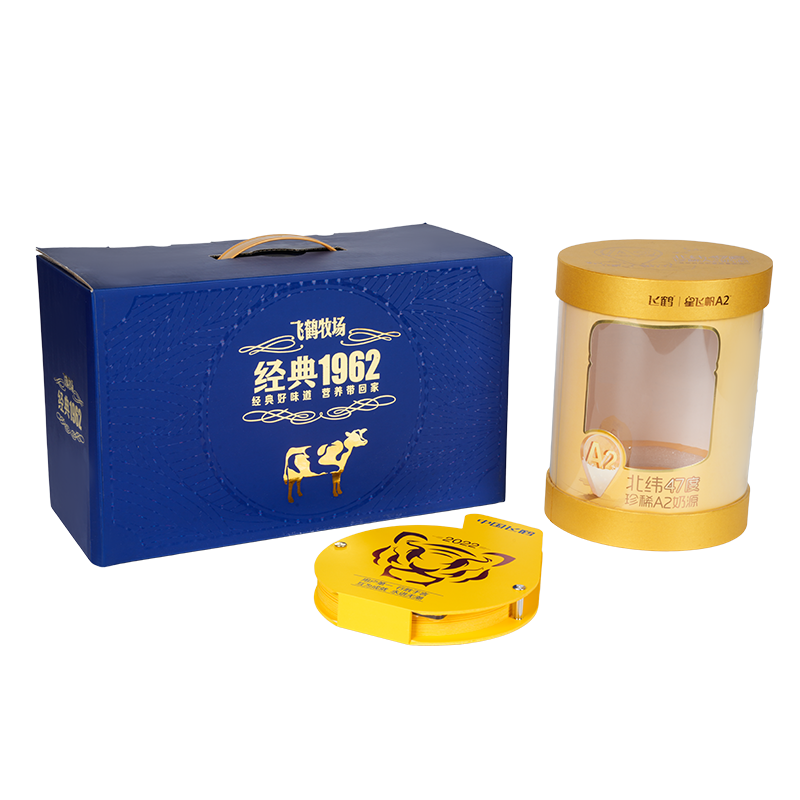
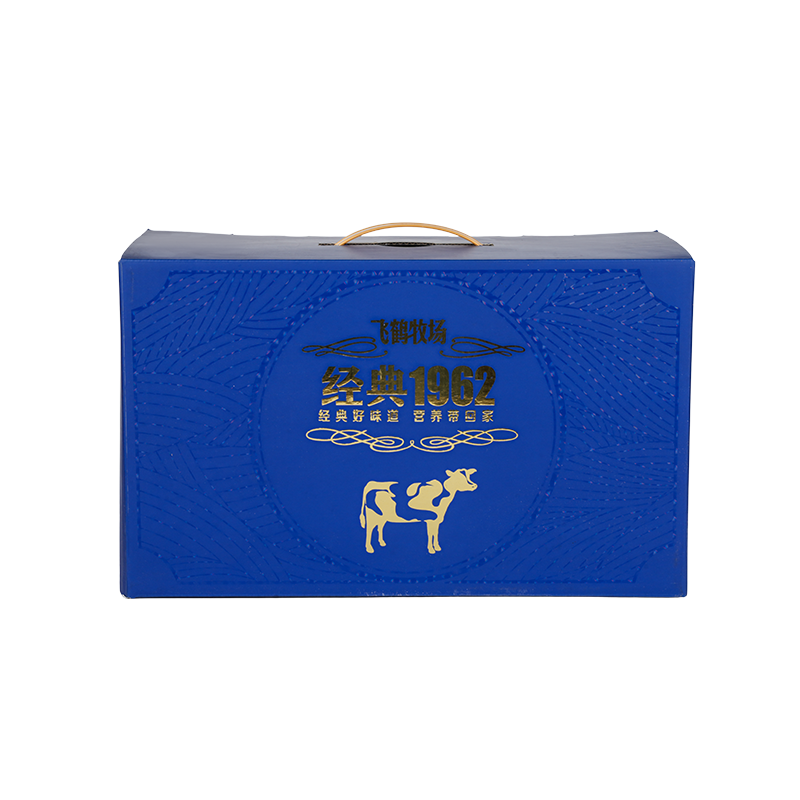
● Ideal for gifting: designed as gift sets with integrated handles, gift bags, or satin ribbons—requiring no secondary packaging to achieve a presentable appearance; well-suited for festival gifts, eldercare presents, or business exchanges.
● Adaptable for retail and storage: compact, portable versions support trial purchases in daily retail; larger-capacity formats with sealed lids and anti-moisture layers facilitate long-term household storage—enhancing user experience.
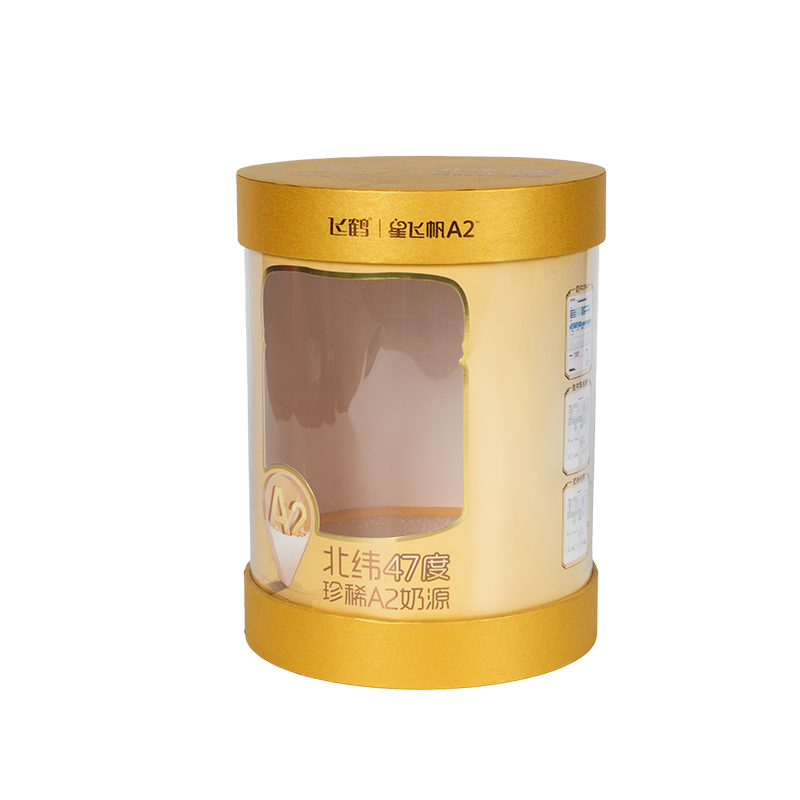
● Clear printing supports detailed display of traceability information, functional benefits, usage instructions, and expiration dates—meeting consumers’ demand for transparency and reinforcing purchase confidence.
4. Eco-Friendliness & Flexibility – Balancing Trends and Practicality
● Optional use of recycled or biodegradable paperboard, combined with water-based inks and plant-based adhesives, aligns with green consumption trends; fully recyclable and compostable—communicating the brand’s health and sustainability commitment.
● Highly customizable dimensions: accommodates various product types (dried goods, herbal slices, concentrated pastes) and capacities (single-serve, gift sets); supports single-box or multi-item configurations to meet diverse market demands.
● Empty boxes can be repurposed as storage containers (e.g., for portioned supplements or small accessories), extending lifecycle, improving consumer goodwill, and reinforcing brand recall.
Two quotes land on the same desk for a 20,000-unit skincare carton. The first uses virgin coated board, a PET window and film lamination at $0.42 per unit. The second uses 85% recycled kraft board, a...
Read MoreCore conclusion: For high-volume automated packaging lines, the crash lock bottom box (CLB) typically reduces total packaging cost by 15–25% compared to tuck-end or standard reverse-tuck cartons. It...
Read MoreA 15-barrel brewery moves its flagship from 22 oz bottles to 16 oz cans and assumes the packaging work ends when the artwork is approved. Three weeks later a distributor reports crushed corners on th...
Read MoreA bakery chain signs off on a windowed cake box in March. By the time 40,000 units reach the chilled aisle in July, the film window has fogged, the die-cut corners have cracked on two pallets, and th...
Read MoreA purchasing manager once compared two premium chocolate lines with nearly identical recipes and price points. The competitor's product consistently won in-store quality tests. The only meaningful di...
Read More