In the home textile packaging sector, cardboard boxes are not simply "storage containers," but rather a superior choice suited to the characteristics of home textiles: "soft and fragile, emphasizing texture, and requiring long-term storage." Their advantages deeply align with the diverse product categories (such as bedding sets, towels, and curtains), multiple consumption scenarios (home use, gifts), and long storage periods of home textile products, bringing multiple values to brands, users, and the market.
1. Comprehensive Protection: Safeguarding Home Textile Quality and Reducing the Risk of Loss
Moisture and Dust Protection, Extending Product Shelf Life: Most home textile cardboard boxes (such as laminated boxes and cardboard boxes) have moisture-proof coatings or airtight structures, effectively isolating moisture and dust from the air. Home textile products (such as pure cotton bedding and wool blankets) are prone to mold growth and odors if exposed to humid environments for extended periods. Cardboard boxes form a "protective barrier," preventing products from becoming damp and moldy. Simultaneously, the dust-proof properties prevent dust from adhering to the fabric surface, reducing the frequency of pre-use cleaning, especially suitable for towels, bath towels, and other home textile items that are "ready to use after opening."
Preventing Compression and Deformation, Ensuring Product Shape: Home textile products are mostly made of soft materials, which are easily deformed by compression during transportation or storage (such as damage to the loft of down comforters or difficulty in restoring wrinkles in curtains). Cardboard boxes or corrugated boxes, through structural design (such as double-layer cardboard and reinforced corners), possess excellent compression resistance and can withstand stacking pressure, preventing the internal home textile products from being squeezed and deformed. Furthermore, the interior of the box can be equipped with dividers and securing clips (such as independent compartments for pillowcases and sheets) to prevent multiple sets of products from rubbing against each other and tangling during transportation, ensuring that the products remain "flat and clean" when the user unpacks them.
2. Outstanding Display Effect: Highlighting the Texture of Home Textiles and Boosting Brand Premium
Texture Presentation Enhances Product Grade: The natural and warm texture of cardboard boxes (such as matte white cardboard or kraft paper) perfectly matches the "soft and comfortable" attributes of home textile products. For example, high-end home textile brands can use cardboard boxes with gold foil stamping to package four-piece bedding sets. The exquisite touch and metallic sheen of the cardboard box accentuate the delicate texture of the bedding fabrics (such as silk or long-staple cotton). Compared to transparent plastic bags, cardboard boxes prevent fabric fading caused by direct sunlight. The "non-transparent" design creates a sense of surprise upon opening, allowing users to more easily perceive the high-end attributes of the product when opening the packaging, thus helping the brand increase its premium pricing potential.
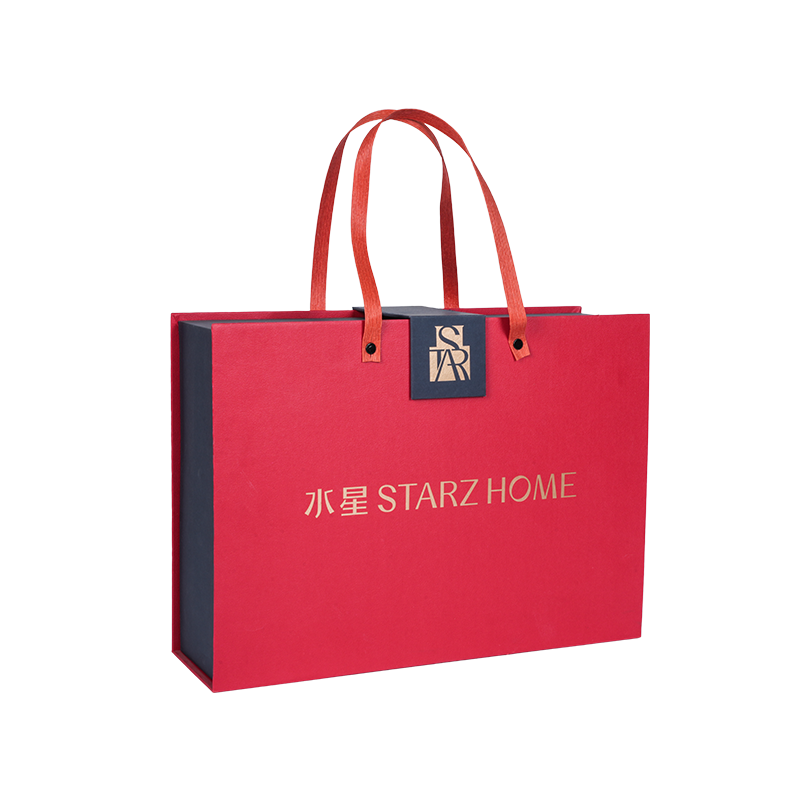
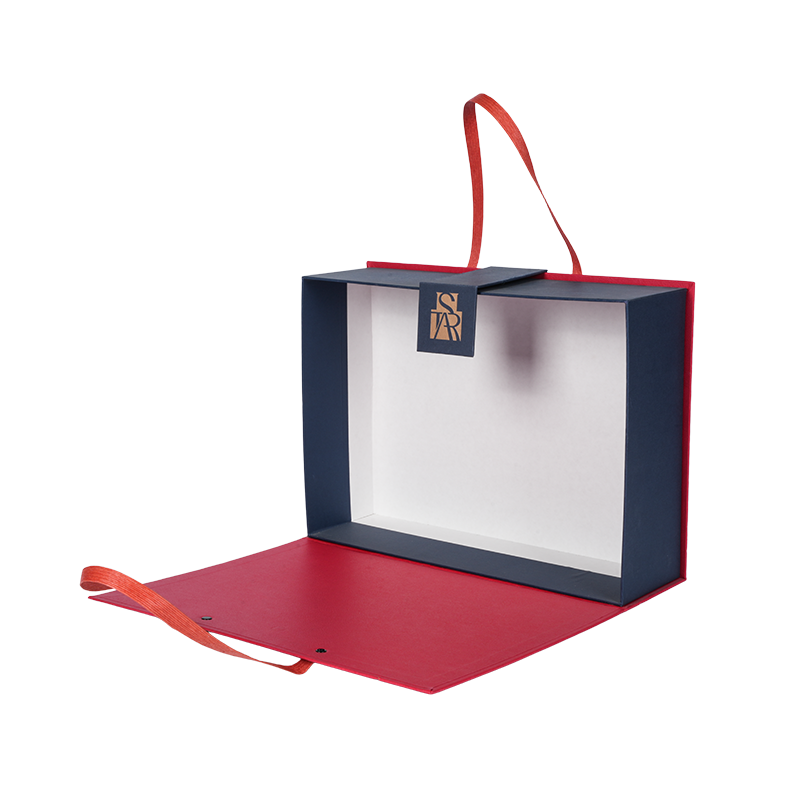
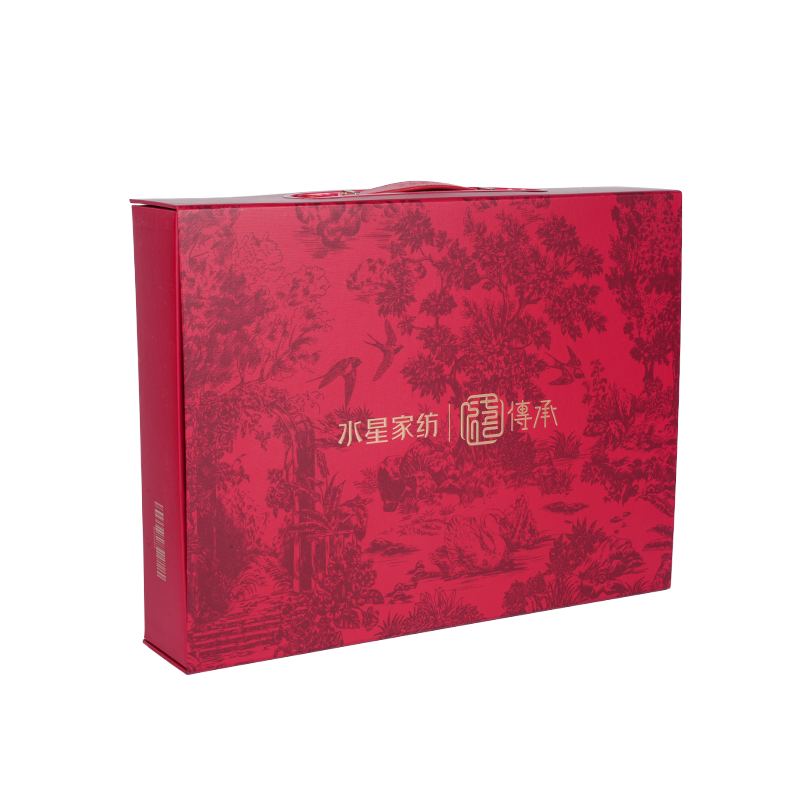
Highly versatile design, enhancing brand recognition: The smooth surface of the cardboard box accommodates various printing and processing techniques (such as UV printing, embossing, hot stamping, and ribbon/bow decorations), accurately showcasing the home textile brand's logo, product selling points (such as "antibacterial fabric" and "temperature-regulating technology"), and design style. For wedding home textiles, the box can use a red main color with gold foil patterns to match the "festive" theme; for children's home textiles, colorful cartoon patterns can be used to attract the attention of parents and children. Furthermore, the box can be designed with various opening methods such as drawer-style and flip-top, combined with window structures (such as partially transparent PVC windows), showcasing the colors and patterns of the home textile products inside while maintaining the overall aesthetic appeal of the packaging, helping the brand create a differentiated visual competitive advantage on the retail shelf.
3. Alignment with Environmental Attributes: Responding to Green Consumption and Shaping a Responsible Brand Image
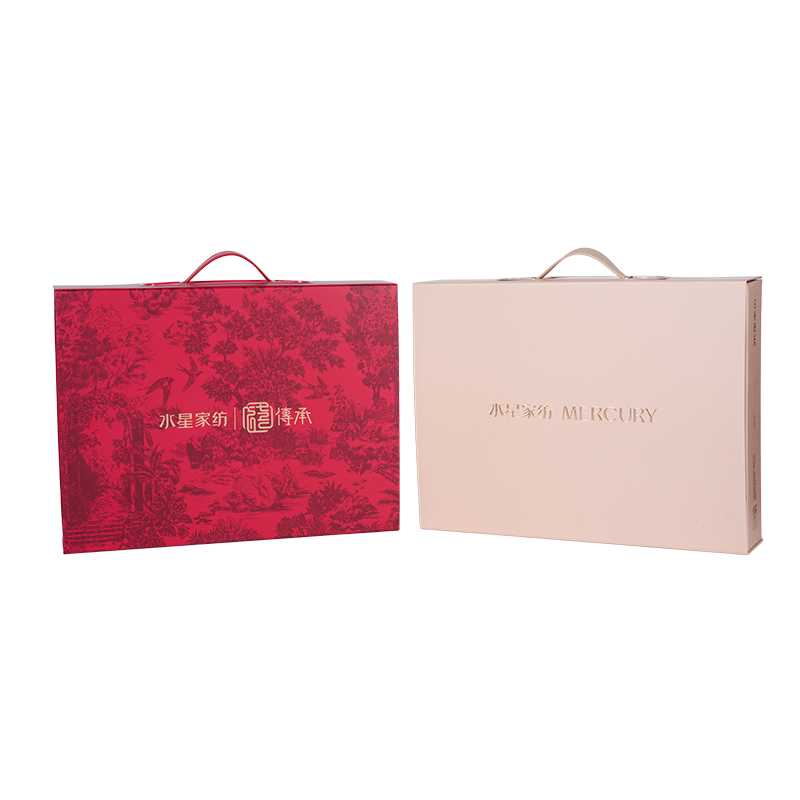
Recyclable and easily degradable, reducing environmental burden: Home textile paper boxes are mostly made of environmentally friendly materials such as recycled paper and virgin wood pulp paper. After disposal, they can be recycled and reused, and their natural degradation speed is fast, avoiding the problems of traditional plastic packaging being "difficult to degrade and polluting the environment." As consumers' environmental awareness increases, more and more users are paying attention to the "environmental friendliness throughout the entire life cycle" of home textile products. Using paper box packaging (such as MUJI's recycled paper home textile paper boxes and Mercury Home Textiles' recyclable paper box solution) can convey the brand's sense of environmental responsibility and attract groups that value green consumption (such as middle-class families and young parents). Surveys show that 68% of home textile consumers said they are "more willing to pay a small premium for products using environmentally friendly packaging."
Reduce harmful ingredients and protect user health: Standard home textile boxes use environmentally friendly inks and adhesives, free of formaldehyde, heavy metals, and other harmful chemicals. This prevents harmful substances in the packaging from seeping into the home textile fabric (especially for infant and toddler home textiles, personal towels, etc.), ensuring user safety. For families with children, "harmless ingredient-free" box packaging significantly reduces parents' concerns about "fabric pollution" and strengthens the brand's "healthy and safe" image.
4. Cost and Adaptability Advantages: Reduced End-to-End Expenses, Meeting Diverse Needs
Controllable Costs, Adapting to the "Low-Profit" Characteristics of the Home Textile Industry: Home textile products (such as basic towels and ordinary bedding) are mostly "high-frequency consumption, low-priced" categories. The raw materials for cardboard boxes (recycled paper and cardboard) have low acquisition costs, and the production process is mature. Under large-scale production, the unit cost is only 40%-60% of that of metal packaging and 20%-30% of that of solid wood packaging. This helps brands control packaging costs and aligns with the industry's "low-profit, high-volume" profit model. Simultaneously, cardboard boxes can be folded for storage, increasing warehouse space utilization by more than 50% compared to non-foldable plastic packaging boxes. This reduces brand warehousing rental and logistics costs (under the same transport capacity, foldable cardboard boxes can carry more items, reducing unit transportation costs).
Flexible adaptation to various home textile categories, reducing packaging waste: Home textile products vary greatly in size and shape (from small handkerchiefs to large double quilts), and cardboard boxes can be customized in size and structure according to product specifications (such as size and thickness). For small towels, compact square cardboard boxes can be designed; for four-piece bedding sets, rectangular flat boxes can be customized with compression storage structures (such as built-in compression bags to reduce box volume). Compared to fixed-size plastic packaging, customized cardboard boxes can achieve "precise packaging," avoiding material waste caused by "using large boxes for small purposes," while adapting to different scenarios such as "gift sets" and "daily sets" of home textile products (e.g., gift sets can use thicker cardboard boxes with ribbons, while daily sets can use simple thin cardboard boxes).
5. Enhanced User Experience: Improving Ease of Use and Strengthening Emotional Connection
Facilitating Storage and Reuse, Extending Packaging Value: Home textile products require long-term storage (such as seasonal bedding and spare towels). Cardboard boxes with "re-sealing" features (e.g., flip-top boxes with Velcro, drawer-style boxes with snap closures) allow users to reuse the boxes after opening, preventing fabrics from getting dusty or damp due to careless stacking. Furthermore, beautifully designed boxes (such as cardboard boxes with brand logos) can be reused as "storage boxes" (for storing underwear, socks, and small accessories) or as "gift wrapping" (for wrapping other small gifts), extending the packaging's value and allowing brand information to remain exposed through "reuse."
Enhancing the unpacking experience and strengthening emotional connection: The opening and closing mechanism of cardboard boxes (such as drawer-style or hinged lid-style) can create a "ceremonial" unpacking experience. For example, a flip-top cardboard box for wedding home textiles can gradually reveal the patterns of the bedding inside when opened, and the accompanying thank-you card can enhance the emotional experience for users (such as newlyweds). Compared to plastic bags that "tear apart easily," the "complete unpacking" process of cardboard boxes is more refined, allowing users to feel the brand's attention to "details" and strengthening their goodwill and loyalty to the brand.


 English
  日本語
日本語  Français
  Español
  عربى
عربى  italiano