Food Packaging as the First Line of Food Safety Food packaging has evolved from a simple containment solution into a critical control point in food safety management. As global supply chains grow long...
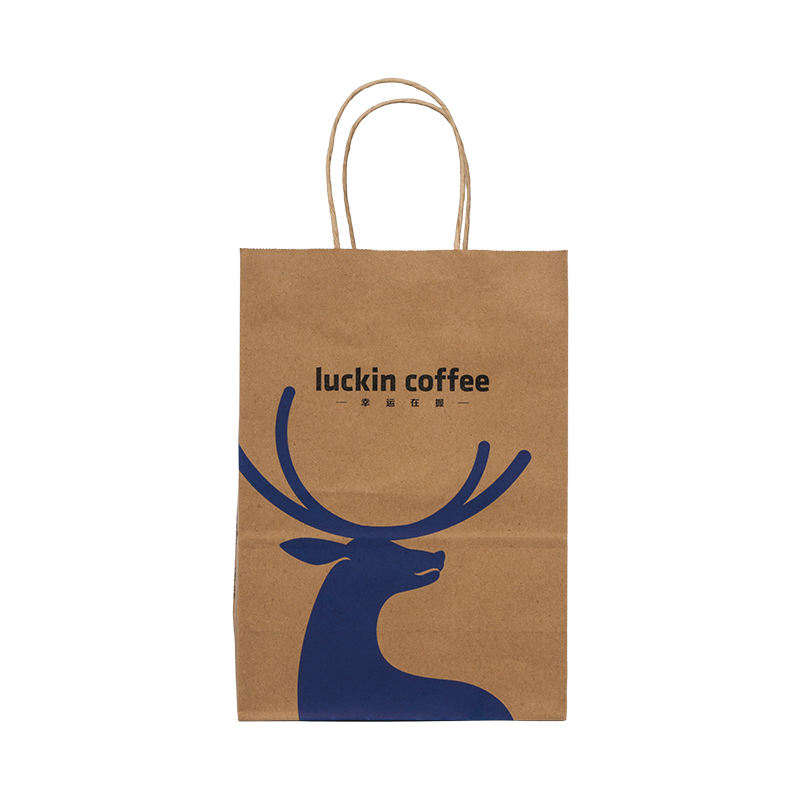
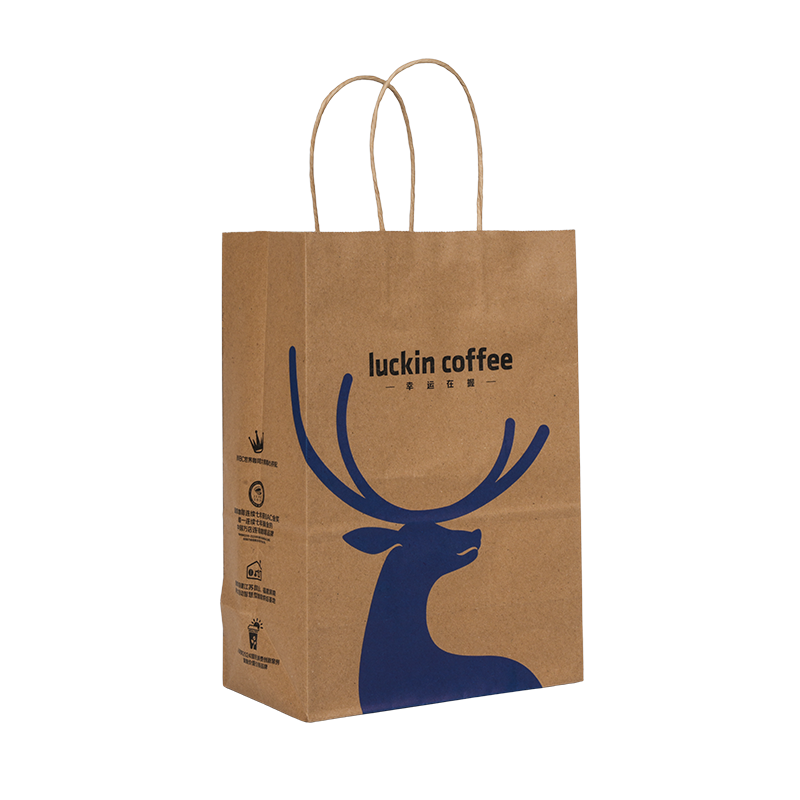
Read MoreThe core advantages of kraft paper eco-bags for tea beverage packaging are eco-friendliness and natural aesthetics, strong load-bearing and protection, and high cost-performance—making them a highly compatible choice for freshly prepared tea drinks and retail scenarios.
1. Eco-Friendly Attributes – Aligning with Green Consumption and Tea Values
● Made primarily from natural kraft paper—fully recyclable and biodegradable—imposing no environmental burden, compliant with green regulations and consumer demand for sustainable packaging.
● Minimal chemical additives during production: odorless and free of harmful leachables—highly consistent with tea’s “healthy and natural” product positioning, ensuring beverage safety.
● Reusable: consumers can repurpose the bag for shopping or storage—extending lifecycle, reducing single-use waste, and conveying the brand’s environmental responsibility.
2. Load-Bearing & Protection – Ensuring Safe Beverage Transport
● Inherently strong and tear-resistant, kraft paper offers excellent load capacity—easily carrying 1–4 cups of freshly prepared tea, or retail items like tea bags and mini tins—without handle breakage.
● Optional water-resistant lamination blocks beverage leakage and moisture ingress—keeping the bag clean while protecting inner packaging (e.g., paper cups, boxes) from dampness.
● Self-supporting structure resists deformation, secures beverage position, and cushions against minor impacts during delivery or carrying—reducing risks of spills and damage.
3. Aesthetic & Scenario Fit – Matching Tea’s Cultural Tone
● Kraft paper’s innate rustic, unrefined texture—without elaborate decoration—naturally evokes Zen and natural harmony, delivering minimalist yet elevated visual appeal suitable for diverse tea brands.
● Strong print adaptability: compatible with hot foil stamping and minimalist printing (e.g., brand logo, landscape motifs, brewing tips)—enhancing refinement while strengthening brand recognition and visual appeal.
● Versatile scenario coverage: single- or double-cup sizes suit takeaway or in-store carry of freshly prepared tea; larger-capacity versions pair well with tea gift sets or multi-pack assortments—meeting retail and light-gifting needs.
4. Practicality & Cost Efficiency – Balancing Experience and Value
● High portability: ergonomically designed handles support comfortable single-hand carrying or easy insertion into backpacks—ideal for commuting, strolling, or outdoor tea enjoyment.
● Compact storage: folds flat to a small size—space-saving for consumer daily use or merchant warehousing and transport.
● Affordable production cost: high batch efficiency keeps unit price lower than other eco-bag materials; combined with aesthetic and sustainability benefits, it offers far superior value over ordinary plastic or thin paper bags—suitable for both mass-market and mid-to-high-end tea brands.
Food Packaging as the First Line of Food Safety Food packaging has evolved from a simple containment solution into a critical control point in food safety management. As global supply chains grow long...
Read MoreUnderstanding Cosmetic Packaging and Its Role Cosmetic packaging is more than just a container for beauty products—it is a crucial part of product performance, branding, and user experience. It includ...
Read MoreThe Critical Role of Packaging in Protecting Chocolate Chocolate is one of the most delicate confectionery products, highly susceptible to breakage, melting, and deformation during transport. Chocolat...
Read MoreUnderstanding the Psychology Behind Candy Packaging Candy packaging is more than just a protective container—it is a powerful marketing tool that influences consumer perception and buying behavior. Th...
Read MoreWhy Space Efficiency Has Become a Core Issue in Home Textile Packaging In the home textile industry, logistics efficiency has moved from a secondary consideration to a core operational concern. Produc...
Read More