Food Packaging as the First Line of Food Safety Food packaging has evolved from a simple containment solution into a critical control point in food safety management. As global supply chains grow long...
Read More1. Freshness & Protection – Safeguarding Core Tea Quality
● Can be paired with moisture- and oxygen-barrier liners (e.g., aluminum foil, PE film) to block air and humidity ingress—preventing tea from dampness, mold, or oxidation, thus extending shelf life.
● Stable, crush-resistant structure buffers impacts during transport, protecting compressed tea cakes, tins, or tea bags from damage—avoiding broken leaves or powder leakage—especially suitable for fragile tea formats.
● Opaque paperboard blocks light exposure, reducing degradation of active compounds (e.g., tea polyphenols) and preserving aroma and flavor stability—meeting storage requirements for all tea types.
2. Quality & Cultural Resonance – Aligning with Tea Aesthetics
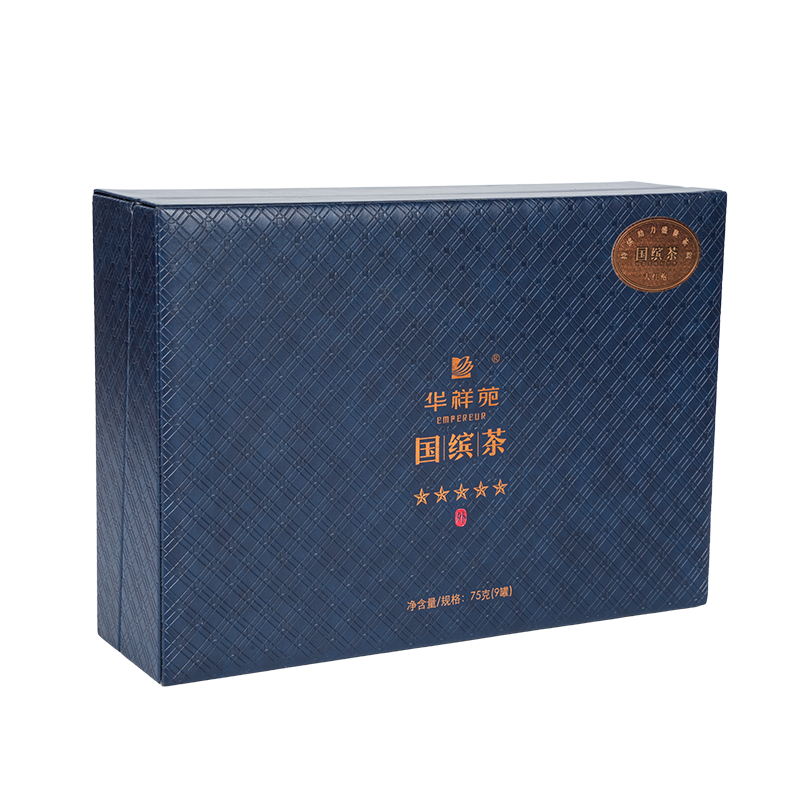
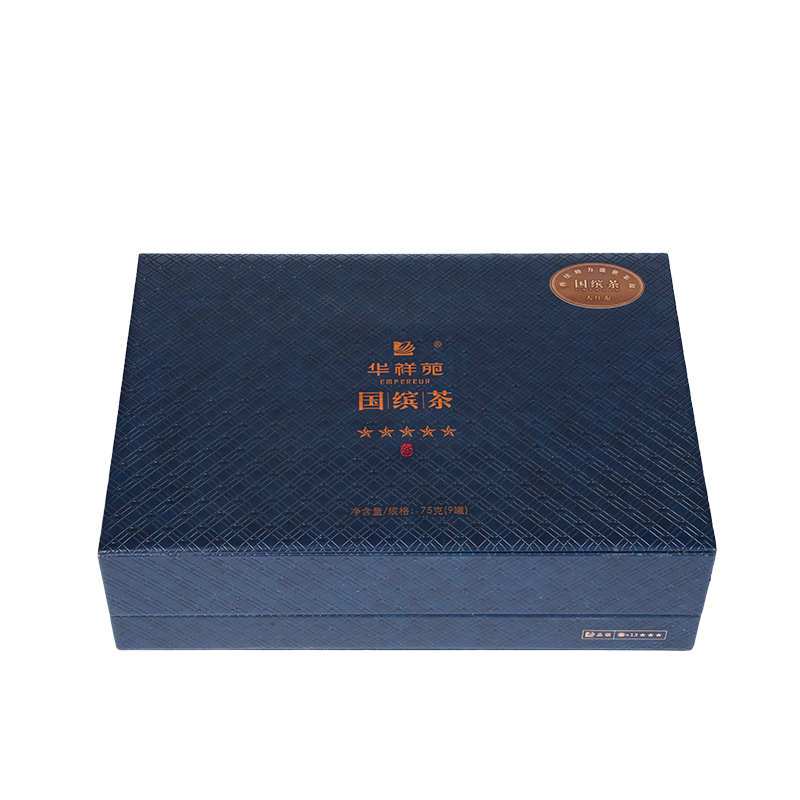
● Diverse material options: kraft paper or Xuan paper evoke a vintage, rustic feel; specialty papers combined with hot foil stamping and embossing convey premium refinement—well-matched to tea’s cultural identity.
● Flexible design supports printing of traditional motifs (e.g., auspicious clouds, landscape scenes), origin traceability, and brewing instructions—communicating product value while strengthening brand cultural recognition.
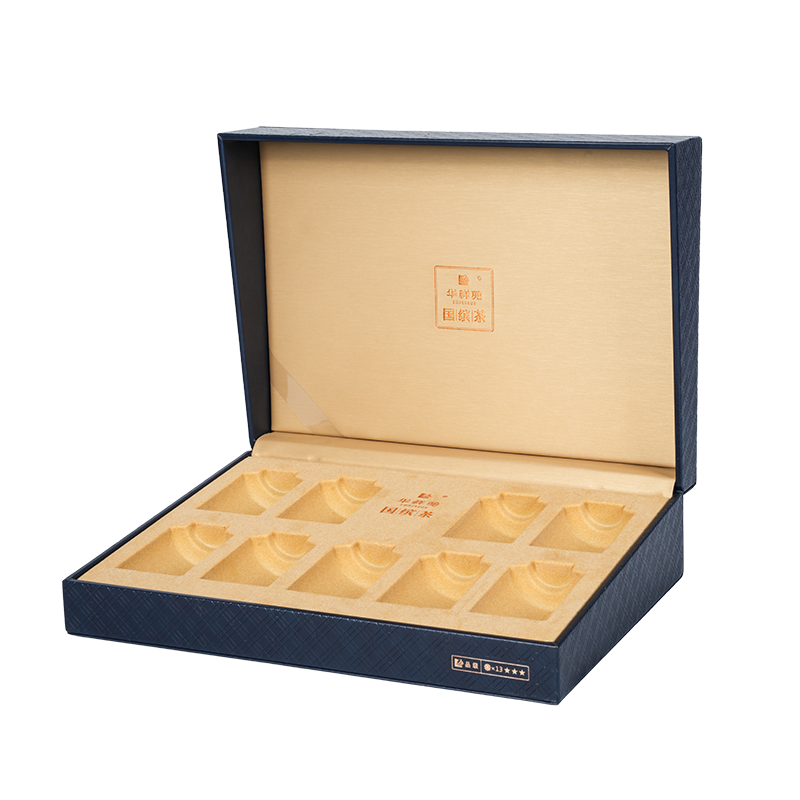
● Internal layouts may include multi-layers, individual inner trays, or silk/satin linings—delivering an orderly, elegant unboxing experience, enhancing ritual and perceived value.
3. Practical Adaptability – Covering Diverse Scenarios
● Highly customizable sizing: accommodates tea cakes, loose-leaf tea, tea bags, or tins—supporting single-box or multi-flavor assortments for daily retail and sampling needs.
● Gift versions integrate reinforced handles and matching gift bags—requiring no secondary packaging for festival gifting or business presents—elegant and convenient.
● Uniform box shape allows neat stacking for efficient merchant warehousing and store display; compact portable variants are space-saving for consumer carrying or home storage.
4. Eco-Friendliness & Cost Efficiency – Balancing Value and Trends
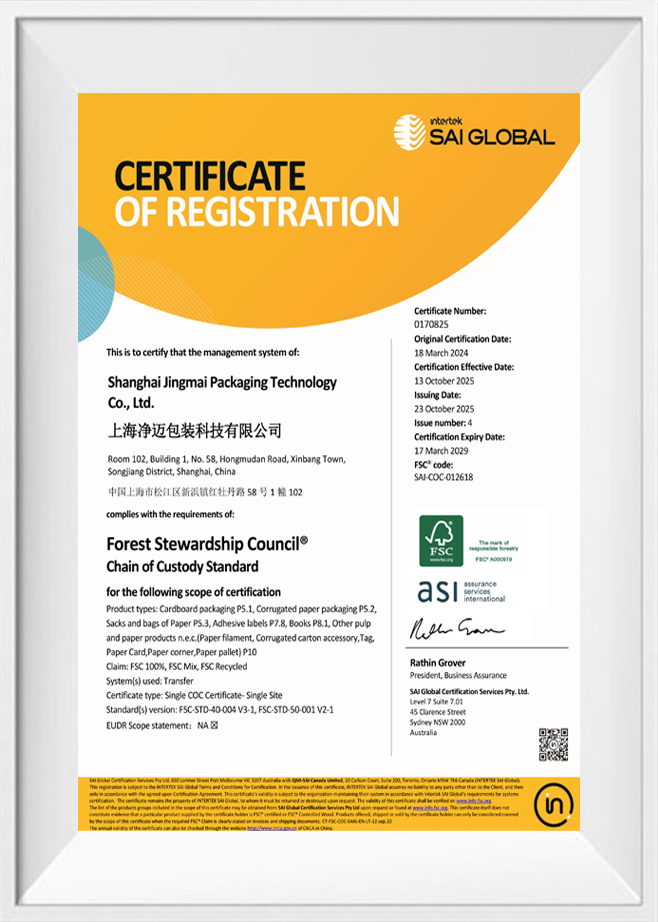
● Made from food-grade recycled or biodegradable paperboard, printed with water-based inks—fully recyclable and compostable—aligning with green consumption trends and conveying a health-conscious brand ethos.
● Controllable production cost: high batch efficiency keeps unit price lower than wood or metal packaging—suitable for tea products across mass-market to premium gift tiers.
● Empty boxes can be repurposed as storage containers (e.g., for portioned tea bags or tea accessory parts)—extending lifecycle, improving consumer goodwill, and reinforcing brand recall.
Food Packaging as the First Line of Food Safety Food packaging has evolved from a simple containment solution into a critical control point in food safety management. As global supply chains grow long...
Read MoreUnderstanding Cosmetic Packaging and Its Role Cosmetic packaging is more than just a container for beauty products—it is a crucial part of product performance, branding, and user experience. It includ...
Read MoreThe Critical Role of Packaging in Protecting Chocolate Chocolate is one of the most delicate confectionery products, highly susceptible to breakage, melting, and deformation during transport. Chocolat...
Read MoreUnderstanding the Psychology Behind Candy Packaging Candy packaging is more than just a protective container—it is a powerful marketing tool that influences consumer perception and buying behavior. Th...
Read MoreWhy Space Efficiency Has Become a Core Issue in Home Textile Packaging In the home textile industry, logistics efficiency has moved from a secondary consideration to a core operational concern. Produc...
Read More